Rebels with a Cause: The Rolling Stones' 'Street Fighting Man' and the Spirit of the 1960s
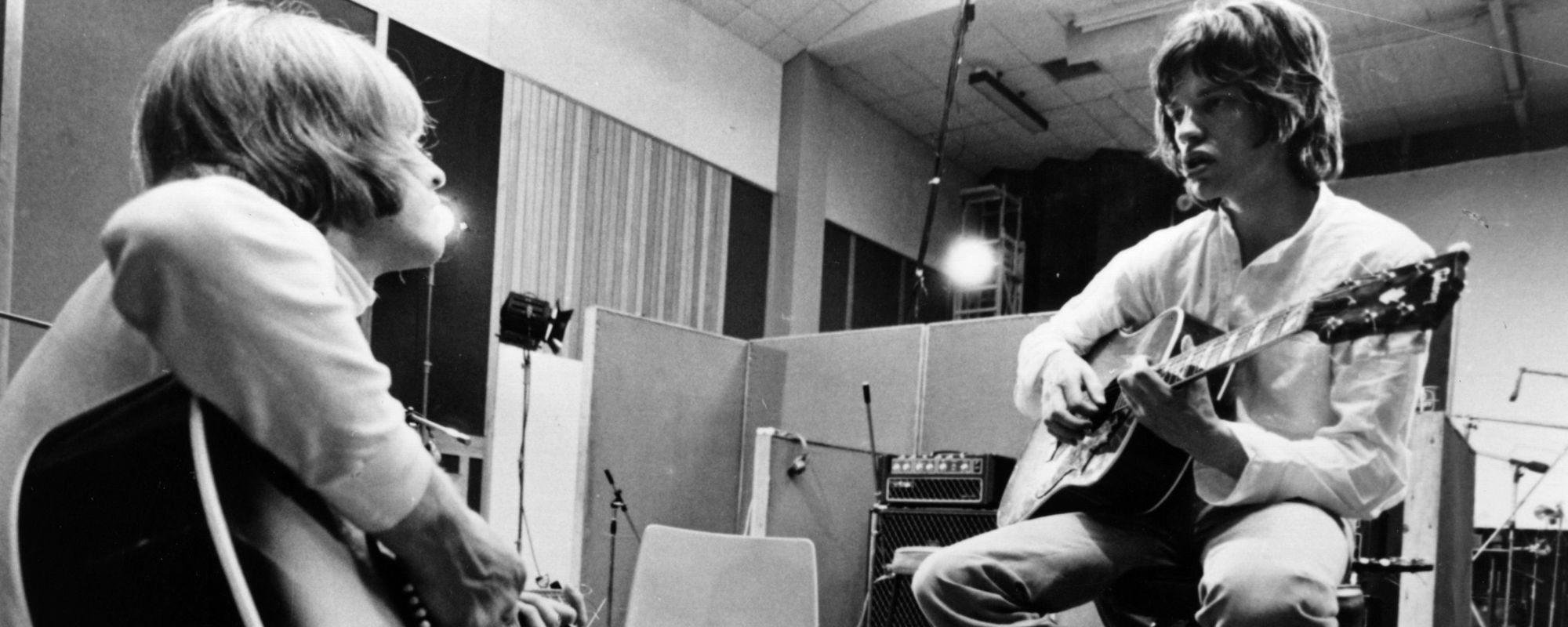
The 1960s saw a surge in anti-war sentiment, particularly during the Vietnam War. While protest songs were mainly associated with folk artists like Bob Dylan, the Rolling Stones took a political turn with their song "Street Fighting Man." Written by Mick Jagger and Keith Richards, the song was inspired by the turbulent events in Paris and London in 1968.
"Street Fighting Man" features bold lyrics that reflect the rebellious spirit of the era. Despite its powerful message, many radio stations were hesitant to play the song due to its perceived incitement to violence. This reluctance affected its chart performance, with the song barely making it into the Top 50 on the Billboard Hot 100.
Even though "Street Fighting Man" didn't achieve commercial success like their previous hits, it remains a defining moment for the Rolling Stones. Mick Jagger has admitted that his opinion of the song has changed over the years, while Keith Richards considers it one of his favorite tracks by the band. The song captures the essence of the Stones at their most defiant and unapologetic.
In retrospect, "Street Fighting Man" stands as a testament to the band's willingness to address social and political issues through their music. Despite the initial reception, the song has endured as a symbol of the turbulent times in which it was created, showcasing the Rolling Stones' ability to capture the spirit of a generation through their music.