Ending the Anti-Gay Chant: LGBTQ+ Activists Call for Change in Mexico City Soccer Stadiums
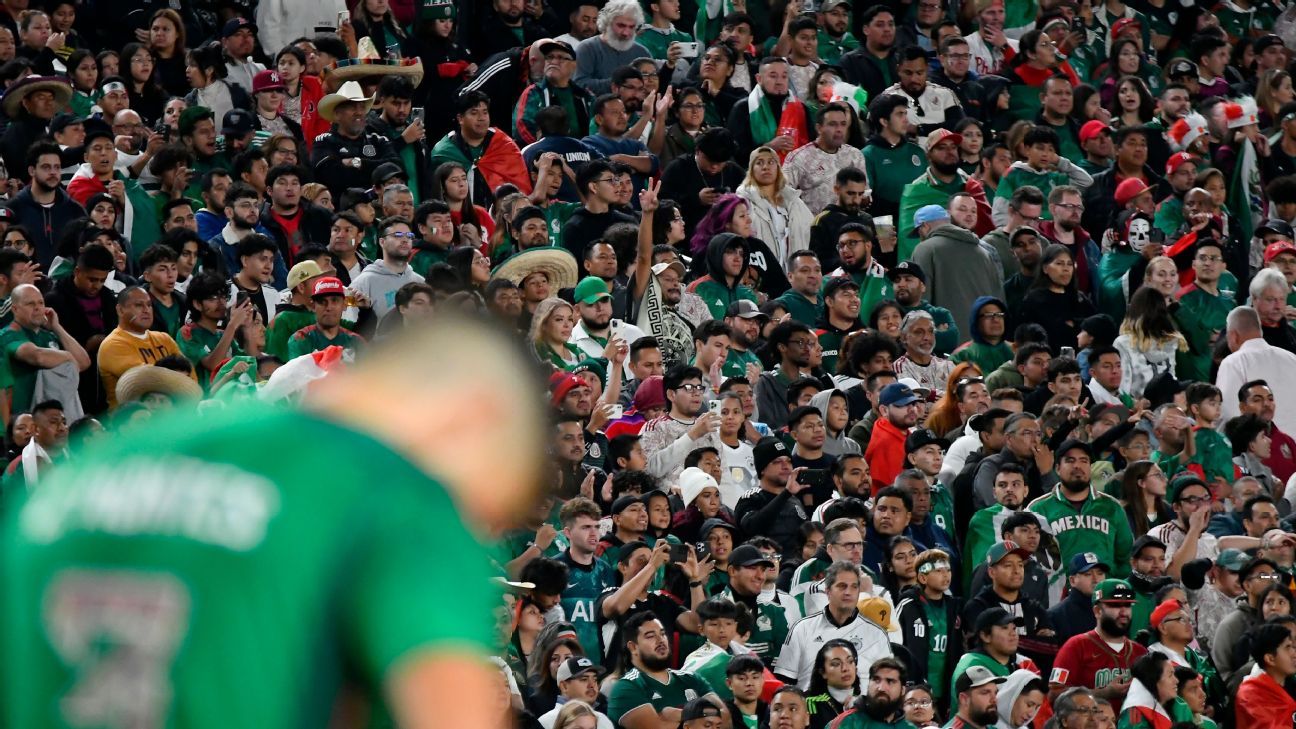
Mexico City is facing a challenge with an anti-gay chant that has been heard during national team matches. LGBTQ+ activists are urging local fans to stop the offensive habit before the upcoming World Cup. The chant, which is a derogatory term in Spanish, has been a persistent issue despite fines and efforts by the soccer federation to address it. The activists are concerned about the impact of this behavior on the LGBTQ+ community and are calling for a change in attitudes and actions.
The chant first gained attention during the 2014 World Cup in Brazil and has continued to be a problem, leading to fines for Mexico during the 2022 World Cup in Qatar. Despite these penalties, the chant has persisted, prompting activists like Andoni Bello to speak out against it. Bello, who has played for Mexico in LGBTQ+ soccer tournaments, believes that the normalization of this behavior contributes to homophobic hate crimes in the country. The lack of effective action by the federation has prompted activists to take matters into their own hands.
With the 2026 World Cup approaching, Mexico is set to host matches in three cities, including Guadalajara where the chant originated during a 2004 Olympic qualifier. The chant is often directed at the opposing goalkeeper during goal kicks and becomes more frequent when the Mexican team is losing. Despite attempts by the federation to address the issue through social campaigns and warnings to fans, the chant persists. Activists are now working with organizations to educate fans and promote inclusivity in stadiums.
The federation's initial response to the chant was to downplay its homophobic nature, but they have since shifted their approach to urging fans not to engage in the behavior. Threats of stadium bans for fans shouting the slur have not been enforced, leading activists to call for a more proactive stance against discrimination. By collaborating with non-profit organizations and government agencies, activists hope to create a more welcoming and respectful environment in stadiums. The upcoming World Cup presents an opportunity to promote positive change and challenge harmful attitudes towards the LGBTQ+ community.
In conclusion, the persistence of the anti-gay chant in Mexican soccer stadiums has prompted LGBTQ+ activists to take action and appeal to local fans to end the offensive behavior. Despite fines and warnings from the soccer federation, the chant continues to be a problem, highlighting the need for a more proactive approach to address discrimination. By working with organizations and government agencies, activists are striving to create a more inclusive and respectful environment in stadiums ahead of the upcoming World Cup.