Unlocking Performance: The Role of K1 and K2 Buttons in Modern F1 Cars
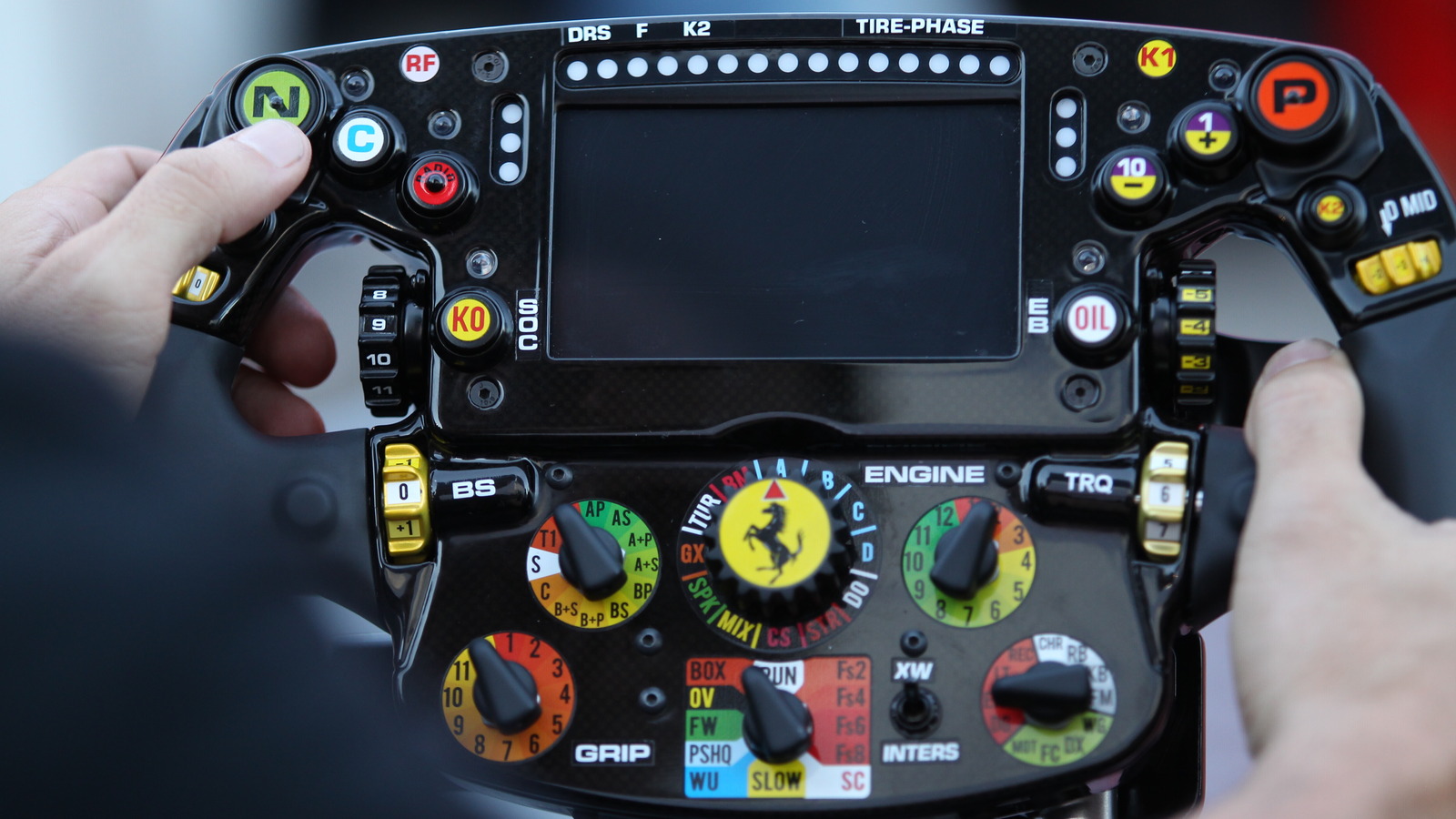
The steering wheel of a modern F1 car is a complex and expensive piece of equipment, filled with buttons, switches, dials, and flaps that play crucial roles during a race. F1 drivers must have a thorough understanding of each button's function and when to use it to maximize their performance on the track. Some buttons, like the PIT and DRINK buttons, have clear purposes, while others, such as the K1 and K2 buttons, require more explanation.
The K1 and K2 buttons are essential tools for F1 drivers, allowing them to deploy additional electrical energy from the car's hybrid system. The K1 button provides a quick burst of speed, ideal for attacking or defending against rivals during close battles on the track. On the other hand, the K2 button is used strategically at key moments in a race, such as the start, pit stops, and Safety Car restarts, when maximizing performance is crucial.
In addition to the K1 and K2 buttons, F1 drivers also have access to the DRS button on their steering wheel. The Drag Reduction System button opens up the rear wing, reducing drag and increasing top speed to aid in overtaking maneuvers. Unlike the K1 button, the DRS button can only be used on specific parts of the track when the driver is within one second of the car ahead.
While the K1 and K2 buttons provide extra power, they are not used continuously throughout the race due to the need for the hybrid system to recharge and the potential strain on the car's components. The team must carefully consider when to deploy these buttons to balance the performance benefits with the risk of engine wear and damage. Ultimately, the strategic use of these buttons can make a significant difference in a driver's race performance.