Delusional Beliefs and Legal Defense: The Case of Steven Bixby
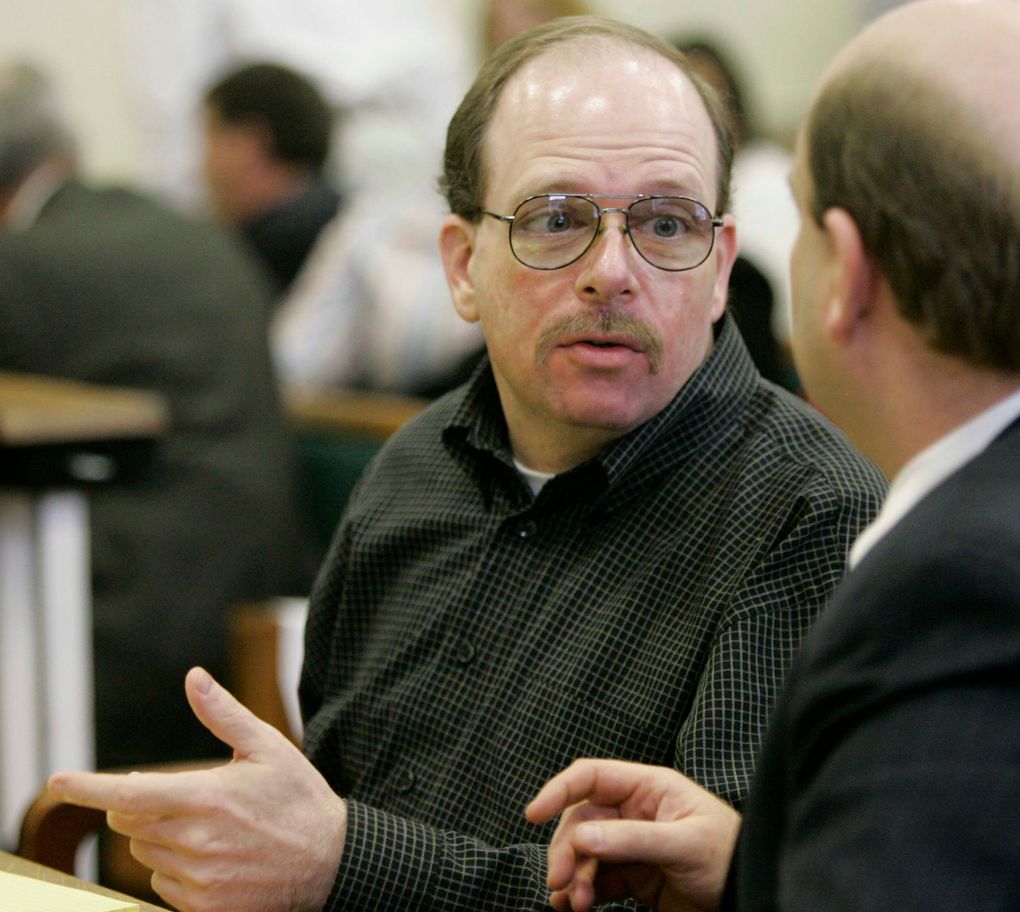
A judge in South Carolina is currently reviewing whether a prisoner's delusional beliefs about the legal system should prevent him from being executed. Steven Bixby, the inmate in question, has expressed his views through handwritten legal documents. The state Supreme Court halted Bixby's execution to assess if his defense attorneys are hindered by his beliefs, such as his belief that most laws are unconstitutional, citizens have the right to defend their property to the death, and judges ruling against him are influenced by Satan.
Bixby's case raises complex legal questions about the impact of delusional beliefs on a defendant's ability to receive a fair trial and effective legal representation. The court is tasked with determining whether Bixby's unconventional views on the legal system should be taken into account in his defense and potential sentencing. This case highlights the intersection of mental health issues and the criminal justice system, underscoring the need for a thorough examination of the defendant's mental state in legal proceedings.
The evaluation of Bixby's mental state and its implications for his legal defense is a critical aspect of the ongoing legal proceedings. The court must carefully consider the extent to which Bixby's delusional beliefs may affect his understanding of the legal process, his ability to participate in his defense, and his overall mental competency. This case underscores the importance of addressing mental health concerns within the criminal justice system and ensuring that defendants receive fair and just treatment under the law.
In conclusion, the case of Steven Bixby presents a complex legal challenge as the court grapples with the impact of his delusional beliefs on his ability to receive a fair trial and effective legal representation. The evaluation of Bixby's mental state is crucial in determining the appropriate course of action in his case, highlighting the need for a comprehensive examination of mental health issues within the criminal justice system. As the legal proceedings unfold, the court's decision will have far-reaching implications for the intersection of mental health and the law.