Navigating Global Anti-American Sentiment: Challenges and Strategies for U.S. Companies
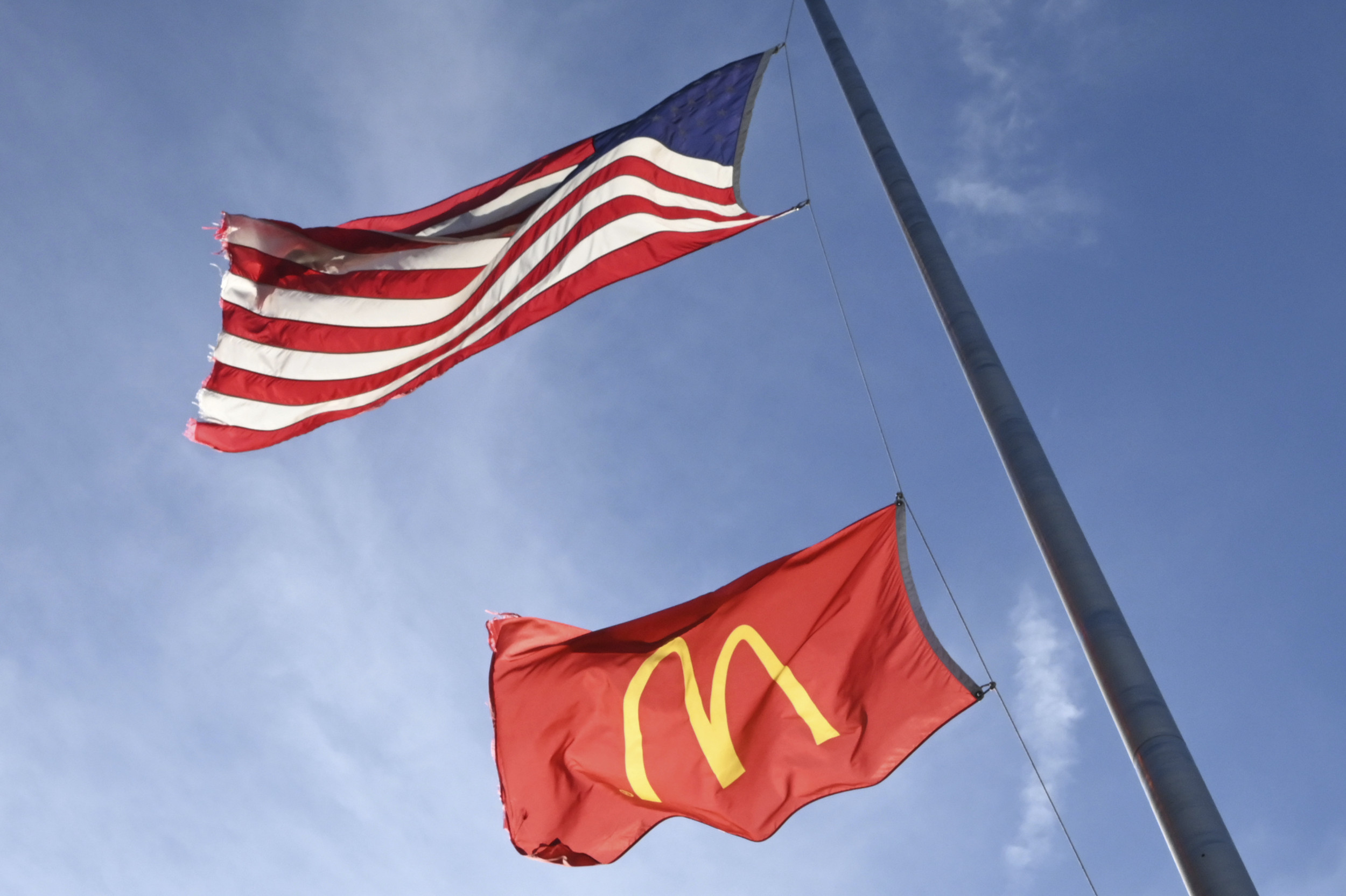
Growing anti-American sentiment due to President Donald Trump's tariffs is causing concern for many U.S. companies, potentially impacting their success overseas. The trade policies of the current administration have led to a rise in anti-Americanism globally, affecting consumer behavior and posing a significant risk to brands and the broader U.S. economy. Calls to boycott American products have gained traction in countries like Canada and India, leading to decreased tourism and sales of American goods.
Business intelligence firm Morning Consult reported a surge in global anti-American sentiment following Trump's tariff announcements, resulting in reduced purchasing consideration for U.S. companies abroad. Companies like Yum Brands and Beyond Meat are closely monitoring the situation, acknowledging the potential impact on consumer behavior and sales. McDonald's and Brown-Forman have also noted an increase in anti-American sentiment but have not seen a significant change in their brand perception or sales.
Levi's and other companies have listed rising anti-Americanism as a risk factor, highlighting the possibility of consumers shifting away from U.S. products and brands. Marketing experts warn that brands associated with Americanness, such as denim, whiskey, and tech, are particularly vulnerable to substitution with local or European alternatives during periods of heightened anti-U.S. sentiment. The ongoing trade dispute between Canada and the U.S. has already led to a decline in sales for companies like Jack Daniel's.
Experts suggest that brands heavily reliant on their American identity may need to reconsider their marketing strategies to adapt to changing consumer sentiments. The impact of rising anti-Americanism on American brands varies, with some brands facing nontrivial consequences. Companies like Suntory Holdings are exploring investment opportunities in other countries due to the current tariff situation, which has dampened foreign interest in the U.S. The recent ruling by a federal appeals court deeming most of Trump's tariffs illegal adds another layer of uncertainty for U.S. companies operating in the global market.