Uncovering the Controversial Origins of 'Layla': Rita Coolidge's Untold Story
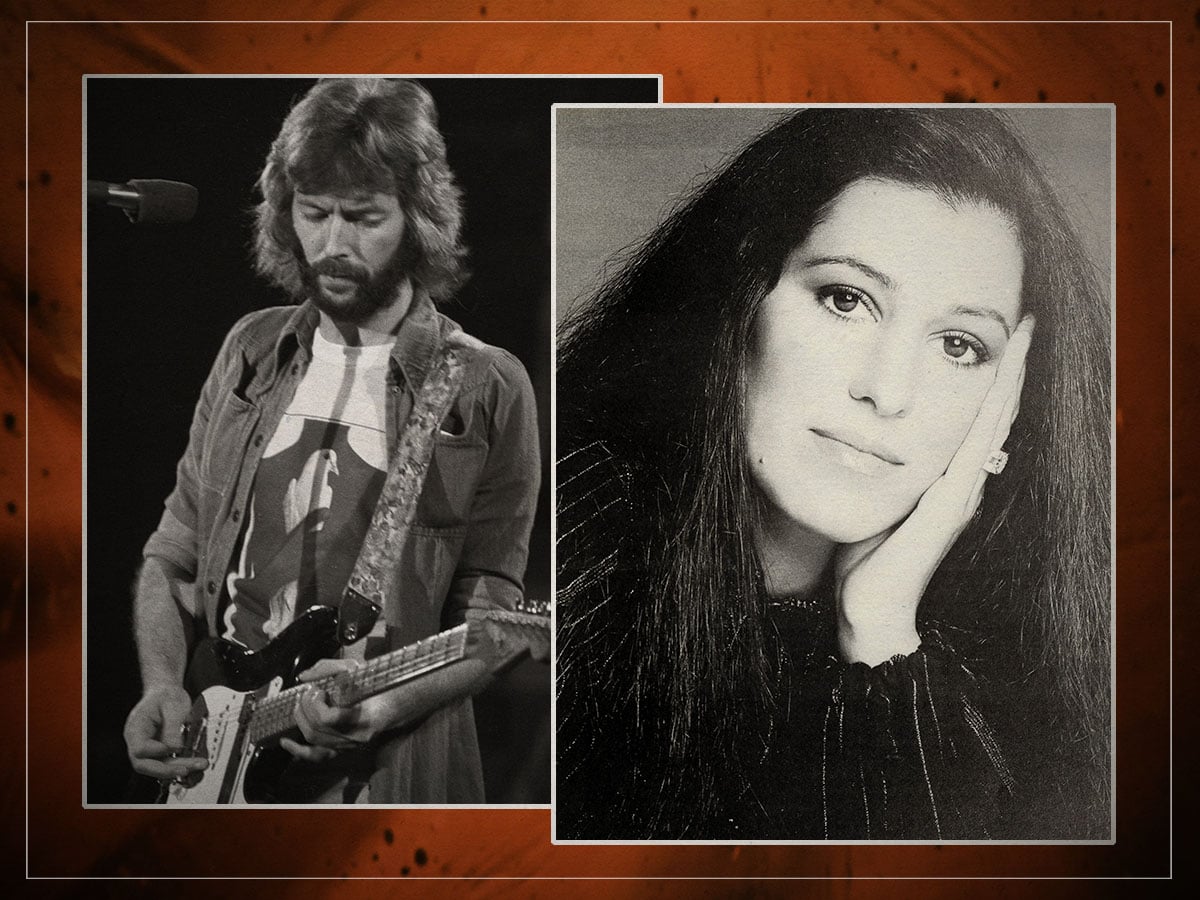
One of the most iconic songs in rock history is "Layla" by Derek and the Dominos, which solidified Eric Clapton's status as a guitar legend. However, the story behind the creation of the song is not as straightforward as it seems. Rita Coolidge, a talented pop musician, claimed that the song was based on a composition she and her boyfriend, Jim Gordon, had written called "Time (Don't Get in Our Way)" a year before "Layla" was released.
Coolidge recalled playing their song for Clapton in England, hoping he would cover it. However, when she heard "Layla," she was shocked to find similarities between the two songs. Despite her efforts to seek credit for her contribution, she was dismissed by Clapton's management, who told her, "You're a girl singer." This injustice left Coolidge feeling infuriated and betrayed.
Bobby Whitlock, the late keyboardist of Derek and the Dominos, later confirmed Coolidge's claims, stating that Gordon had taken the melody from her song without giving her credit. Gordon's actions not only deprived Coolidge of recognition but also led to a tragic turn of events in his own life, as he was imprisoned for murdering his mother during a psychotic episode in 1983.
The story of "Layla" and the controversy surrounding its creation highlight the challenges faced by female artists in the music industry. Despite the potential for legal action to address the issue, Coolidge's quest for acknowledgment was thwarted by sexism and misogyny. This unfortunate situation underscores the complexities of music industry dynamics and the importance of recognizing and respecting artists' contributions.
In conclusion, the legacy of "Layla" is tainted by the unresolved dispute over its origins, shedding light on the power dynamics and injustices prevalent in the music world. Rita Coolidge's experience serves as a reminder of the obstacles faced by women in the industry and the need for equitable treatment and recognition of their creative work.