Fan Ownership Revolutionizing French Football Clubs: A New Era of Community Engagement
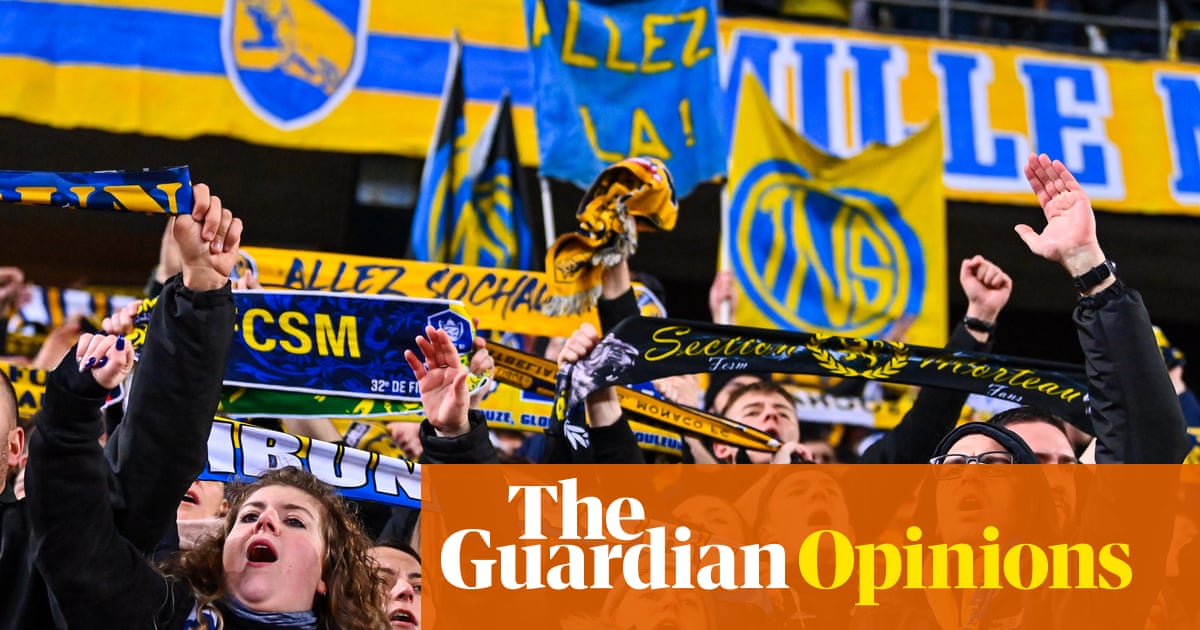
France is home to a multitude of not-for-profit associations covering a wide range of interests and needs within local communities. Surprisingly, organized football has been an exception to this trend, with club ownership traditionally held by private individuals, local authorities, and businesses. However, a recent development has seen fan groups in France organizing themselves as socios to purchase shares of their clubs, marking a shift towards member-owned clubs similar to those in other European countries.
While the concept of fan ownership is still in its early stages in French football, a growing number of clubs are embracing this model. En Avant Guingamp, Sochaux-Montbéliard, Bastia, and Rouen are among the clubs that have welcomed fan ownership, with thousands of supporters becoming paid-up members of their shareholding groups. Other clubs like Nîmes Olympique, Nancy Lorraine, Ajaccio, Metz, and Girondins de Bordeaux are also considering allowing supporters to take a stake in the ownership of their clubs.
The move towards fan ownership comes at a critical time for many historic clubs in France, as financial difficulties threaten their existence. Fan-led initiatives have played a crucial role in saving clubs like Bastia and Sochaux from liquidation, highlighting the importance of community involvement in preserving the heritage and identity of these teams. By giving fans a voice in the decision-making process and a stake in the future of their clubs, these initiatives are reshaping the landscape of French football.
The rise of fan ownership in French football reflects a broader trend towards collective enterprise and community engagement. By reconnecting fans with their clubs and fostering a sense of solidarity within fractured societies, these initiatives offer a glimmer of hope in an industry plagued by financial instability and external influences. The growing number of socios in France signals a shift towards a more sustainable and inclusive model of club ownership, driven by a shared passion for the game and a commitment to preserving its traditions.