British Horse Racing Industry in Crisis: Historic Strike Protests Proposed Tax Increases
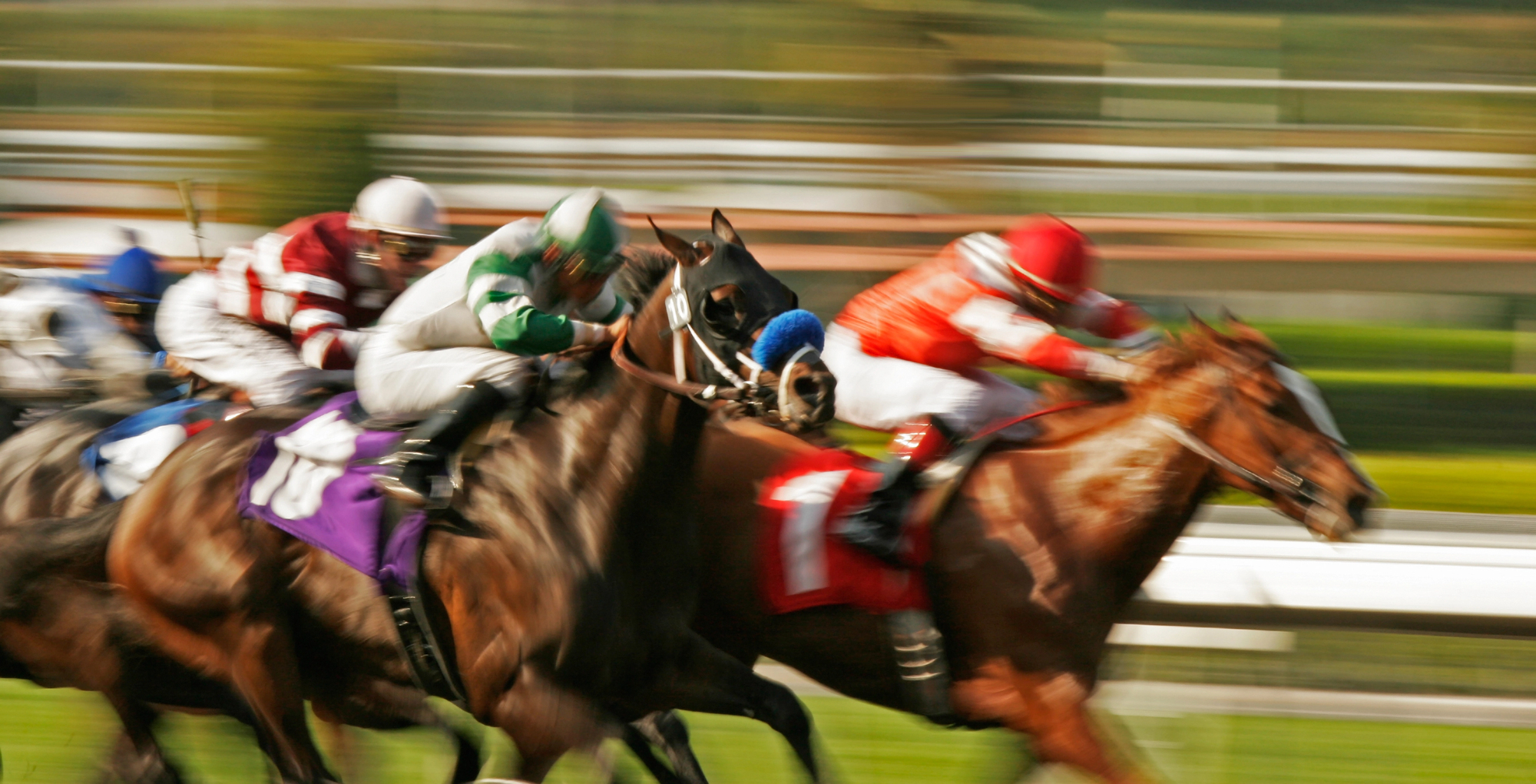
British horse racing is experiencing a historic strike today due to concerns over potential tax increases on race betting. The British Horseracing Authority (BHA) has organized the strike to protest against the proposed tax hikes, which could have a devastating impact on an industry that employs over 110,000 people and contributes significantly to the British economy. As a result, fixtures at several racecourses, including Carlisle, Kempton Park, Lingfield Park, and Uttoxeter, will be suspended for the day.
The horse racing industry is facing an existential crisis as it grapples with the possibility of increased taxes on betting. Currently, horse racing is subject to three types of basic betting tax, including iGaming’s Remote Gaming Duty of 21 percent, General Betting Duty, and Pool Betting Duty, both at 15 percent each. With the UK government facing a substantial budget deficit, there are concerns that Chancellor Rachel Reeves may introduce across-the-board tax hikes on horse racing gambling in the upcoming Autumn Budget.
The controversy surrounding taxation in UK horse racing has led to tensions within the industry and raised questions about its association with the broader gambling sector. Betting on horse racing has long been considered a socially acceptable form of gambling, with popular events like the Grand National and the Cheltenham Gold Cup attracting widespread participation. However, the uncertainty surrounding potential tax increases has fueled concerns about the industry's future and its impact on key stakeholders, including racehorse owners, trainers, and jockeys.
The looming threat of tax rises has prompted industry leaders, such as Jim Mullen, Chief Executive of The Jockey Club, to warn of the irreparable damage that could be caused to one of the nation's most popular spectator sports. The cancellation of racing fixtures and the planned protest outside the Houses of Parliament in London are part of the industry's efforts to raise awareness about the potential consequences of increased betting taxes. The ongoing 'AxeTheRacingTax' campaign aims to urge the government to reconsider its tax policies and safeguard the future of British horse racing.
In conclusion, the unprecedented strike in British horse racing highlights the industry's concerns about proposed tax increases on race betting. The potential impact of these tax hikes on the industry's workforce, economy, and overall health has sparked widespread protests and calls for government intervention. As stakeholders unite to defend the future of horse racing in the UK, the outcome of this dispute will have far-reaching implications for the sport and its longstanding traditions.