Exploring the Enduring Legacy of Beverly Cleary's Henry Huggins: A Beloved Character for Generations
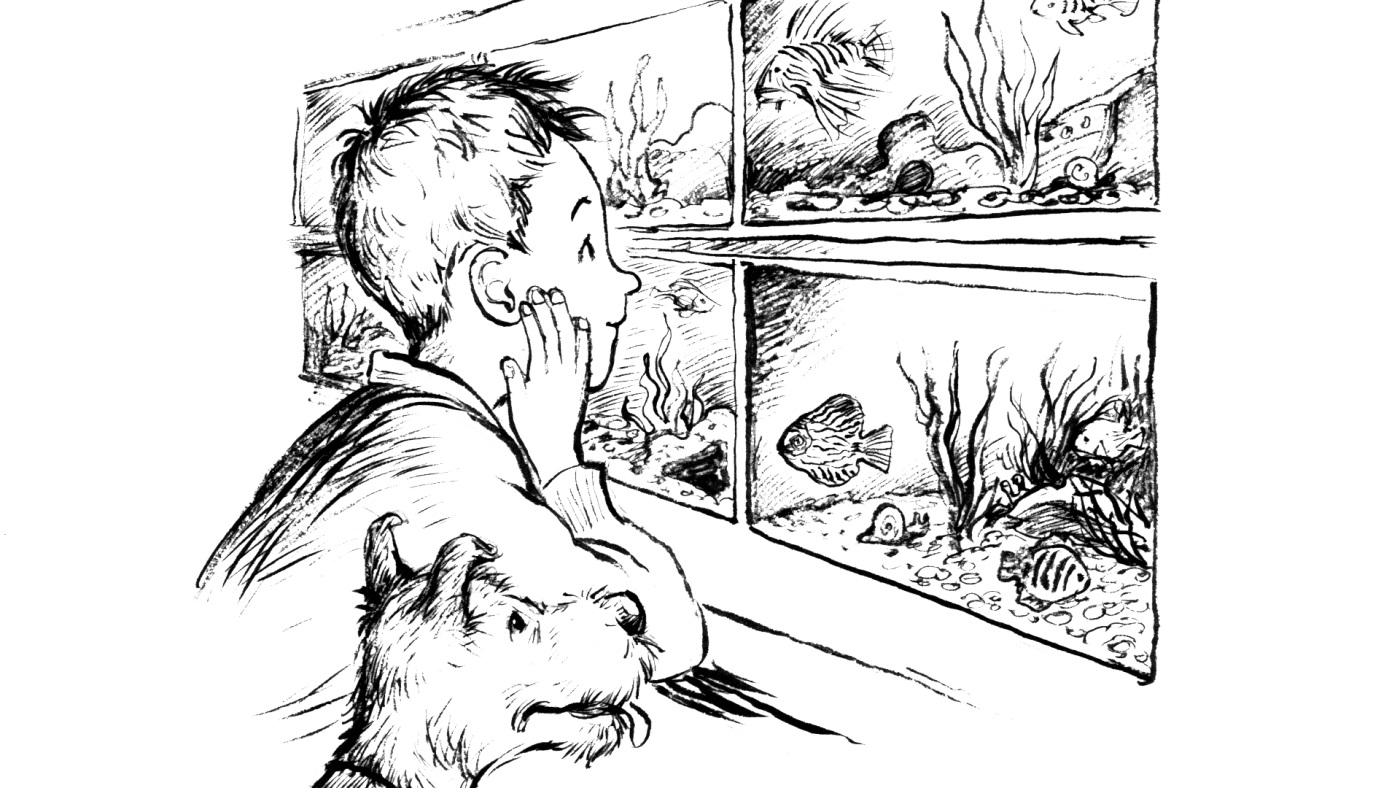
Beverly Cleary introduced the character of Henry Huggins in 1950 as a relatable third grader with a scruffy appearance and a penchant for adventure. Henry's encounter with a stray dog named Ribsy kickstarts a series of fun-filled escapades that captivate readers. Unlike traditional heroes, Henry's everyday experiences, like managing his allowance and exploring local stores, resonate with young audiences, making him a beloved character for generations.
Readers like Joe Bonomo and Michael Dirda found a connection with Henry's character, drawn to his ordinary yet endearing qualities. The heartwarming tale of Henry and Ribsy's bond, culminating in a touching contest to determine the dog's owner, evokes a moral dilemma that challenges readers to consider complex emotions and decisions. Cleary's storytelling skillfully navigates themes of friendship, loyalty, and self-discovery, leaving a lasting impact on readers of all ages.
While Cleary's portrayal of middle-class childhood experiences has been praised for its authenticity, some aspects of her work have faced criticism for perpetuating stereotypes. Instances where Henry pretends to be an American Indian raise concerns about cultural misrepresentation. Educators and parents are encouraged to address these problematic elements as teachable moments, fostering discussions about diversity, inclusion, and the importance of accurate representation in literature.
Despite these criticisms, Cleary's enduring legacy as a beloved children's author remains strong. Her creation of iconic characters like Henry Huggins and Ramona Quimby has captured the hearts of millions of readers worldwide. Through her timeless stories, Cleary continues to inspire young minds and spark conversations about empathy, understanding, and the power of storytelling.