College Basketball Players Banned for Sports Betting: NCAA's Response and Future Regulations
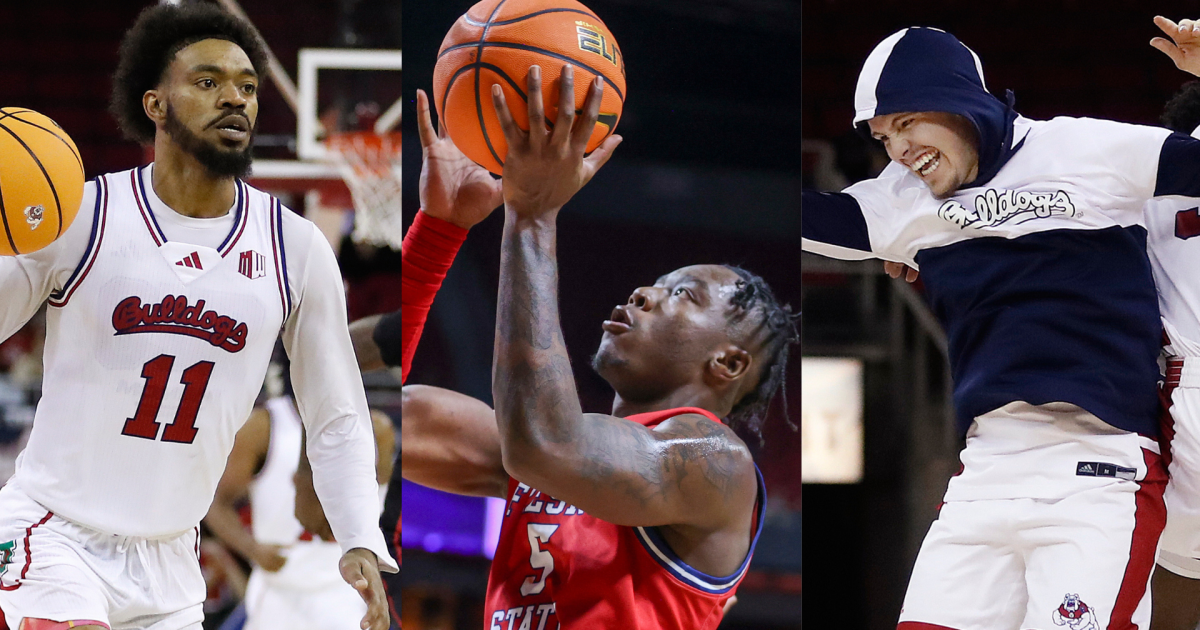
The NCAA recently announced the permanent ban of three men's college basketball players for engaging in sports betting activities related to their own games at Fresno State and San Jose State. The players, Mykell Robinson, Steven Vasquez, and Jalen Weaver, were found to have placed bets on each other's games and manipulated their performances to ensure certain bets were successful. The NCAA's investigation was triggered by a sports integrity monitoring service flagging suspicious prop bets on Robinson, leading to a thorough examination of the players' actions.
Robinson and Vasquez, who were former roommates at Fresno State, communicated about underperforming in games and placing bets on each other's performances. Robinson also placed bets on Weaver, his teammate at Fresno State, during the 2024-25 season. The NCAA highlighted a specific game where Robinson had multiple bets on his performance, indicating a clear attempt to influence the outcome for financial gain. The investigation revealed a series of bets and financial transactions between the players, ultimately resulting in their permanent ban from NCAA competition.
Despite the players' actions, neither Fresno State nor San Jose State faced sanctions from the NCAA. Fresno State cooperated with the investigation and shared information about the sports wagering activity, leading to a Level III/Secondary violation with no institutional sanctions. San Jose State acknowledged the decision and confirmed Vasquez's removal from the roster several months prior. The incident underscores the ongoing challenges posed by sports betting in college athletics and the need for continued vigilance to protect the integrity of the games.
The NCAA's enforcement staff has seen a significant increase in sports betting-related cases in recent years, prompting a reevaluation of enforcement strategies and rules. The organization is considering a proposal that would allow athletes and staff members to bet on professional sports while maintaining strict prohibitions on betting on NCAA competitions. The proposed changes aim to address concerns about game integrity and ensure compliance with evolving regulations in the sports betting landscape. As college sports continue to navigate the complexities of sports betting, the NCAA remains committed to upholding the highest standards of integrity and fair play in collegiate athletics.