Navigating the Future: Horse Racing Industry's Concerns Over Proposed Gambling Tax Changes
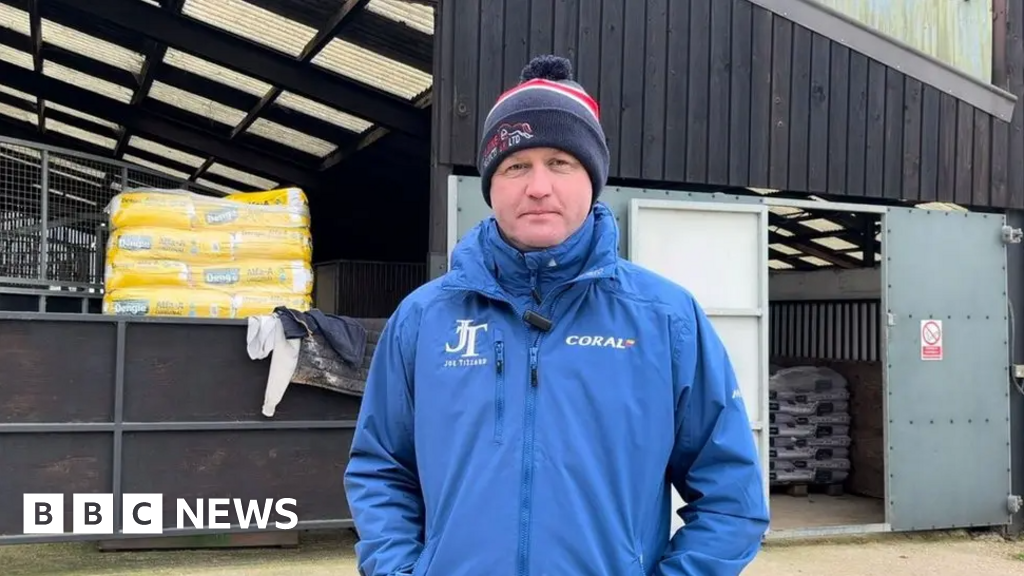
Proposed changes to gambling taxes have raised concerns among horse racing trainers, with fears that the sport may struggle to cope with the potential increase in tax on online bets from 15% to 21%. Somerset-based trainer Joe Tizzard expressed his worries about the impact these changes could have on the industry, emphasizing the potential loss of income and job losses that could result. The British Horse Racing Authority estimates that the increase in taxes could cost the industry £66m annually.
Tizzard highlighted the collective impact on various stakeholders in the industry, including racecourses, trainers, owners, and employees, emphasizing the need to protect the sport from further financial strain. The industry-wide strike on 10 September aimed to draw attention to the potential consequences of the proposed tax changes and urge decision-makers to reconsider their plans.
Liberal Democrat MP Sarah Dyke echoed concerns about the broader implications of the tax changes, noting that businesses beyond the horse racing industry, such as blacksmiths and cafes in Somerset, could also be affected. She emphasized the importance of the racing industry in supporting rural jobs and contributing to the local economy, particularly in areas like Wincanton Racecourse.
In response to the concerns raised, Exchequer Secretary to the Treasury, Dan Tomlinson, clarified that there have been no announcements regarding an increase in tax on horserace betting. He emphasized the government's recognition of the cultural significance of horseracing and the sector's unique government-mandated levy. Tomlinson reassured that the wider gambling consultation aims to streamline the system and ensure fairness, with ongoing collaboration with the industry to assess potential impacts.
The proposed changes to gambling taxes have sparked apprehension within the horse racing industry, with stakeholders expressing concerns about the potential financial implications and job losses. The industry's collective efforts to raise awareness and seek reconsideration of the tax changes reflect a shared commitment to safeguarding the future of horseracing in the UK. As discussions continue between industry representatives and policymakers, the focus remains on finding a balanced approach that supports the sustainability of the sport while addressing regulatory challenges.