Decoding the Pit Lane Start: Strategies and Rules in Formula 1 Racing
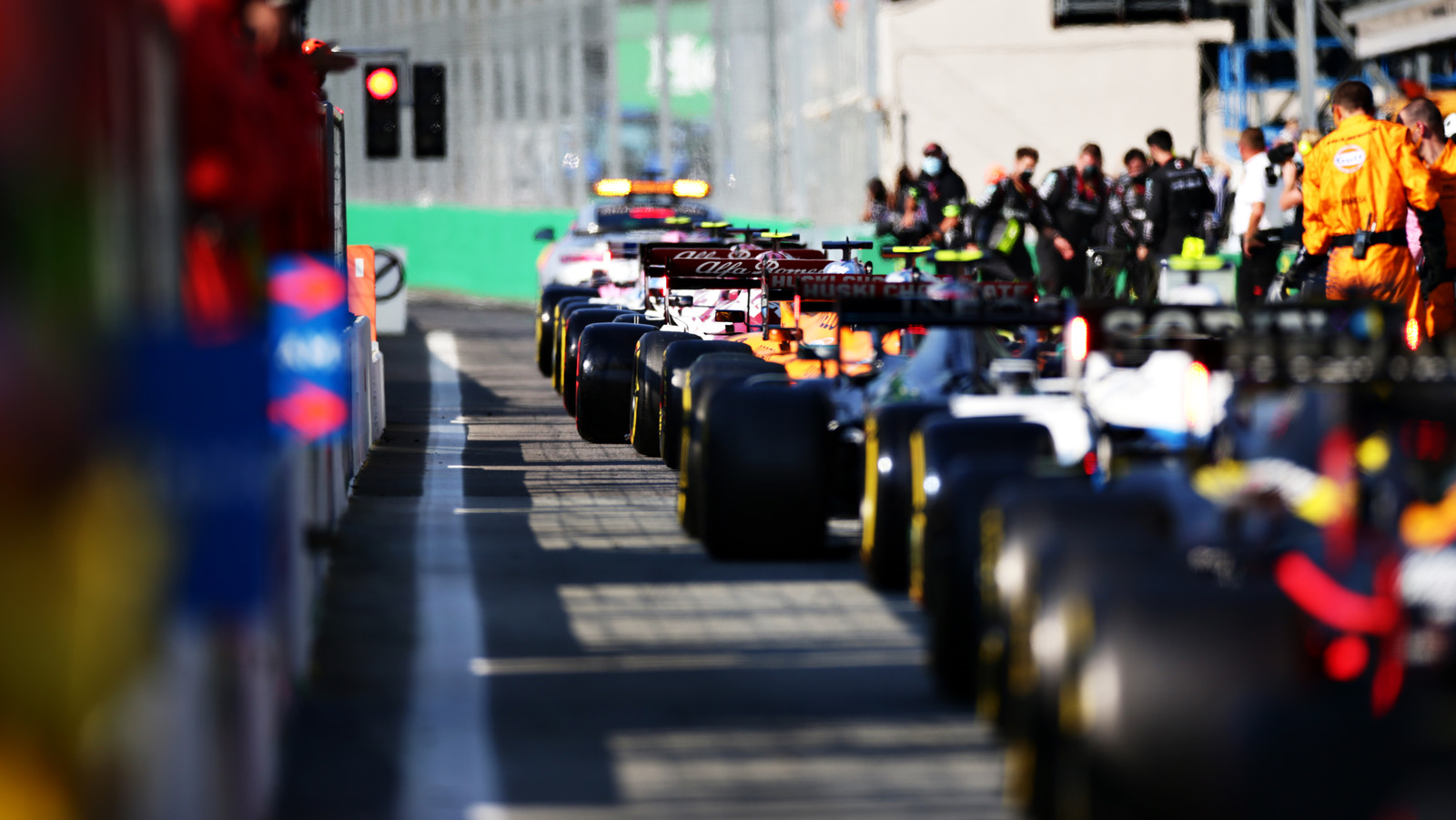
Formula 1 cars are known for their advanced technology and the complex rules and regulations that govern the sport can sometimes be confusing. One set of rules that may puzzle newer fans is why some F1 cars start the race from the pit lane instead of the start grid and how they line up there. Drivers may be required to start from the pits if they have violated certain rules or regulations, while others may choose to do so to gain an advantage if they have qualified poorly. While a few drivers have won races after starting from the back of the grid, no one has ever won from the pit lane, with Sebastian Vettel's third-place finish at the 2012 Abu Dhabi Grand Prix being a notable performance.
There are several reasons why F1 drivers may start from the pit lane. One common reason is if the car violates the "parc fermé" rules, which restrict changes to the car after qualifying. Teams are allowed to inspect and repair the car for a limited time after qualifying, but major changes are not permitted. The rules under parc fermé allow for specific adjustments and repairs to be made to the car without altering its essential components. Additionally, teams can make small changes for driver comfort and adjust cooling systems if there is a change in climatic conditions.
Another factor that may lead to a driver starting from the pit lane is the limited number of power unit elements they can use per season. Exceeding the allocated number of engine elements or gearboxes results in grid penalties, with a 10-place penalty for the first offense and additional penalties for subsequent violations. Some teams strategically take penalties to install fresh components and optimize performance, even if it means starting from the pit lane. This allows them to make adjustments to the car after breaching parc fermé rules and adapt to track conditions.
F1's sporting regulations require qualified cars to arrive at the grid under their own power and leave the pit lane 30 minutes before the formation lap. Breaching these rules results in starting the race from the pit lane. There are also restrictions on the number of personnel that can work on the car on the grid, with specific rules on when they must stop working. If a mechanic touches the car after the designated time, the driver will be forced to start from the pits. Drivers who lose their position during the formation lap due to technical issues or other reasons may also be required to start from the pits.
In conclusion, starting from the pit lane in Formula 1 can be a strategic decision or a consequence of rule violations. Teams and drivers navigate the complex regulations to optimize performance and adapt to changing conditions, with starting from the pit lane offering both challenges and opportunities on race day.