Unraveling the Truth: The Controversy Surrounding Charlie Kirk's Assassination and Misinformation Spread by a Harvard Law Professor
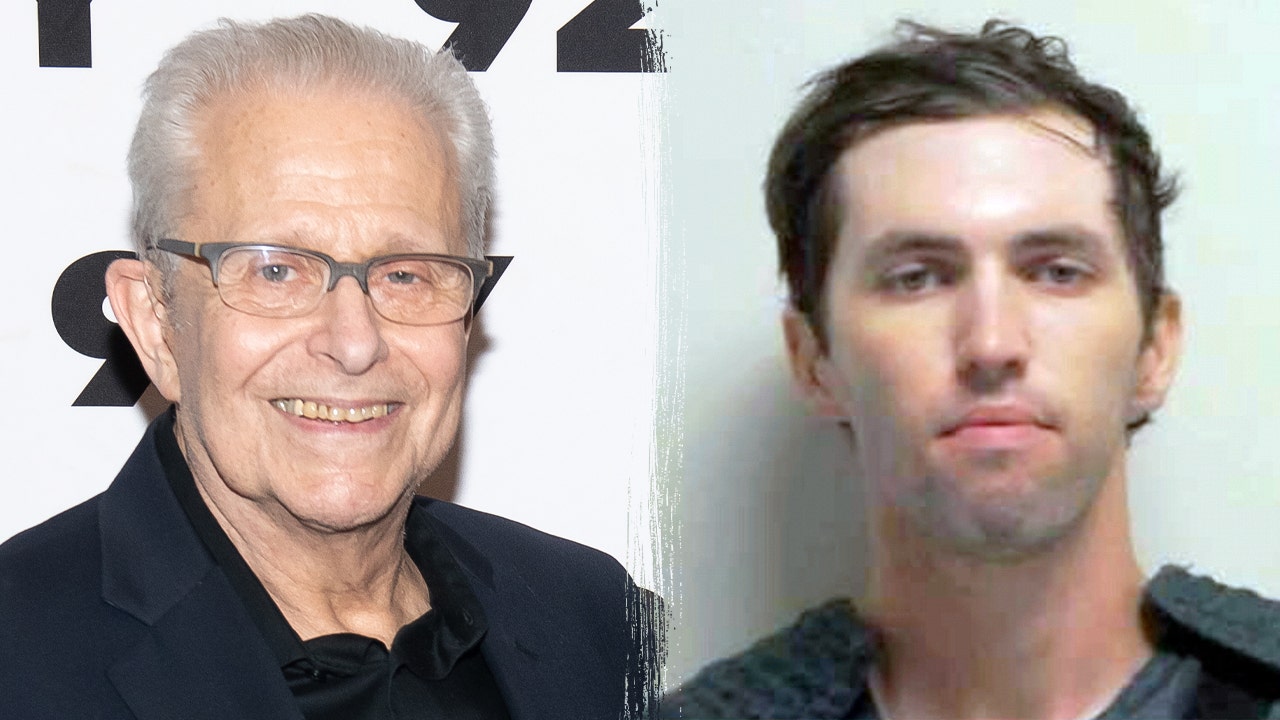
A Harvard Law professor faced backlash on social media for spreading false information about the suspect in Charlie Kirk's assassination, claiming the suspect was "ultra-MAGA" and Republicans were trying to blame liberals for the tragedy. The professor shared a post from Occupy Democrats that attempted to portray the suspect's political ideology.
The suspect, Tyler Robinson, was in a relationship with a transgender partner, as confirmed by senior-level FBI officials. Robinson lived with the partner, who is transitioning from male to female, in Utah. Kirk was killed at Utah Valley University during a Turning Point USA event.
Jeremy Carl, a senior fellow at Claremont Institute, criticized the professor for spreading disinformation about Robinson's political affiliation. The professor, Laurence Tribe, has a long history at Harvard and has served in multiple presidential administrations.
The Occupy Democrats group described Robinson as an "unstable homegrown white man with access to firearms" and linked his family to being "hardcore MAGA" and "conservative gun nuts." Utah Governor Spencer Cox called the killing a "political assassination" and mentioned Robinson's recent political involvement.
The Democratic group tried to connect the messages on bullet casings found near the suspect's weapon to a "white nationalist" and video games. The phrases on the casings included "Hey fascist! Catch!" and "Bella Ciao," an anti-fascist song from World War II.
The false information spread by the Harvard professor and the attempts to link the suspect's actions to political ideologies have sparked controversy and criticism on social media. The investigation into the tragic event continues, with authorities looking into the motives behind the assassination.
In conclusion, the spread of misinformation and attempts to politicize tragic events like Charlie Kirk's assassination can have serious consequences and further polarize public discourse. It is essential to verify information before sharing it and to focus on finding the truth rather than promoting false narratives.