Fired for the Truth: Erika McEntarfer's Stand for Data Integrity
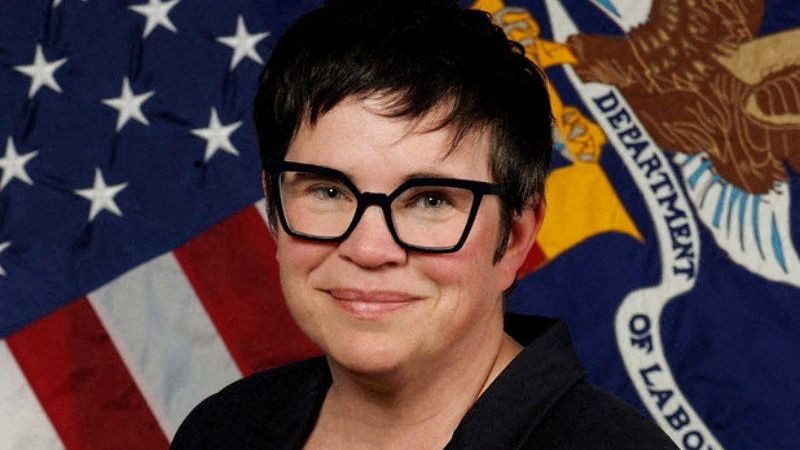
Erika McEntarfer, a former commissioner at the Bureau of Labor Statistics, recently spoke out for the first time since her abrupt dismissal by President Donald Trump following a contentious jobs report. The report, which Trump baselessly claimed was "rigged," revealed disappointing job numbers for July, leading to McEntarfer's unexpected termination.
Reflecting on the events of August 1, McEntarfer described the shock of being publicly fired by the President and thrust into the spotlight. The job numbers release, typically a routine occurrence, quickly escalated into a high-profile controversy that caught her off guard.
Following the release of the job report showing a meager increase of 73,000 jobs in July and downward revisions for May and June, McEntarfer found herself at the center of a debate over the integrity of government data. Her firing raised concerns about political interference in economic data reporting and the implications for data accuracy moving forward.
McEntarfer's upcoming lecture at the Levy Economics Institute at Bard College, titled "The Importance of Official Data in Assessing Economic Conditions," underscores the significance of unbiased data in evaluating economic trends. The event comes amid heightened scrutiny of government data integrity in the wake of her dismissal.
Upon learning of her termination through a reporter's inquiry following a social media announcement by Trump, McEntarfer expressed disbelief at the sudden and unexpected nature of her firing. She emphasized the critical role of accurate economic data in maintaining stability and warned against compromising the independence of statistical institutions.
As the fallout from McEntarfer's dismissal continues to unfold, questions persist about the future of economic data reporting and the potential ramifications of political interference. The implications of her firing extend beyond individual circumstances, raising broader concerns about the reliability and objectivity of official economic data.
In conclusion, Erika McEntarfer's public remarks following her dismissal shed light on the challenges facing statistical agencies and the importance of preserving data integrity in economic analysis. Her experience serves as a cautionary tale about the potential consequences of political interference in data reporting and underscores the need for transparency and independence in statistical institutions.