Government Influence on Media Content: The Case of Jimmy Kimmel's Suspension
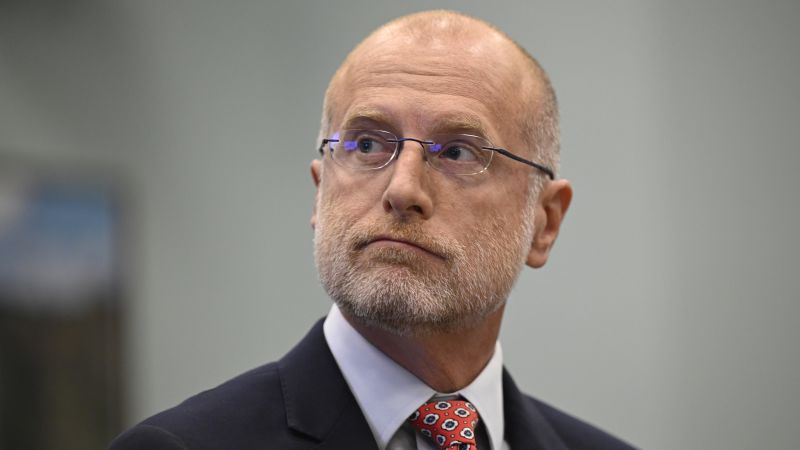
The recent suspension of Jimmy Kimmel's show by ABC following comments made by Federal Communications Commission Chair Brendan Carr has sparked concerns about First Amendment rights. While some argue that Carr's actions may have crossed ethical boundaries, legally, he did not violate the First Amendment as it pertains to government restrictions on free speech. This incident highlights the Trump administration's ability to influence media content without directly infringing on constitutional rights.
Brendan Carr, a prominent figure in the FCC and a staunch supporter of the Trump administration, has been vocal about his views on media censorship and the need to protect free speech. His actions, including pressuring broadcasters and advocating for a crackdown on perceived bias in media coverage, have drawn attention to the power dynamics between government regulators and media companies. Carr's alignment with Trump's agenda and his aggressive stance on media oversight have raised concerns about potential government interference in the media landscape.
Carr's efforts to hold broadcasters accountable and challenge what he perceives as censorship in the media reflect a broader push within the Trump administration to influence the content and narrative of news and entertainment programming. By leveraging his position at the FCC and engaging with media outlets and social media platforms, Carr has demonstrated a willingness to use his influence to shape the media landscape in line with his political beliefs. This approach has sparked debates about the boundaries between government regulation and free speech in the media industry.
The recent suspension of Jimmy Kimmel's show by ABC in response to pressure from Carr underscores the complex relationship between government regulators, media companies, and the public interest. As the FCC oversees licensing and regulation of TV and radio stations, its actions can have far-reaching implications for media content and freedom of expression. The convergence of political agendas, corporate interests, and public discourse in the media sphere highlights the need for a nuanced understanding of the challenges and responsibilities facing media regulators and content creators.
In conclusion, the suspension of Jimmy Kimmel's show by ABC following pressure from FCC Chair Brendan Carr raises important questions about the balance between government oversight and free speech in the media industry. The incident underscores the influence of political agendas and regulatory actions on media content and highlights the need for transparency, accountability, and respect for First Amendment rights in shaping the media landscape. As debates continue about the role of government regulators in the media ecosystem, it is essential to uphold the principles of free speech and diversity of viewpoints in a democratic society.