Unveiling the Aerodynamic Secrets of Formula 1 Cars: The Role of Pitot Tubes and Aero Rakes
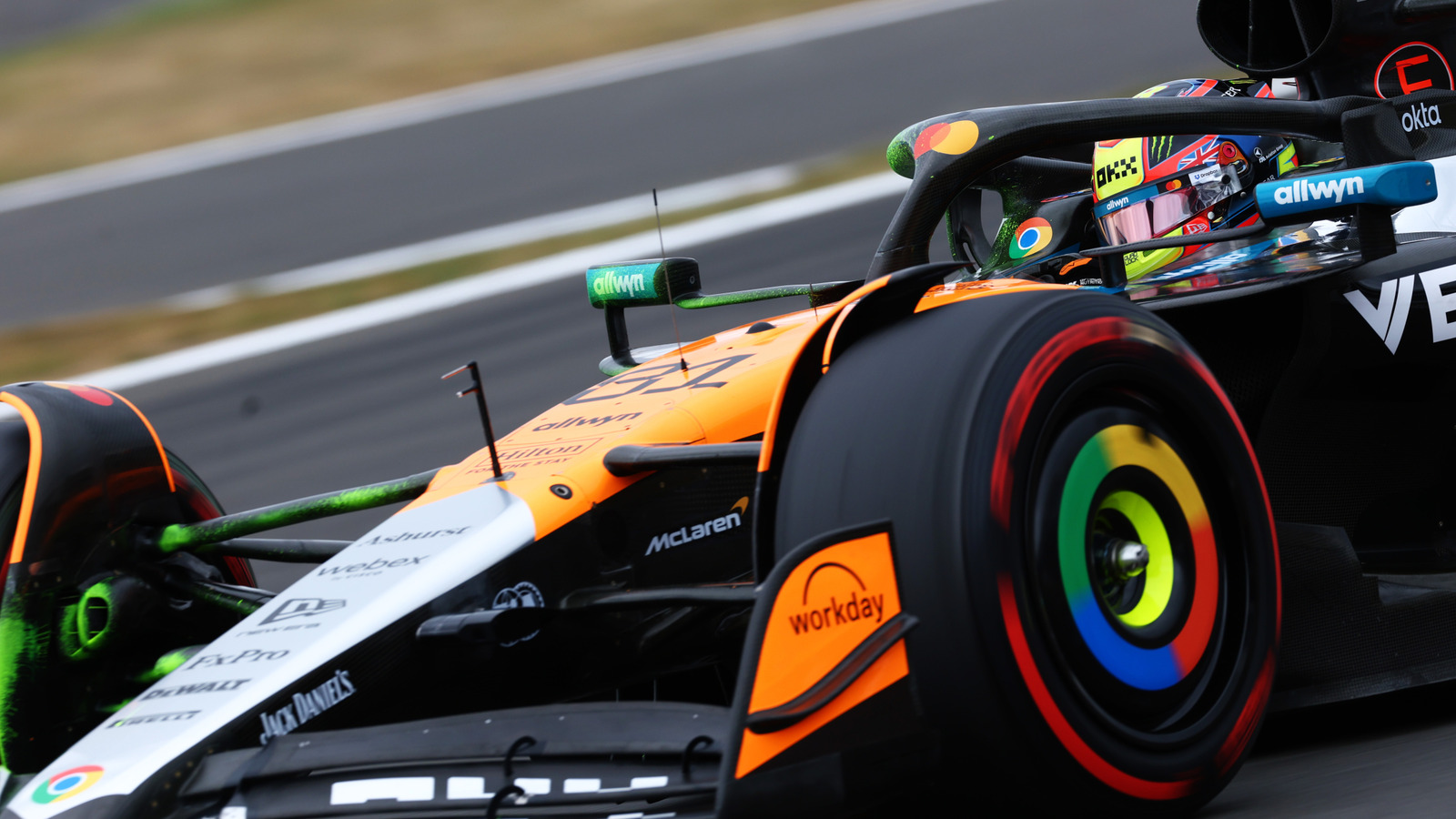
Every year, Formula 1 teams unveil their new cars during winter testing, allowing spectators to assess the competitive landscape at the beginning of the season. To enhance their understanding of the aerodynamic performance of their vehicles, teams equip their cars with metallic arrays containing sensors. These sensors, known as pitot tubes, play a crucial role in bridging the gap between simulation data and real-world performance. Some pitot tubes are permanently mounted on the car, such as those located at the front of the monocoque.
Although pitot tubes are commonly associated with aircraft for measuring airspeed, Formula 1 teams utilize them during testing to visualize the airflow around the car. Aero rakes, equipped with pitot tubes, are positioned behind the front and rear wheels to capture the wake generated by the wings and other aerodynamic components. The data collected by these sensors is transmitted to a black box on the car's bodywork and processed almost instantaneously, generating visual representations of the airflow patterns.
One of the primary purposes of analyzing pitot tube data is to establish correlation between simulation results and real-world performance. While track time is limited, teams have ample opportunities to conduct computational fluid dynamics (CFD) simulations and wind tunnel testing. Detecting discrepancies between simulated and actual performance, such as wing stalls identified by pitot tubes, is essential for refining the car's aerodynamic efficiency. The importance of achieving correlation was highlighted by former F1 race engineer Rob Smedley in a statement to the championship's website in 2019.
The competitive nature of Formula 1 has always revolved around technological advancements and innovation since its inception in 1950. The introduction of a cost cap in 2021 added a new dimension to the sport, limiting the number of CFD and wind tunnel hours based on team performance. This regulatory change aimed to level the playing field and promote fair competition among teams. Despite evolving regulations, winning a Formula 1 championship remains a long-term endeavor that requires a combination of talent, resources, and technical expertise.