The Legacy of British Racing Green: A Symbol of Motorsports Excellence
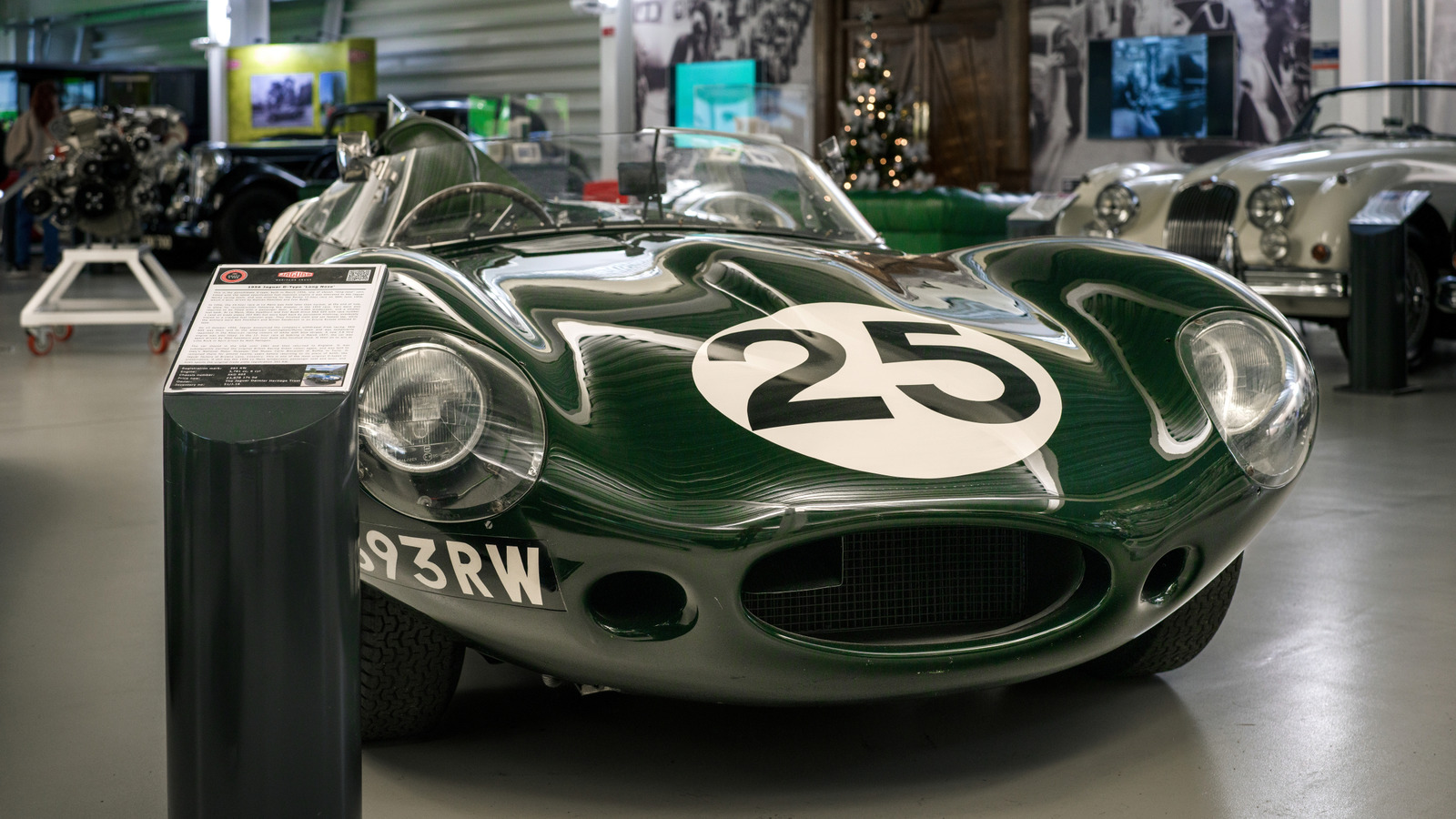
British Racing Green, also known as BRG, is a legendary color in motorsports history. It has been a popular choice for British racing and road cars since the early 1900s. The origin of British Racing Green can be traced back to the 1903 Gordon Bennett Cup, where Britain chose a shade of shamrock green for its racing livery. This color choice was in honor of Ireland hosting the race on Britain's behalf. However, British race cars were already green before this event, with the 1902 Napier green being another notable shade used by the British team.
The Gordon Bennett Cup, sponsored by James Gordon Bennett, featured national team colors for each participating country. France was blue, Germany was white, Belgium was yellow, and Italy was red. The U.K. joined the Cup in 1901 with a Napier-green livery, which later evolved into the iconic British Racing Green. Despite facing challenges in the early races, the British team achieved victory in 1902, earning them the right to host the Cup the following year.
Due to concerns about safety and road conditions in the U.K., the 1903 Gordon Bennett Cup was held in Ireland. The British team darkened their livery to a shamrock green as a tribute to their Irish hosts. This decision solidified the association of British Racing Green with the U.K. racing heritage. While the exact shade of BRG has varied over the years, it remains a symbol of British motorsports excellence.
The legacy of British Racing Green is intertwined with the history of the Gordon Bennett Cup and the tradition of national team colors in motorsports. Whether it's the Napier green of 1902 or the shamrock green of 1903, BRG continues to captivate racing enthusiasts around the world. The rich heritage and iconic status of British Racing Green make it a timeless symbol of British racing prowess.