Navigating the H-1B Visa Shake-Up: Implications for Indian Workers and US Industries
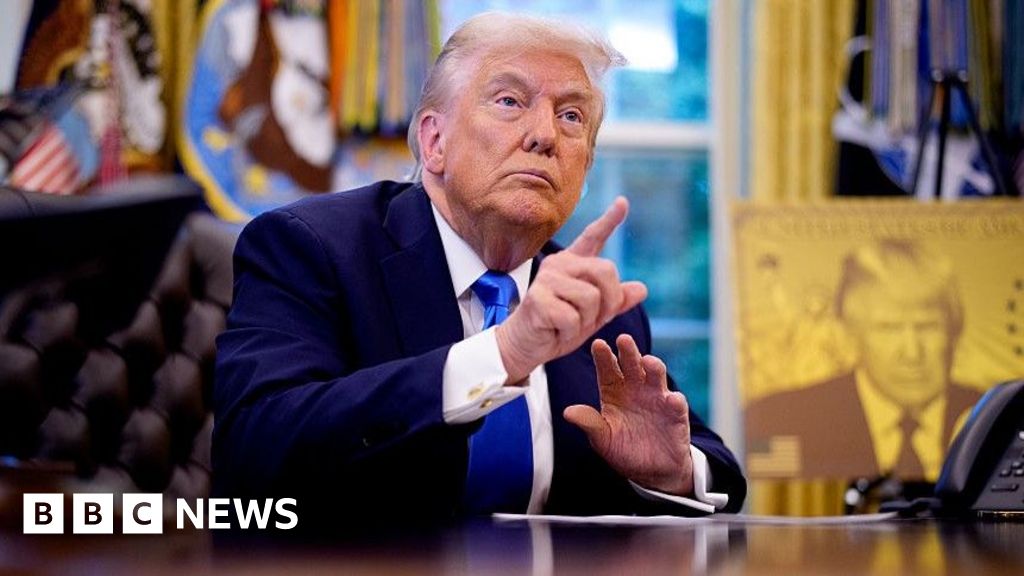
Over the weekend, there was a whirlwind of events for H-1B visa holders from India. President Donald Trump initially announced a significant increase in the cost of skilled worker permits, causing chaos and confusion. Silicon Valley companies advised employees not to travel, and immigration lawyers worked overtime to understand the order. However, the White House later clarified that the fee hike only applied to new applicants and was a one-time occurrence, leaving the future of the H-1B program uncertain.
The H-1B program has been a vital pathway for many Indians to achieve their American dream and has supplied talent to various US industries for decades. This program has transformed both India and the US, with Indian professionals playing key roles in tech companies like Google, Microsoft, and IBM, as well as in the medical sector, where they make up a significant portion of the physician workforce.
Despite the recent fee hike announcement, experts believe that the policy may lead to medium and long-term labor shortages rather than immediate disruptions. Indian outsourcing firms have been preparing for such changes by building local workforces and shifting operations offshore. While Indians still make up a large percentage of H-1B recipients, the top employers have diversified over the years.
The impact of the fee hike could be far-reaching, affecting not only Indian firms but also US companies, hospitals, universities, and start-ups. The increased costs may lead to changes in hiring policies, work shifting offshore, and a reduction in onshore roles. This could have a detrimental effect on US innovation and competitiveness, as well as on the American university system.
The uncertainty surrounding the H-1B program and the fee hike may prompt skilled Indian workers to explore opportunities in other countries for study and work. Indian students, who make up a significant portion of international students in the US, may reconsider their choices in light of these changes. The full consequences of the fee hike are yet to be seen, but legal challenges are expected, and the fallout could have varying impacts on different companies and sectors.
As the situation evolves, the H-1B visa shake-up appears to be more than just a tax on foreign workers; it is a test for US companies and the economy. How companies adapt to these changes will determine whether the US can maintain its position as a leader in innovation and talent or risk losing ground to more welcoming economies.