Urgent Calls to End the Death Penalty in Singapore: Malaysian Man Faces Execution
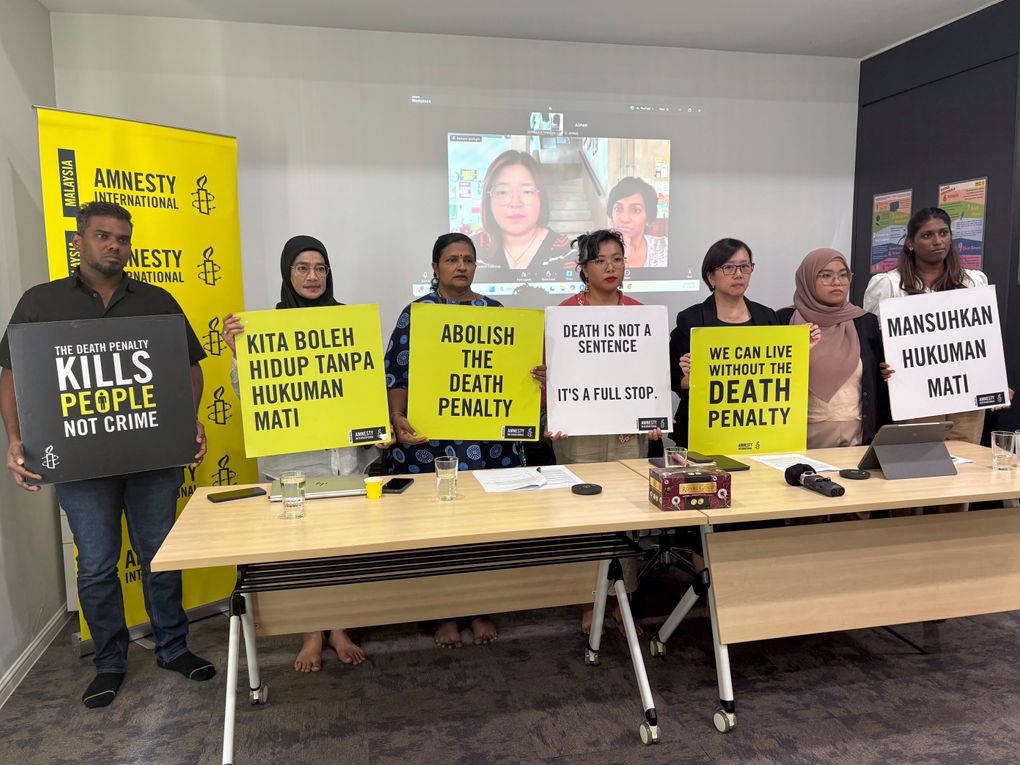
A Malaysian man convicted of trafficking heroin is facing execution in Singapore this week, sparking renewed calls to end the death penalty in the city-state. Datchinamurthy Kataiah, 39, is set to be hanged at Changi prison on Thursday, making him the third Malaysian and the eleventh person to be executed in Singapore this year. He was arrested in 2011 for trafficking heroin into Singapore and had previously been granted a reprieve in 2022 pending a legal challenge that was ultimately dismissed in August.
Singapore's strict laws impose the death penalty for individuals caught with more than 15 grams of heroin and 500 grams of cannabis, a measure criticized for disproportionately targeting low-level traffickers and couriers. Advocates for abolishing the death penalty, including the Transformative Collective Justice, Amnesty International Malaysia, and the Anti-Death Penalty Asia Network, are urging authorities to halt executions. Three other Malaysians and a Singaporean man are also facing imminent executions after losing their latest appeals for drug-related offenses.
In a joint statement, the rights groups emphasized the need to reconsider the use of capital punishment and highlighted recent developments, such as a Singaporean man's sentence being commuted to life in prison, as signs of potential change. They called on Malaysia, as the current chair of the ASEAN bloc, to protect its citizens from exploitation by drug syndicates. Malaysia itself abolished the mandatory death penalty in 2023, opting for lengthy prison terms instead.
According to Amnesty International's 2024 global report, Malaysia commuted over 1,000 death sentences last year, while Singapore saw a rise in executions from five in 2023 to nine in 2024. The region continues to have the highest number of executions globally, with challenges in obtaining accurate data due to secrecy and restrictive state practices in countries like China, Vietnam, and North Korea. The ongoing debate over the death penalty underscores the need for continued advocacy and reform efforts to address human rights concerns surrounding capital punishment.