Dickey Betts and the Evolution of Southern Rock: The Impact of Idlewild South
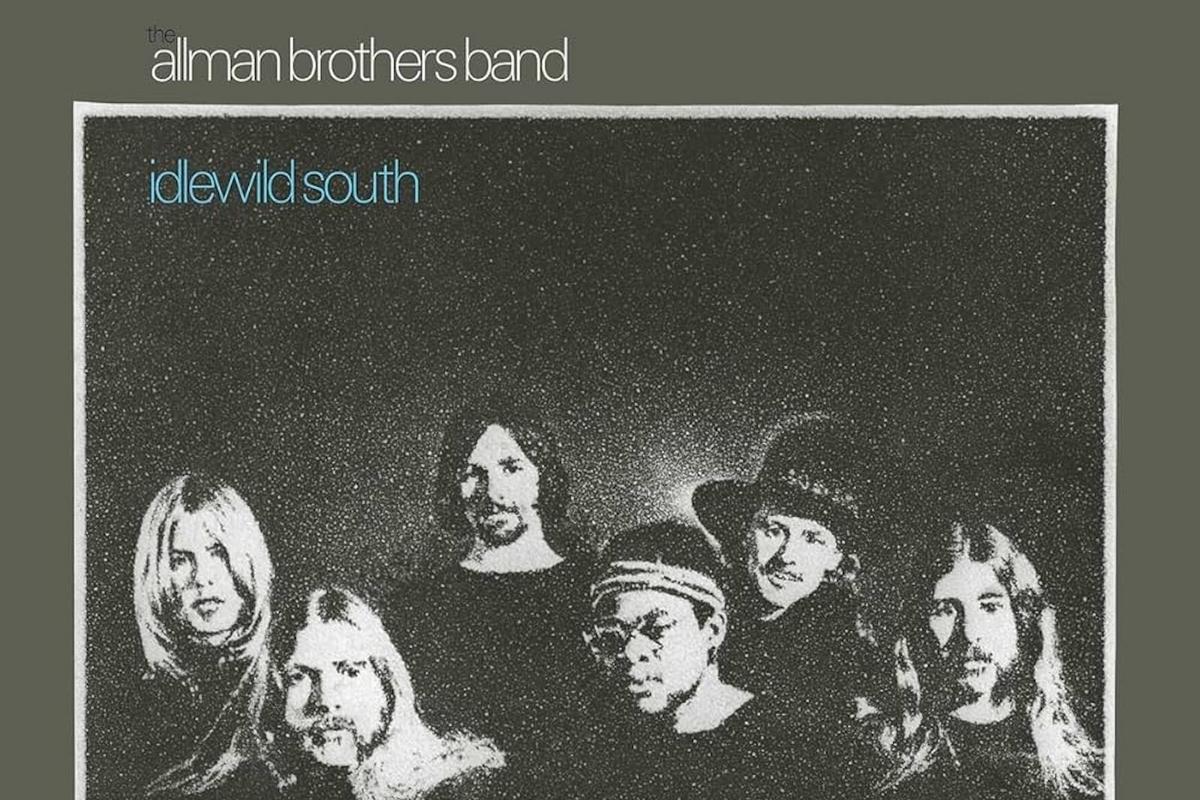
The release of Idlewild South marked a significant moment for Southern rock, introducing Dickey Betts as a key figure in the Allman Brothers Band. Gregg Allman's songwriting and Duane Allman's distinctive guitar work contributed to the album's sound. Betts' compositions, like "Revival" and the emotional instrumental "In Memory of Elizabeth Reed," showcased his talent. The band's rendition of "Hoochie Coochie Man" also highlighted Betts' collaboration with bassist Berry Oakley. Following Duane Allman's tragic death, Betts played a crucial role in the band's continuity.
Betts drew inspiration for "In Memory of Elizabeth Reed" from a graveyard in Macon, Georgia, where he found the name Elizabeth Reed. The song's origins, however, stemmed from Betts' personal experiences. Similarly, "Midnight Rider," co-written by Gregg Allman and roadie Robert Payne, was born out of a spontaneous recording session. Duane Allman's guitar overdubs on both tracks added depth to the compositions.
The Allman Brothers Band's signature sound, characterized by dual guitar melodies, was evident in songs like "Revival" and "Leave My Blues Alone." Despite Idlewild South's modest chart success, the band achieved commercial breakthrough with the release of At Fillmore East in 1971. Tragically, Duane Allman's untimely death in October 1971 shifted the band's dynamics, leading Dickey Betts to steer their comeback.
In conclusion, Idlewild South marked a pivotal moment in the Allman Brothers Band's career, showcasing Dickey Betts' emerging talent and setting the stage for their future success. The album's significance was later recognized as the band achieved commercial milestones with subsequent releases. Despite facing challenges, the Allman Brothers Band's enduring legacy continues to resonate in the realm of Southern rock music.