The Long And Winding Road: McCartney's Scottish Inspiration and Beatles' Turmoil
In the summer of 1968, Paul McCartney wrote a heartfelt song inspired by the Scottish Highlands, which he later recorded with stripped-down instrumentation. However, upon its release, the song was drastically altered with orchestral and choral overdubs, much to McCartney's dismay. This led to a legal dispute and eventually contributed to The Beatles' breakup. Despite the legal implications, "The Long And Winding Road" remains one of McCartney's most personal compositions, reflecting his emotions and struggles during that time.
McCartney found solace and inspiration at High Park Farm in Scotland, where he wrote "The Long And Winding Road" along with other songs. The title of the song was inspired by the narrow road on the Kintyre peninsula, symbolizing the tensions within The Beatles and McCartney's personal struggles. The song, written in E-flat major, features a poignant piano ballad style with no chorus or harmonies, conveying a sense of loss and nostalgia.
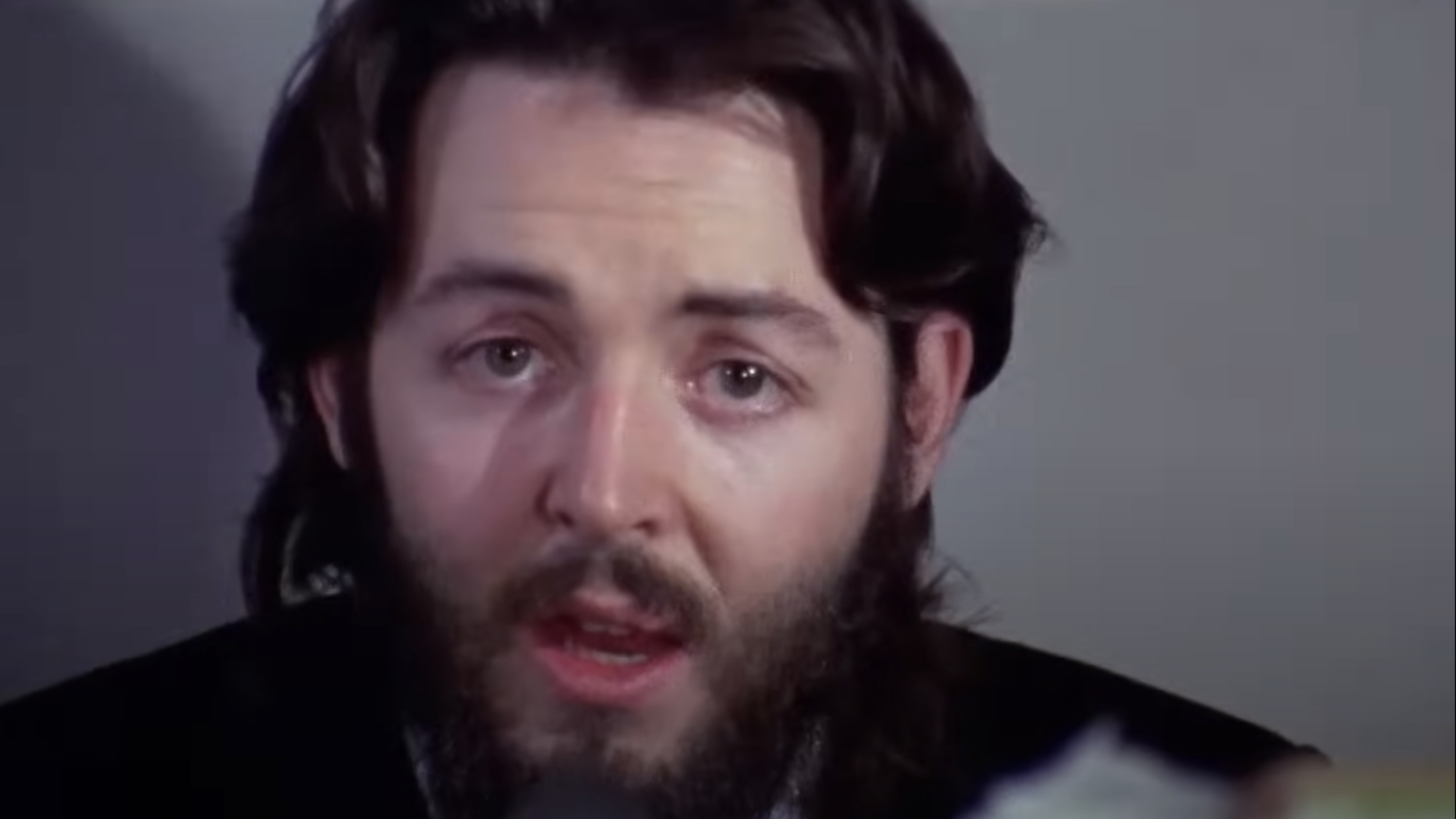
After offering the song to other artists, McCartney decided to record it with The Beatles in early 1969. The recording sessions captured in Peter Jackson's documentary "Get Back" showcased the band's performance, with notable contributions from McCartney, Ringo Starr, George Harrison, and guest pianist Billy Preston. However, John Lennon's bass playing on the song received criticism for being subpar, contrasting with McCartney's exceptional songwriting and vocal delivery.
Upon the song's release as a single in 1970, critics and fans expressed mixed reactions to Phil Spector's orchestration, with some finding it excessive and cloying. McCartney later expressed disappointment with the mixing of the track and sought to release a remixed version of the album. In 2003, "Let It Be… Naked" was released, featuring a stripped-down version of "The Long And Winding Road" that pleased both McCartney and Ringo Starr.
McCartney reflected on the enduring impact of "The Long And Winding Road" in his book "The Lyrics: 1956 To The Present," highlighting its emotional resonance and unique sound. The song's journey from its creation in Scotland to its remixed version exemplifies McCartney's artistic vision and the challenges he faced during The Beatles' tumultuous period. Despite the controversies surrounding its production, "The Long And Winding Road" remains a timeless and poignant piece in McCartney's musical legacy.