Gabon's First Post-Coup Elections: A New Era of Democracy
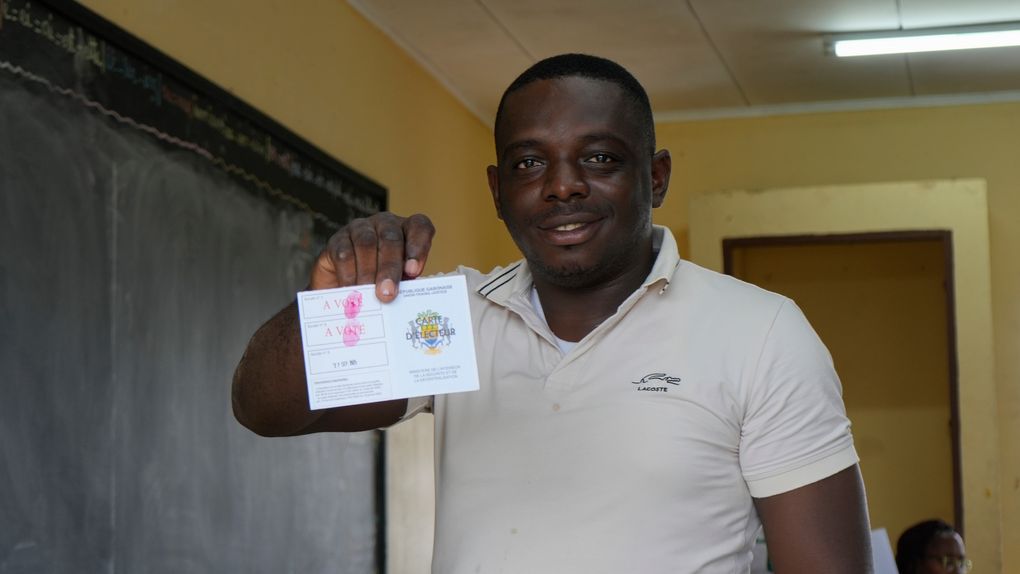
Gabon recently held its first legislative and local elections since a military coup in 2023 ended a long-standing political dynasty. General Brice Clotaire Oligui Nguema overthrew President Ali Bongo Ondimba and won the subsequent presidential election, ushering in a return to constitutional democracy. The elections saw more than 900,000 eligible voters participating in the process, with voting starting in Libreville after a slight delay due to rain.
The main contenders in the elections were the Gabonese Democratic Party, the former ruling party, and the Democratic Union of Builders (UDB), a new party founded by Oligui Nguema. The elections aimed to elect 145 members of the National Assembly and local councilors who would indirectly select senators, mayors, and regional assembly presidents. The country operates under a presidential system, limiting the legislative power to topple the government.
Gabon's new electoral code, adopted earlier this year, allowed military personnel to run for office, including Oligui Nguema in the presidential election. The newly elected president has promised to diversify the economy, reform the education system, and address youth unemployment, which is a significant issue in the country. Despite challenges like high unemployment rates and inadequate infrastructure, Gabon has maintained its relationship with France, hosting a contingent of French troops.
Vote counting began after the polls closed, with the interior minister ensuring a commitment to organizing free, credible, and transparent elections. The first results are expected to be announced on Sunday, with a second round scheduled for October 11 in constituencies where no candidate secured an absolute majority in the initial round.