Taylor Swift's Super Bowl Halftime Show Rejection: A Clash of Expectations
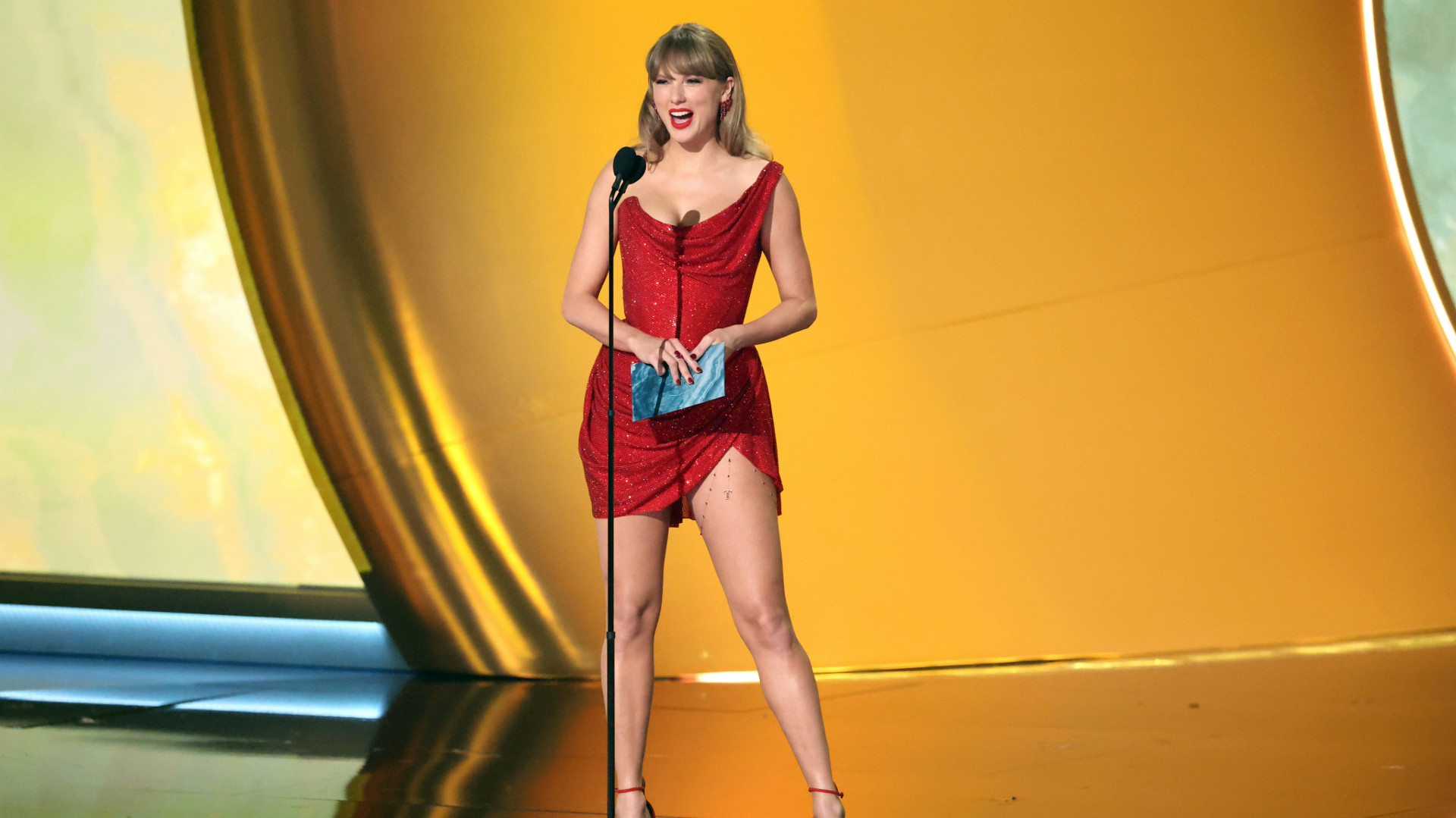
Taylor Swift will not be performing at the Super Bowl halftime show, as the NFL rejected her conditions for the deal. Swift's team wanted terms that matched her global stature, including retaining ownership of her performance and securing slots to promote her own projects, which the NFL refused. This decision highlights a divide in expectations, with Swift seeking a deal that reflected her value and influence.
Despite the NFL's long-standing policy of not paying halftime performers, Swift's team emphasized the need for respect rather than favors. The league's stance on exposure as payment clashed with Swift's established global presence and record-breaking tours. Executives acknowledged Swift's worth and the ratings and attention she brings, emphasizing that she doesn't need the Super Bowl, but the event needs her.
With Swift officially out of the running, the NFL is considering other options for the halftime show. Adele and Miley Cyrus have been mentioned as potential contenders, but Swift's absence has shifted the attention away from the event. The NFL's defense of the massive audience as payment in itself may not be enough to entice artists like Swift, who seek more control over their performances. The Super Bowl halftime show without Swift has prompted a reevaluation of the event's lineup and appeal.
In conclusion, Taylor Swift's decision not to perform at the Super Bowl halftime show due to the NFL's refusal to meet her conditions underscores the clash between artist value and exposure expectations. Swift's influence and global stature have set a high standard for performance deals, leading to a reevaluation of the event's lineup and appeal without her involvement. The NFL's search for a replacement highlights the impact of Swift's absence on the event's overall dynamics.