Unveiling Caravaggio's Masterpiece: The Authenticity of The Lute Player at Badminton House
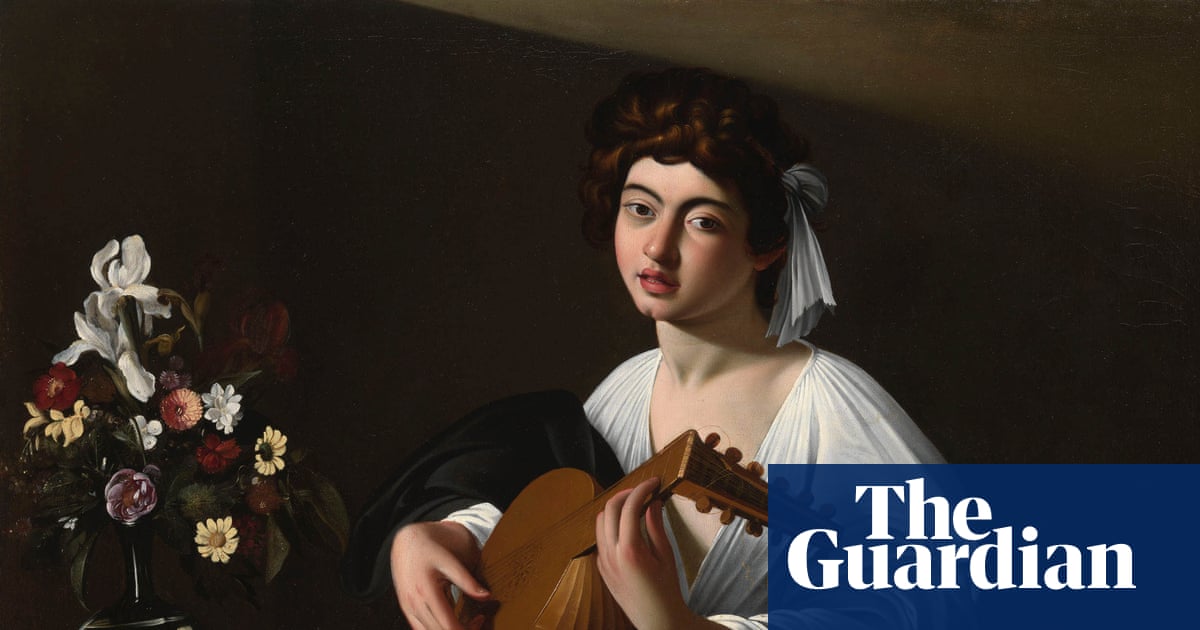
Caravaggio, a renowned artist in western art, has had only a few dozen works survive to this day. Recently, a painting known as The Lute Player, previously dismissed as a copy by Sotheby’s and the Metropolitan Museum in New York, has been confirmed to be by Caravaggio with an 85.7% probability. Scientific analysis conducted by Art Recognition, in collaboration with Liverpool University, used artificial intelligence to match the painting with verified works by Caravaggio.
Caravaggio is celebrated for his revolutionary use of light and dark, known as chiaroscuro, and the realism in his compositions. The rarity of his paintings makes each discovery highly valuable. The Badminton Lute Player, once sold as a copy or attributed to Caravaggio's circle, has now been recognized for its quality and authenticity. The painting corresponds closely with a description by Giovanni Baglione in his 1642 Caravaggio biography, noting intricate details like dew drops on flowers.
The Lute Player by Caravaggio exists in three versions, with the Badminton painting being one of them. The Wildenstein version, previously considered an original by the Met, has now been deemed not authentic through AI analysis. The evidence includes discrepancies in the depiction of the lute, as noted by a leading lute maker. The Badminton version, with its remarkable quality, has gained support from experts and AI analysis, challenging previous attributions.
Caravaggio's life and artistic journey, from his impoverished beginnings to gaining important patrons like Cardinal Francesco Maria del Monte, are reflected in his works. The Lute Player, painted in the late 16th century, showcases Caravaggio's talent and was later acquired by the 3rd Duke of Beaufort of Badminton House. The painting's story and authenticity will be further explored in a podcast and documentary, shedding light on its significance in art history.
The Badminton Lute Player, now in London, may find its way to a public collection in the future. The painting's attribution to Caravaggio challenges previous assumptions and highlights the importance of thorough analysis and expert opinions in art authentication. Despite past doubts and differing scholarly views, the AI analysis and evidence point to the Badminton version as an exceptional and genuine work by Caravaggio.