The Battle for Live Music: Corporate Consolidation vs. Independent Venues
In 2017, Beaty Capital Group embarked on a mission to preserve historic Masonic halls in the Midwest by transforming them into live music venues under the name Temple Live. Their first acquisition was a temple in Fort Smith, Arkansas, built in 1928 and listed on the National Registry of Historic Places. Subsequent purchases included Masonic temples in Cleveland, Columbus, Wichita, and Peoria, showcasing the company's dedication to restoring these historic buildings into vibrant music venues.
Temple Live venues quickly became popular among touring acts and locals, providing a much-needed mid-sized venue for performances. However, in early September, the venues abruptly closed, leaving scheduled bands and the future of these historic buildings in limbo. Lance Beaty, CEO of Beaty Capital Group, attributed the closures to various challenges, including the lingering effects of the COVID-19 pandemic and difficulties with ticketing systems that favored larger promoters.
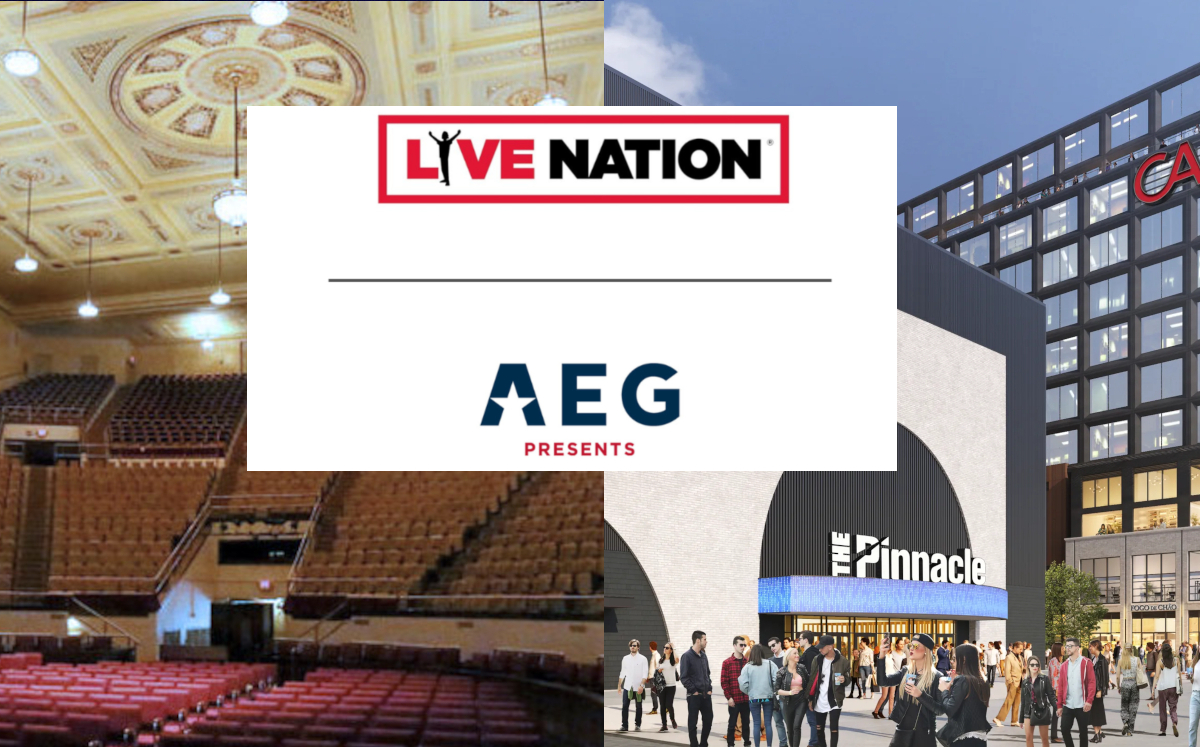
The closure of independent venues is a growing trend across the United States, with iconic establishments like the Crystal Palace in Bakersfield and Duke's in Indianapolis shutting down. The situation is exacerbated by Live Nation's $1 billion investment in small and mid-sized venues in 18 markets, expanding its dominance beyond major cities. AEG, the second-largest concert promoter in the U.S., is also pursuing a similar strategy to acquire mid-sized venues, further consolidating the market.
In response to the increasing competition from corporate-owned venues, concerns arise about the impact on local music scenes, ticket prices, and the accessibility of live music for fans. The rise of large music corporations controlling venue ownership and ticketing systems poses a threat to independent and regional promoters, limiting opportunities for local performers and community engagement. The push towards higher ticket prices and corporate control of the music industry is reshaping the landscape for small and mid-sized venues, artists, and markets.
As the music industry faces challenges of consolidation and rising ticket prices, the future of independent venues and local music scenes hangs in the balance. The shift towards corporate-owned mid-sized venues raises questions about the diversity and affordability of live music experiences for fans and artists alike. The struggle between independent operators and corporate giants underscores the ongoing battle for control and influence in the music industry, with implications for the cultural and economic landscape of music communities nationwide.