Understanding Penalty Kick Rules in Football: Encroachment and Retakes Explained
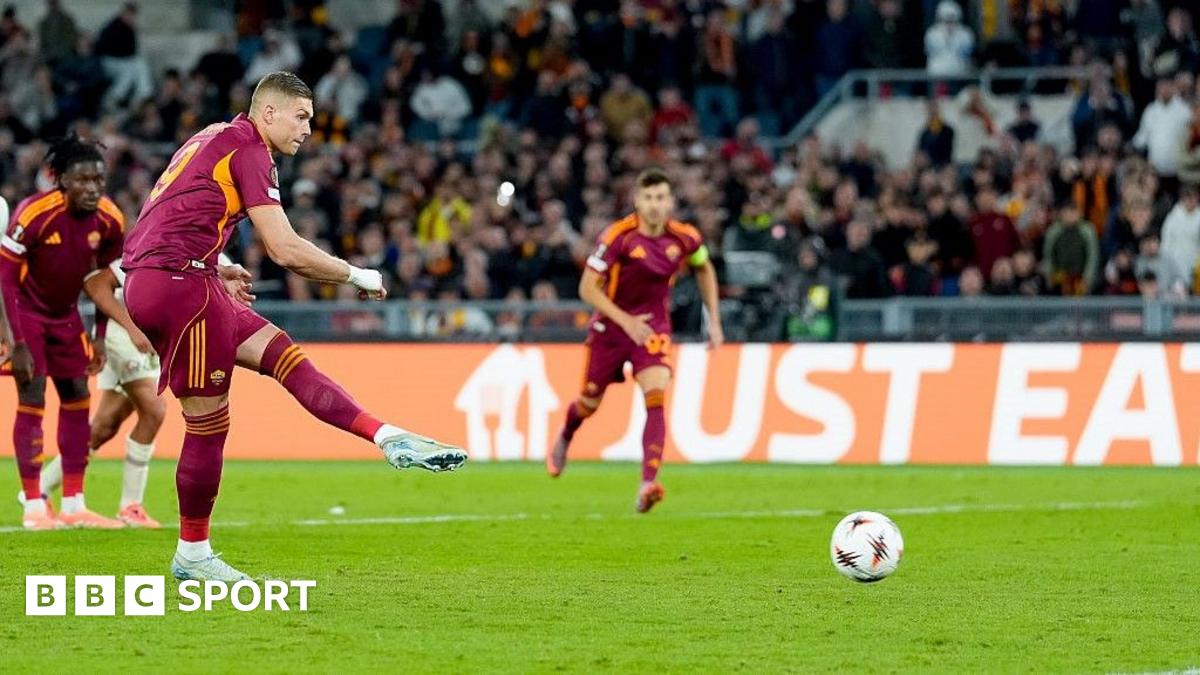
In football, referees can order a penalty to be retaken for various reasons, as seen in Roma's recent Europa League match against Lille. The rules on encroachment during penalty kicks are outlined in Law 14 of the International Football Association Board's Laws of the Game. According to the law, the goalkeeper must stay on the goal line, facing the kicker, between the goalposts until the ball is kicked. Additionally, the goalkeeper must have at least one foot touching or behind the goal line and must not unfairly distract the kicker. Other players, except for the penalty taker and the goalkeeper, must stay outside the penalty area, inside the field of play, and 10 yards away from the penalty spot until the kick is taken.
If a goalkeeper or a teammate encroaches and the shot does not result in a goal, the penalty is retaken. However, if the goalkeeper or their teammates encroach and the shot is scored, a goal is awarded. If the attacking team's encroachment affects the goalkeeper, the penalty is retaken if the ball goes into the goal; otherwise, an indirect free-kick is given to the defending team. If players from both teams encroach, the penalty is retaken. If the encroachment does not impact the goalkeeper, play continues.
This information was provided by Brian from East Sussex. Ask Me Anything is a service by BBC Sport dedicated to answering questions and providing insights. Our team is committed to sharing new knowledge and reminding you of important details. We have a network of experts and pundits to help us find the answers you seek. Stay tuned for more behind-the-scenes coverage of major sporting events on BBC Sport's website, app, social media, YouTube, TV, and radio.