Evolution of Starfleet Ranks and Insignia Across the Star Trek Franchise
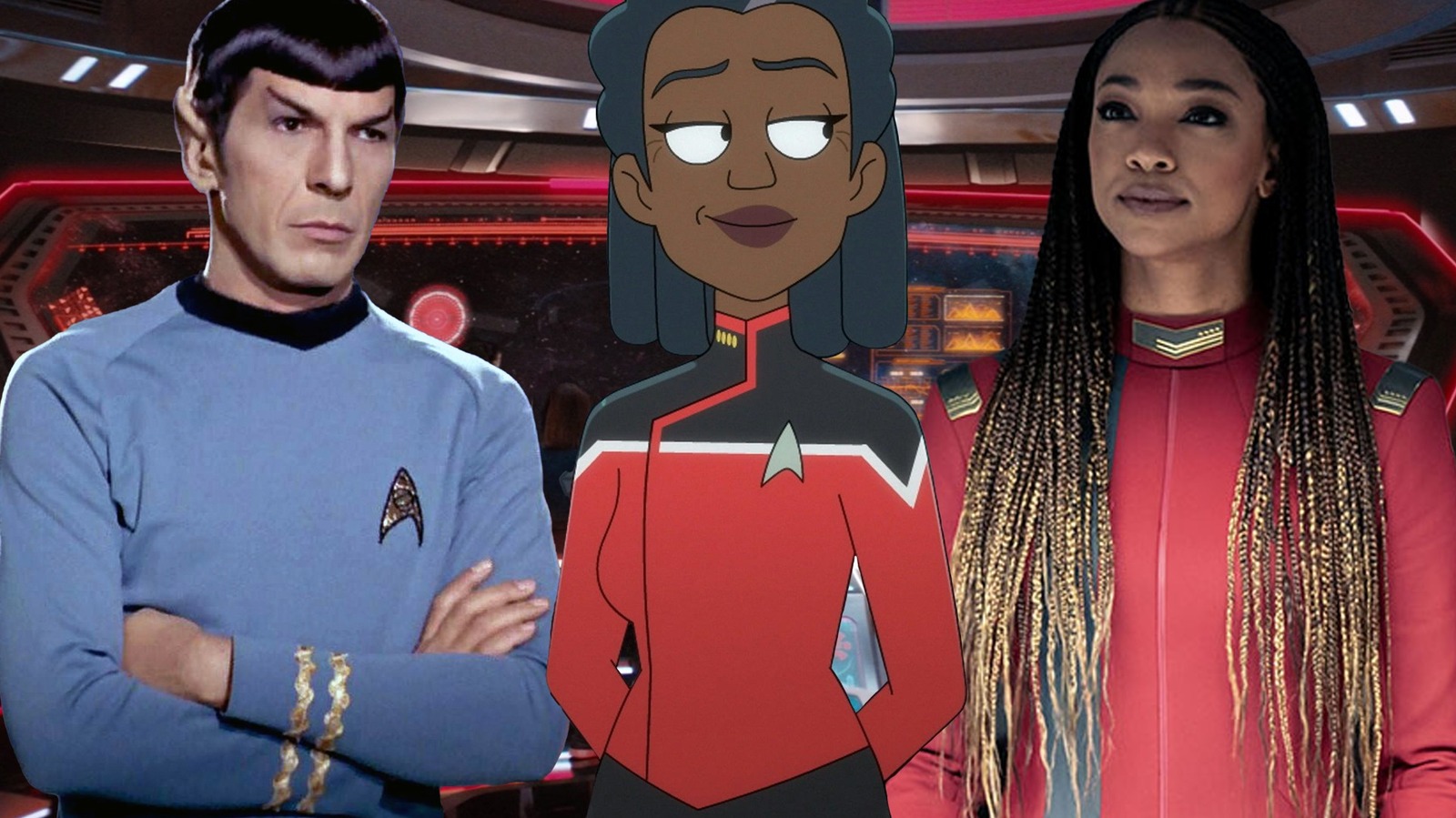
When Gene Roddenberry created the iconic sci-fi series "Star Trek," he drew inspiration from real-world elements, such as the USS Enterprise Navy vessel from World War II. The ranks and designations of Starfleet personnel in the series have roots in actual military structures. The helmsman, galley, and brig on the USS Enterprise bridge reflect this influence, but the meanings of rank insignia have evolved over the course of the franchise's long history.
Starfleet's origins date back to the 2130s as an Earth-based space exploration organization, with the NX-class starship introduced in the 2150s. The Enterprise NX-01, captained by Jonathan Archer, played a pivotal role in the formation of the Coalition of Planets in 2155, which later evolved into the United Federation of Planets in 2161. The crew of the NX-01 wore specific rank pips and blue jumpsuit-style uniforms, with colored bands denoting their divisions and ranks.
In the 2230s, the Kelvin timeline saw Starfleet transitioning to using stripes for ranks instead of pips, as seen in the 2009 film "Star Trek." The uniforms and insignia in this era deviated from the original series, reflecting different standards and practices across various ships. The film's uniforms featured sleeve stripes for officers, with Lieutenant Junior Grade, Lieutenant, and Captain ranks represented by varying stripe configurations.
Subsequent series set around the time of "The Original Series" introduced new rank insignia, deltas, and uniforms, deviating from the 1960s-era designs. In "Strange New Worlds," pips were reintroduced as raised or indented dots on the delta, with different colors and icons denoting command, operations, sciences, and medicine divisions. The ranks in "Discovery" and "Strange New Worlds" included Ensign, Lieutenant Junior Grade, Lieutenant, Lieutenant Commander, Commander, and Captain, each represented by specific pips on the delta.
The 2250s marked a return to sleeve stripes on the USS Discovery, evolving the uniforms and ranks as the series progressed. The colorful uniforms reminiscent of "The Original Series" made a comeback in the fourth season, with Ensigns, Lieutenants, Lieutenant Commanders, and Captains distinguished by varying stripe configurations and colors denoting their divisions. The USS Enterprise NCC-1701 crew in the 2260s wore jumpsuit-style uniforms with sleeve stripes indicating officer ranks.
"Star Trek: The Next Generation" introduced a new USS Enterprise captained by Jean-Luc Picard in 2355, featuring fresh uniforms, rank insignia, and deltas that also functioned as communication badges. The circular pips on the collar denoted ranks from Chief Petty Officer to Captain, with varying configurations of gold and black pips representing different ranks. The subsequent series like "Deep Space Nine," "Voyager," and "Lower Decks" continued to use pips as a prominent feature of Starfleet uniforms.
"Star Trek: Picard" revisited the story of Jean-Luc Picard as a retired Admiral, showcasing updated rank insignia, uniforms, and deltas. The shift in rank display included moving pips to the right breast and using silver instead of gold, reflecting changes in Starfleet's officer ranks. The series depicted the evolution of Starfleet's visual identity into the early 25th century, with pips returning to the collar.
"Star Trek: Voyager" explored time travel and introduced a revamped rank insignia, delta, and uniform in the 29th century. Captain Braxton's rank insignia featured right-facing bronze chevrons, with other officers displaying varying chevron configurations denoting their ranks. The episode "Relativity" provided a glimpse into the 29th-century Federation timeship USS Relativity, showcasing a new rank insignia system.
"Star Trek: Discovery" ventured into the 32nd century, updating ranks, uniforms, and deltas to reflect the series' futuristic setting. The rank insignia in 3189 integrated into the tricom badge, epaulets, and neck, with crew members and officers distinguished by gold pips on the shoulder and neck. The series showcased a new era of Starfleet's visual identity, emphasizing modernized designs and rank displays.
Starfleet Academy serves as the training ground for future officers, with cadets progressing through different ranks denoted by insignia designating their year in school. The evolution of cadet rank insignia from the late 2250s to the 2360s saw a transition from delta-centered rectangles to pips similar to those worn by commissioned officers. The upcoming "Star Trek: Starfleet Academy" series set in the 32nd century promises to introduce new rank and uniform styles.
Enlisted personnel play a crucial role in Starfleet, mirroring the composition of modern warships where officers and enlisted personnel work together. Throughout the franchise's history, enlisted ranks like Petty Officer Second Class, Chief Petty Officer, and Master Chief Petty Officer have been featured, with distinctive silver octagon insignia representing these ranks. The inclusion of enlisted ranks adds depth to Starfleet's organizational structure and highlights the diversity of roles onboard a starship.