John Lennon's Fight Against Deportation: A Tale of Political Turmoil and Artistic Activism
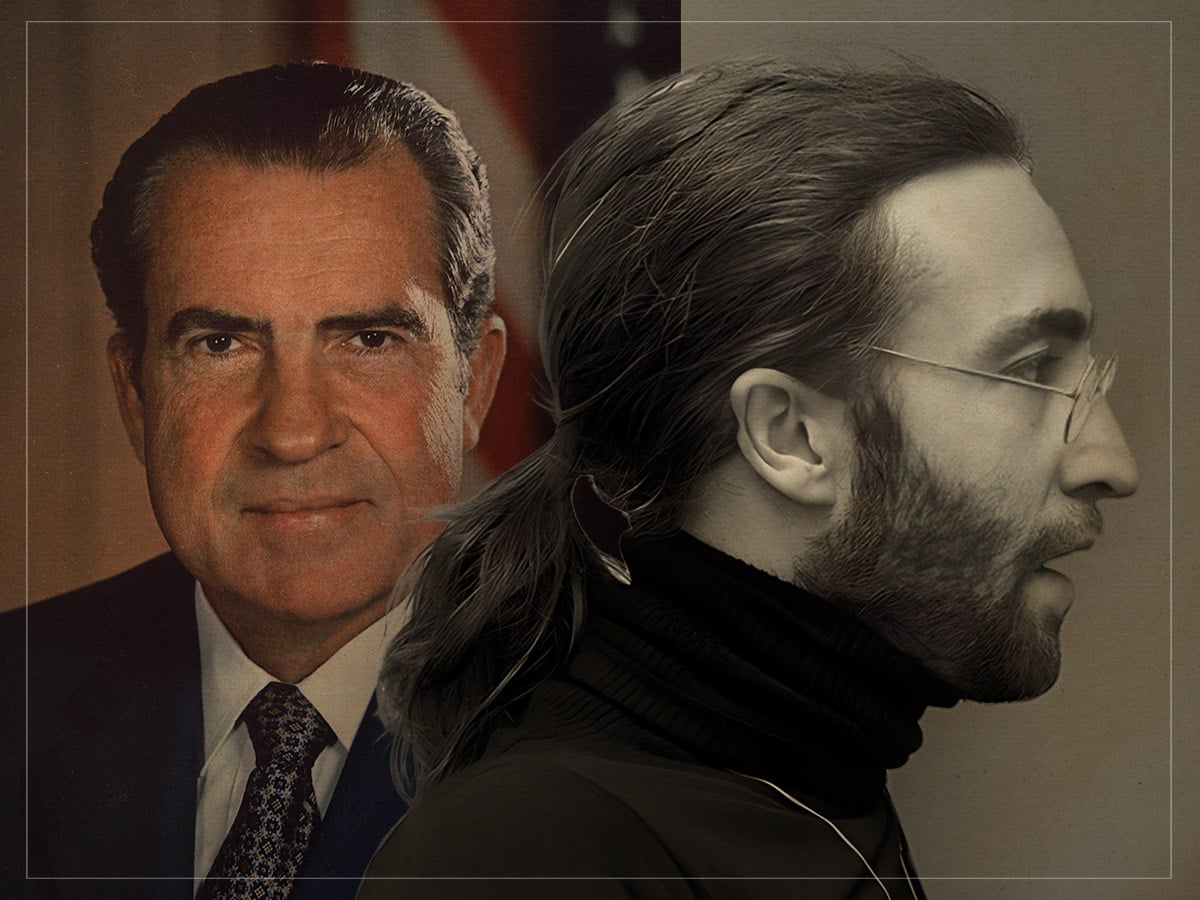
John Lennon's brush with deportation from the USA during the Nixon administration 50 years ago marked a turbulent period of political tension. Despite his controversial statements and actions, Lennon and Yoko Ono aligned themselves with radical figures of the countercultural movement. Lennon's anti-establishment stance, highlighted by his peace advocacy and protest activities, drew attention and support from activists worldwide.
The couple's move to New York City in 1971 saw them engaging in various political activities, including supporting union strikes and befriending radical groups like the Chicago Seven. Lennon's music, such as the iconic song "Happy Xmas (War Is Over)," became anthems for anti-war protests, further amplifying his influence. However, Nixon's administration viewed Lennon's growing popularity as a threat to their political agenda, leading to deportation proceedings based on a minor drug offense.
The legal battle that ensued between Lennon and the US government lasted for several years, with public support and interventions from influential figures like Bob Dylan. Nixon's eventual downfall due to the Watergate scandal weakened the administration's efforts to deport Lennon, ultimately leading to the overturning of deportation plans by President Gerald Ford in 1975. Lennon was granted permanent residency and remained in New York City until his tragic assassination in 1980.
Posthumously, Lennon's FBI files revealed extensive surveillance and monitoring of his activities, reflecting the government's concerns over his political influence. Despite his later music showing a shift away from radicalism, Lennon's near-deportation serves as a reminder of political overreach and the suppression of dissenting voices. In today's political climate, reminiscent of McCarthyism, Lennon's story resonates as a cautionary tale of government interference in artistic expression and activism.