Rush: Defying Prog Rock Stereotypes and Embracing Coolness Through the Decades
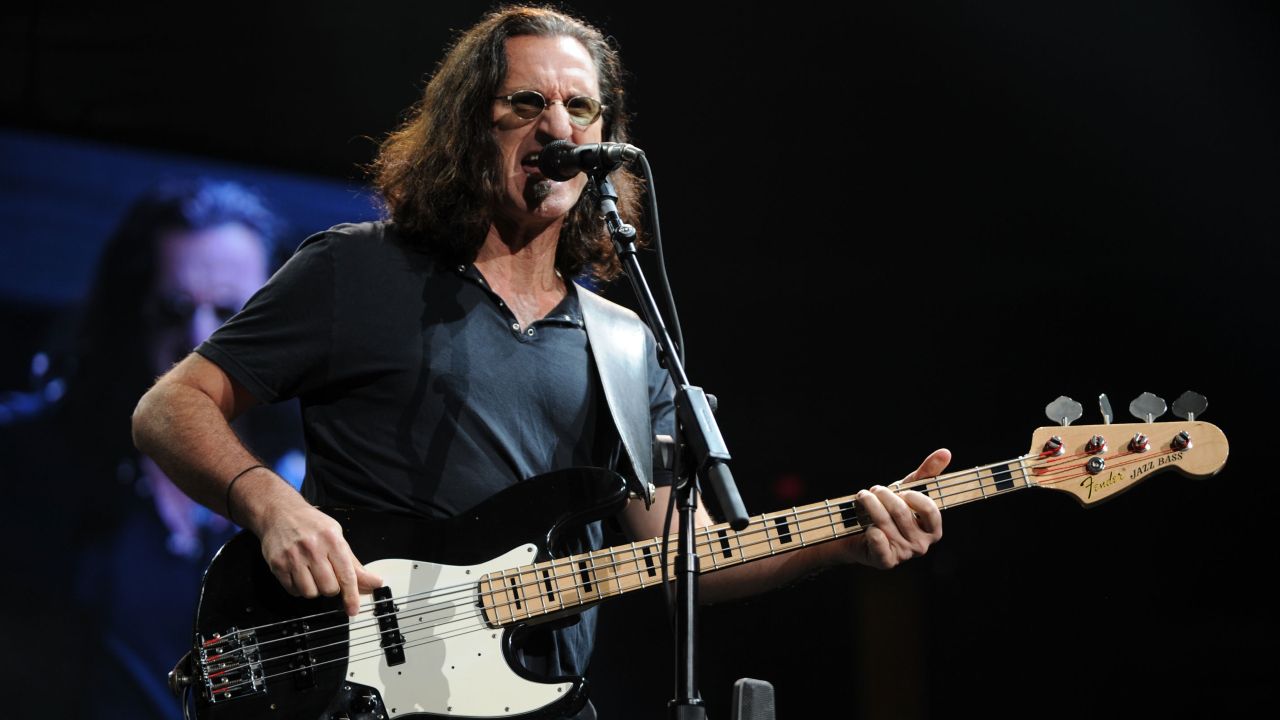
Rush, the iconic Ontario trio, has defied the typical prog rock stereotypes and emerged as one of the coolest bands in the genre. With a history spanning 50 years, Rush's music continues to be groundbreaking and influential. Guitarist Alex Lifeson and singer/bassist Geddy Lee founded the band in 1968, infusing their music with a blend of blues rock and technical instrumentals. Drummer Neil Peart joined in 1974, bringing a unique style influenced by rock legends like Keith Moon and jazz greats like Buddy Rich. Rush's classic lineup produced a string of acclaimed albums, appealing to a diverse audience with their mix of sweeping suites, cathartic riffs, and pop sensibilities.
Rush's music transcends genres, attracting fans from all walks of music. Their straightforward approach to songwriting and disciplined musicianship set them apart from the prog rock excesses of their time. Despite their complex compositions and ambitious lyrics, Rush never veered into pretentiousness or showmanship. Their live performances showcased three talented musicians focused on delivering powerful music without unnecessary theatrics. Bands across various genres, from Dream Theater to Metallica, have praised Rush's influence on their own music. Even artists like Billy Corgan and Yungblud have expressed admiration for Rush's timeless appeal.
As Rush prepares for a highly anticipated reunion in 2026, their legacy remains as strong as ever. Their music continues to resonate with new generations, proving that Rush's cool factor transcends trends and time. Whether you're a rock enthusiast, a jazz aficionado, or a pop music lover, Rush's music remains undeniably cool and relevant. Don't miss the chance to experience Rush's iconic sound and enduring influence at their upcoming reunion shows.