Unpacking Quentin Tarantino's Controversial Comments on Stephen King's 'It' and 'A Nightmare on Elm Street
Quentin Tarantino is a renowned filmmaker known for his significant contributions to the independent film industry. His movies like "Pulp Fiction," "Inglorious Basterds," and "Once Upon a Time... In Hollywood" have left a lasting impact on cinema. However, Tarantino's outspoken nature and strong opinions sometimes lead to controversial statements. In a podcast discussion, he suggested that Stephen King's novel "It" was a ripoff of Wes Craven's "A Nightmare on Elm Street."
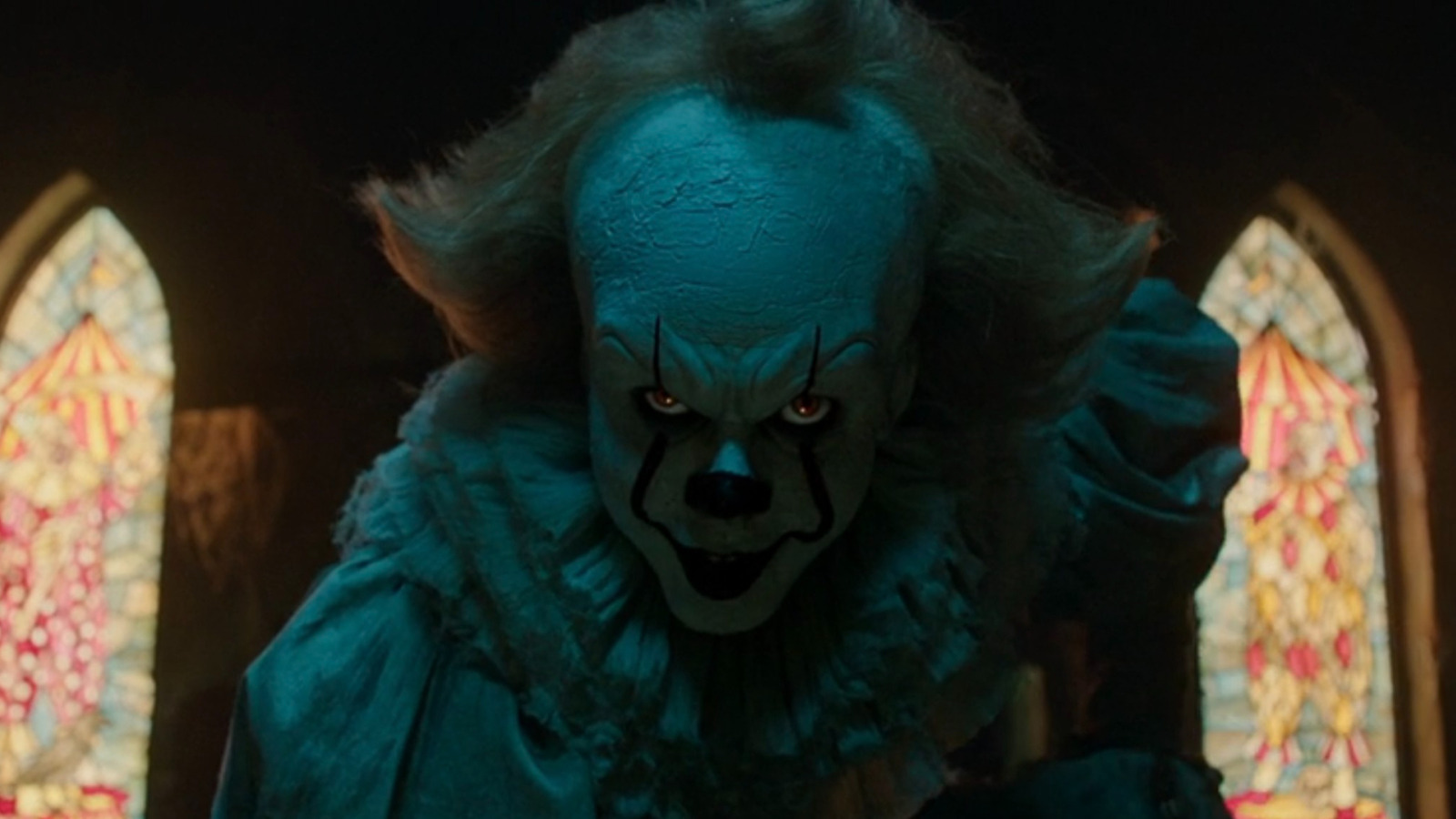
Stephen King's "It" is a classic horror novel that follows a group of outcasts battling a malevolent entity in the form of a clown named Pennywise. While there are some surface-level similarities between "It" and "A Nightmare on Elm Street," the two stories have distinct differences. Freddy Krueger and Pennywise are both iconic villains, but their methods and motivations are unique. Freddy haunts teenagers in their dreams, while Pennywise is a physical threat in the real world.
Tarantino's claim that "It" is a ripoff of "A Nightmare on Elm Street" is based on a misunderstanding of the timeline. King began writing "It" before "A Nightmare on Elm Street" was released, and the two creators were working independently. Tarantino's admission that he had not read "It" and his reliance on secondhand information contributed to his misinterpretation of the two works. Despite his misconceptions, Tarantino expressed interest in watching "It: Chapter Two" to see how the story unfolds.
In the same discussion, Tarantino praised Stephen King as a great author but criticized Wes Craven's screenplay for "A Nightmare on Elm Street." His comments highlight the complexities of interpreting and comparing works of art. While Tarantino's opinions may spark debate, they also serve as a reminder of the subjective nature of storytelling and the importance of engaging with source material before forming judgments.