Protecting Against Real Estate Fraud: Tips for Buyers and Sellers
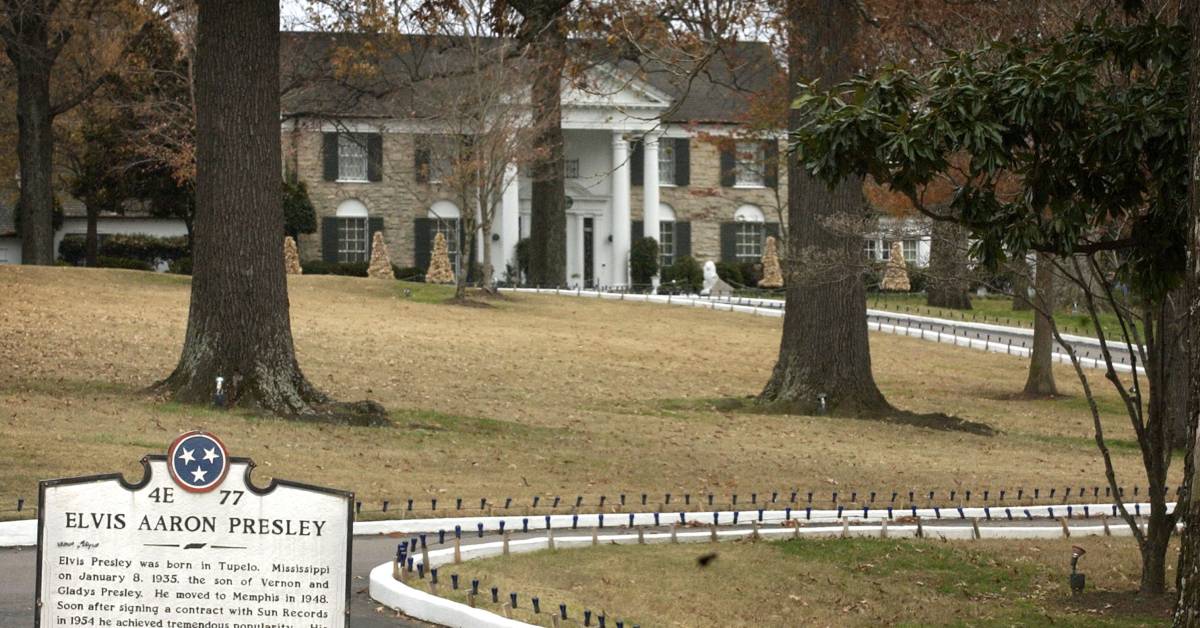
Graceland, the iconic former home of Elvis Presley in Memphis, was at the center of a fraudulent scheme orchestrated by a woman from Missouri. Jeanine Findley attempted to sell Graceland fraudulently, claiming that Lisa Marie Presley had taken out a loan using the property as collateral and had not repaid it before her death. Findley used fake documents and aliases to threaten foreclosure on the property, leading to her sentencing to prison for mail fraud.
Real estate fraud is a serious issue that can impact both buyers and sellers. In some cases, cybercriminals engage in wire transfer fraud by hacking into email accounts and providing false instructions for money transfers related to real estate transactions. Protecting personal information, monitoring financial accounts, and reviewing credit reports regularly are essential steps to safeguard against real estate scams.
Homeowners should be vigilant, especially if their property is vacant or if they are living out of the country. Scammers often target such properties for fraudulent activities. Setting up alerts for any changes made to the deed and asking neighbors to keep an eye on the property can help prevent real estate fraud. Staying informed and cautious is key to avoiding falling victim to fraudulent schemes in the real estate market.