From Hostages to Hope: Charting a Path to Peace in the Middle East
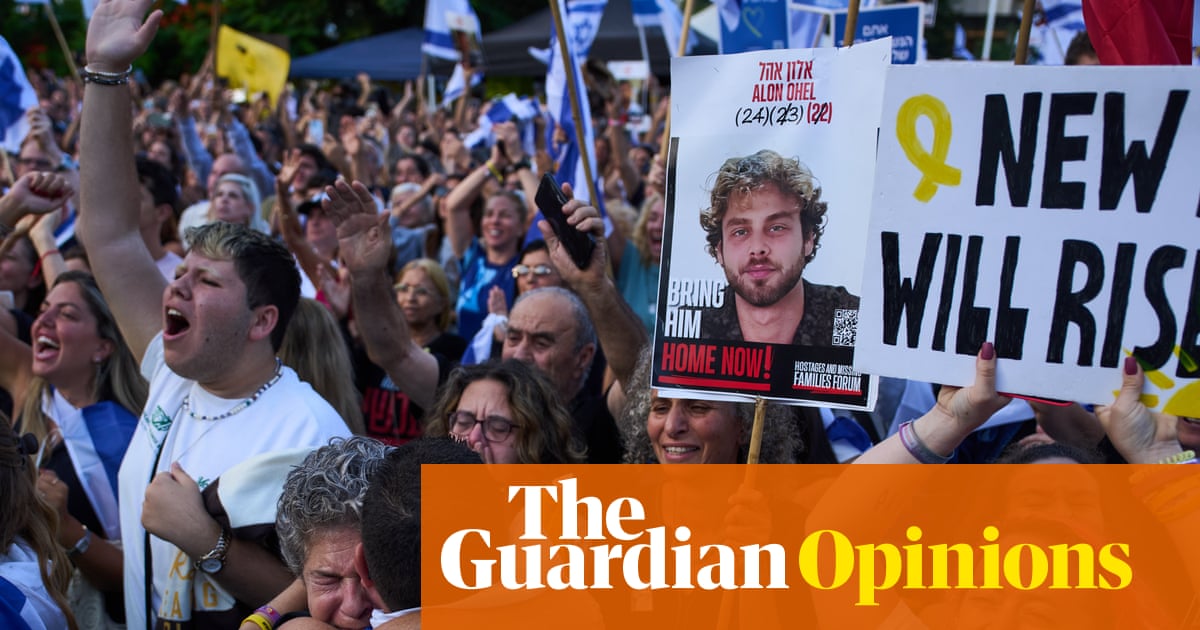
The streets of Tel Aviv were unusually quiet on a Monday morning, with many popular spots having more empty seats than occupied ones. The reason for this eerie calm was the return of the last 20 living hostages from Hamas captivity, drawing thousands of people to "Hostages Square" in Tel Aviv and captivating viewers at home. The joy and relief felt by the nation were palpable, with smiles and celebrations breaking out everywhere.
Since the war ended and the hostages were freed, Israel has been basking in a sense of euphoria. People are smiling for no apparent reason, and even the TV anchors are exuding happiness. However, amidst the jubilation, the devastation in Gaza serves as a stark reminder of the war's toll. The focus is now shifting towards Gaza's rehabilitation and the challenges that lie ahead.
A leaders' summit on Gaza in Sharm el-Sheikh, Egypt, is set to kickstart discussions on the region's future governance and security. The urgency of the situation is underscored by reports of Hamas reasserting control in Gaza. The summit aims to chart a path forward for both Israel and Gaza, with a focus on Gaza's reconstruction.
The invitation extended to Israel's Prime Minister, Benjamin Netanyahu, to attend the summit signals a new phase in the post-war scenario. While the first phase brought the hostages home, the second phase is centered on Gaza's recovery. Netanyahu's absence from the summit raises questions about Israel's commitment to the peace process and its role in Gaza's future.
The summit, orchestrated by Donald Trump, signifies a shift in authority over Gaza and emphasizes the need for international cooperation in the region. Trump's call for peace and prosperity in the Middle East aligns with his vision for resolving conflicts in the region. However, the role of Palestinians in this vision and the prospects for lasting peace remain uncertain.
The public's perception of Trump as a key player in the peace process, overshadowing Netanyahu, highlights the evolving dynamics in the region. While Trump's involvement has been instrumental in ending the war, the long-term sustainability of peace remains a pressing concern. The future of the region hinges on effective governance and cooperation among all stakeholders.
As celebrations give way to sober reflections on the challenges ahead, the role of international actors in maintaining peace in the region becomes crucial. Trump's role in brokering peace may be temporary, and the onus will eventually fall on regional leaders to ensure lasting stability. The road to peace in the Middle East is fraught with complexities, and the true test lies in the ability to navigate these challenges and build a sustainable future for all.