Matchmaking the Stars: Inside the Scheduling of U.S. National Team Games
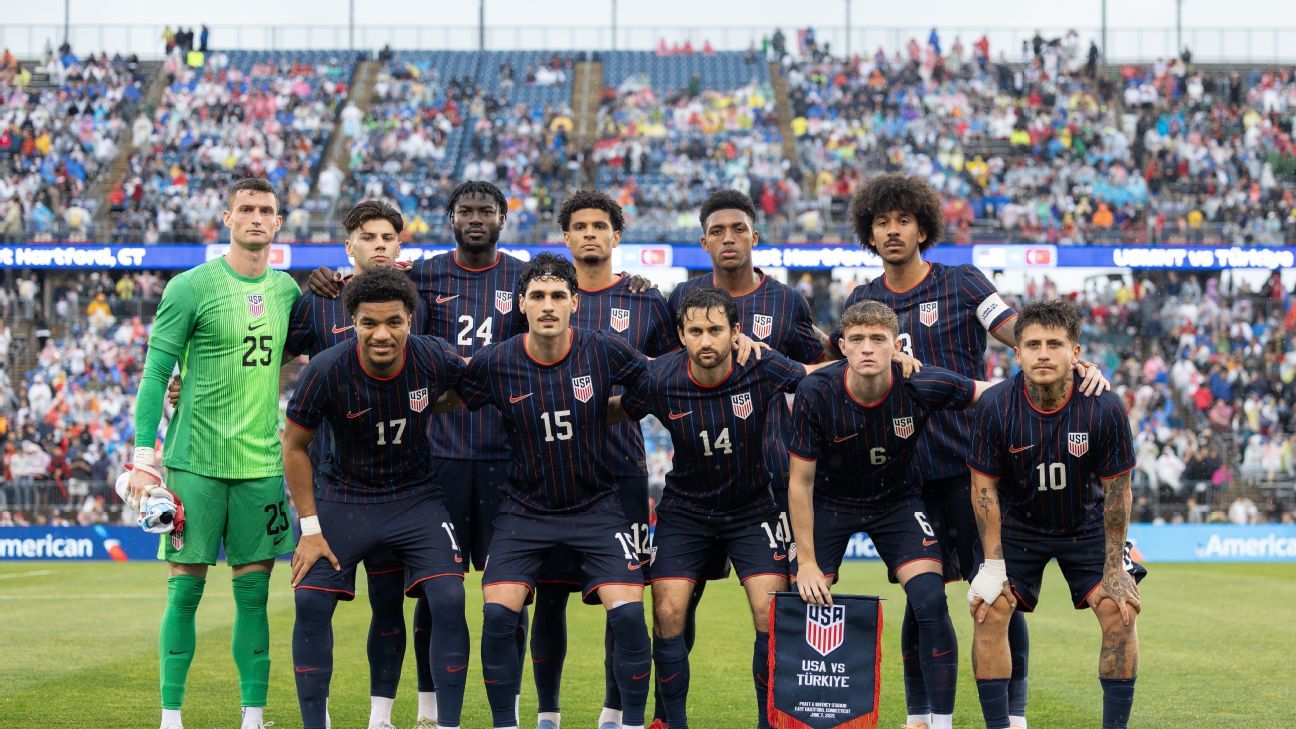
The U.S. men's and women's national teams are set to play a total of 25 home friendly matches in 2025, with each game requiring an opponent and a host venue. Tom King and John Terry, key figures at U.S. Soccer, are responsible for securing opponents and venues for these matches. They navigate a complex process akin to speed dating, aiming to find suitable matches for multiple games simultaneously. The relationship aspect is crucial, with King often making calls at odd hours to secure opponents, while Terry focuses on finding appropriate venues. The ultimate goal is to secure top opponents for the national teams and host games across the United States.
The selection of opponents and venues for U.S. national team games involves various considerations, including climate, historical fan support, quality of facilities, and broadcast constraints. Terry strives to spread the national teams across different parts of the country to maximize viewership. Despite the challenges, U.S. Soccer aims to fulfill its goals while ensuring that games are held in diverse locations. The process of scheduling opponents and venues can sometimes lead to unexpected patterns in game locations and opponents, raising questions from fans about ticket prices and game choices.
U.S. Soccer officials work closely with national team coaches Emma Hayes and Mauricio Pochettino to identify preferred opponents. King evaluates available teams and negotiates terms, while Terry focuses on securing suitable venues. The interdependence between opponents and venues is crucial, with both elements needing to align for a game to take place. Factors such as capacity, availability, and surface type influence venue selection, with each game presenting unique challenges that must be addressed.
The cost of hosting national team games is a significant factor in scheduling decisions. Stadium rental fees vary based on the venue's size and location, with larger stadiums and markets generally commanding higher costs. The preference for grass fields further impacts expenses, with temporary grass installation adding to the overall budget. Despite the challenges, U.S. Soccer strives to find suitable venues that meet the teams' needs while keeping costs manageable.
Ticket prices for national team games are influenced by various factors, including venue costs, demand, and pricing models. U.S. Soccer aims to offer affordable ticket options to fans, with starting prices often lower than other sporting events in the same city. Dynamic pricing and resale markets can lead to fluctuations in ticket costs, but U.S. Soccer works to ensure accessibility for fans. Collaborations with supporters' groups and initiatives like discounted concessions and free parking aim to enhance the fan experience and make games more inclusive.
In conclusion, the process of scheduling opponents and venues for U.S. national team games involves a complex interplay of factors, including relationships, logistics, and financial considerations. U.S. Soccer's efforts to secure top opponents, diverse venues, and affordable ticket prices reflect its commitment to providing an engaging and accessible experience for fans. Despite the challenges posed by scheduling constraints and cost considerations, the federation continues to prioritize the national teams' success and fan engagement in its game planning.