Media Outcry: Pentagon's Press Restrictions Spark Unprecedented Unity Among News Outlets
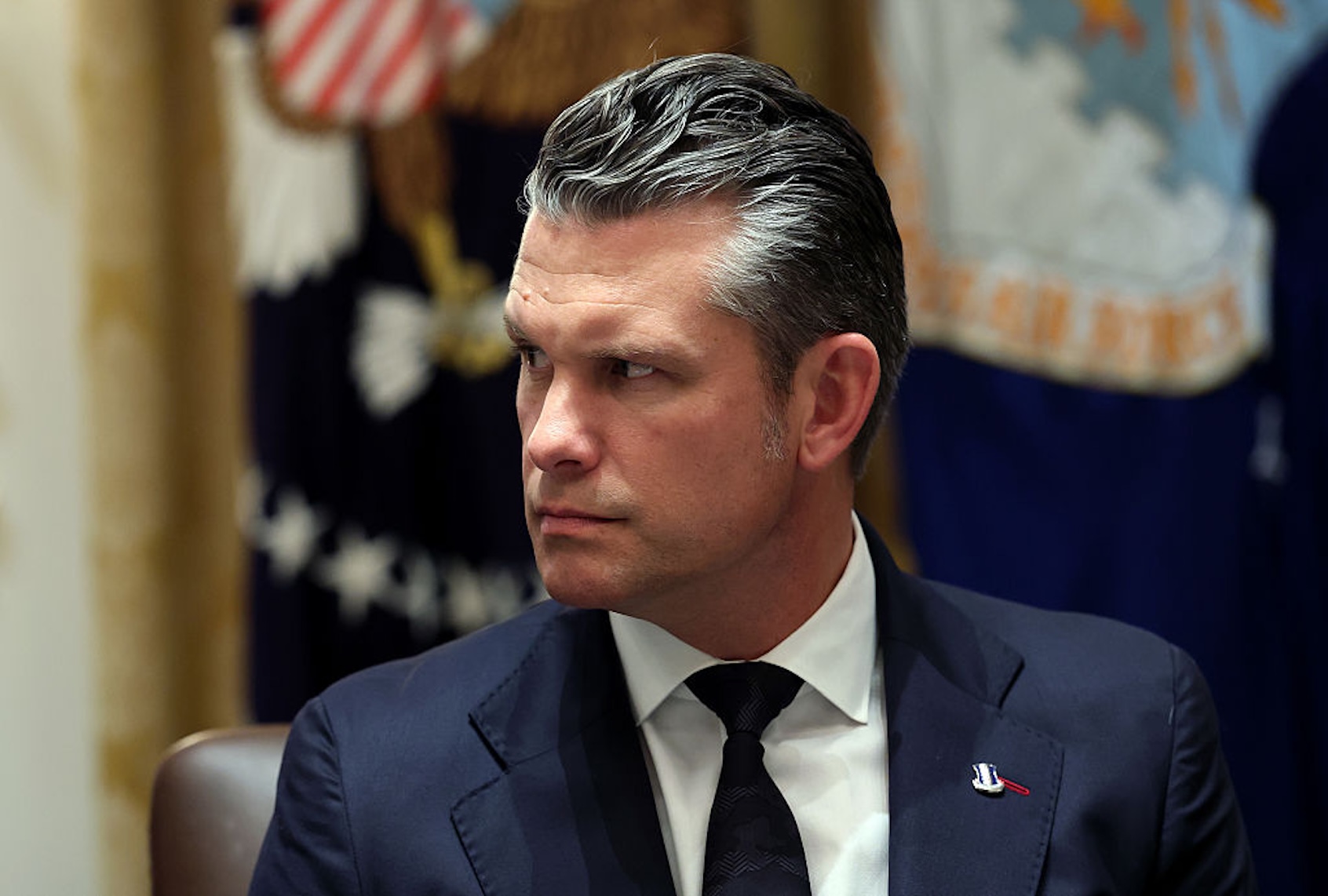
The Secretary of Defense, Pete Hegseth, has sparked a unified response from the media by imposing strict restrictions on journalists covering the Pentagon. Over 100 resident Pentagon press members who refused to sign Hegseth's new policy, which limits reporters to publishing only preapproved information, have been asked to surrender their passes and leave the premises. This move has led to a rare display of solidarity among U.S. news outlets, including conservative ones like Fox News, Newsmax, and the Washington Examiner, who have all rejected the Pentagon's press access policy, citing concerns about its impact on the First Amendment.
Hegseth's actions have disrupted longstanding norms between the military and journalists, challenging over two centuries of press freedom in America. Despite initial guidelines warning reporters about losing their credentials for seeking unclassified information, the Pentagon revised its policy, intensifying threats against both journalists and government employees. Hegseth's efforts to control leaks and silence critics have led to a backlash from the media, with major news organizations refusing to comply with the new restrictions.
The joint statement issued by leading news outlets, including Fox News, MSNBC, ABC News, CBS News, CNN, and NBC News, highlights the unprecedented nature of the Pentagon's policy and its threat to journalistic freedoms. The Washington Post, the New York Times, Reuters, the Associated Press, and the Guardian have also joined the protest by refusing to sign the new guidelines. Journalists like NPR's Tom Bowman have publicly surrendered their credentials in protest, emphasizing the importance of upholding press freedoms in the face of government censorship.
Despite Hegseth's defense of the policy as a privilege rather than a right, the media's united front against the Pentagon's restrictions underscores the critical role of journalism in holding power to account. By attempting to control the narrative and limit access, Hegseth has inadvertently drawn attention to the importance of a free and independent press. The media's refusal to comply with the Pentagon's demands signals a broader concern about the erosion of press freedom and the need to protect the public's right to information.
In conclusion, Secretary of Defense Pete Hegseth's attempt to silence journalists and impose strict controls on press access has backfired, leading to a unified response from the media and a renewed commitment to upholding journalistic principles. The standoff between the Pentagon and the press underscores the vital role of a free press in a democratic society and the need to safeguard press freedoms against government overreach. Despite attempts to stifle reporting, journalists remain determined to uncover the truth and hold those in power accountable, highlighting the resilience of the press in the face of censorship.