The Great Dictator: Chaplin's Bold Stand Against Tyranny and Call for Unity
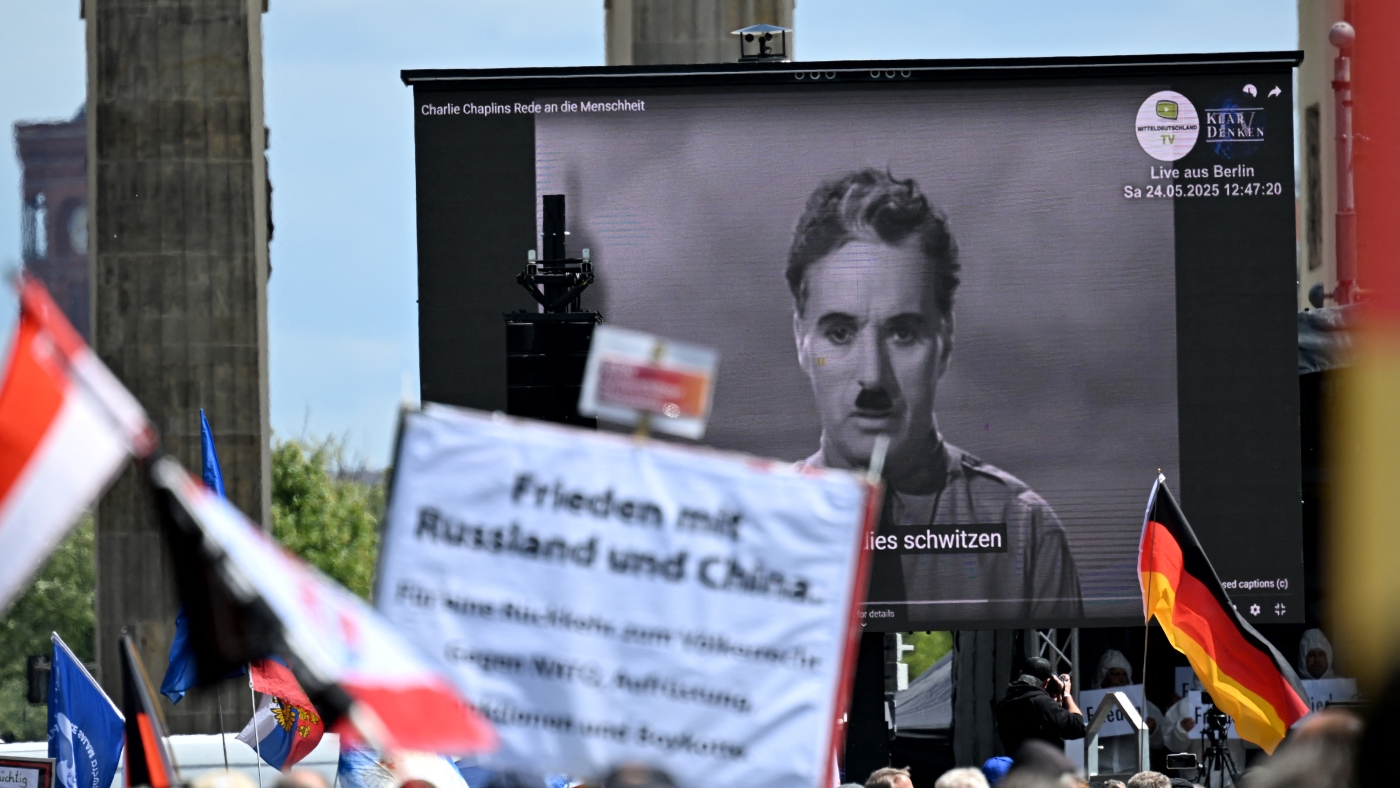
Charlie Chaplin faced resistance from Hollywood studios when he set out to create The Great Dictator in 1938. With the U.S. still maintaining friendly relations with Nazi Germany, Chaplin decided to finance the film himself. Drawing on his physical resemblance to Adolf Hitler, Chaplin portrayed a satirical version of the dictator named Adenoid Hynkel. The parallels between Chaplin and Hitler, as highlighted in the documentary The Tramp and Dictator, were striking, with both men born in the same week of the same month of the same year and rising to fame in their respective roles.
In addition to his portrayal of Hynkel, Chaplin played a Jewish barber mistaken for the dictator in the film. In a poignant speech towards the end of the movie, the barber expresses his desire for peace and unity among all people, emphasizing the need for kindness and humanity over greed and hatred. This speech marked the first time Chaplin spoke on screen in a feature film, delivering a powerful message that resonated with audiences.
Despite some critics finding the speech sentimental, The Great Dictator was hailed as a subversive and impactful film. It drew the ire of right-wing politicians like Sen. Joe McCarthy and J. Edgar Hoover, who falsely accused Chaplin of being a Communist sympathizer. The film's message of standing up to totalitarian regimes through comedy and promoting peace struck a chord with viewers and critics alike.
Ray Bradbury, a science fiction icon, praised Chaplin's use of comedy to challenge oppressive regimes, noting the effectiveness of humor in undermining totalitarianism. The film's call for unity and reason in the face of war resonated with audiences, urging them to reject violence and embrace democracy. Despite the controversy surrounding the film, The Great Dictator remains a testament to the power of art in confronting tyranny and advocating for peace.
Eighty-five years after its release, The Great Dictator continues to serve as a reminder of the importance of speaking out against injustice and promoting compassion and understanding. Chaplin's bold stance against totalitarianism and his plea for unity and humanity in the face of war remain relevant and inspiring, showcasing the enduring impact of art in challenging oppression and advocating for a better world.