Emergence of Clade I Mpox in Los Angeles County: Cases, Symptoms, and Prevention
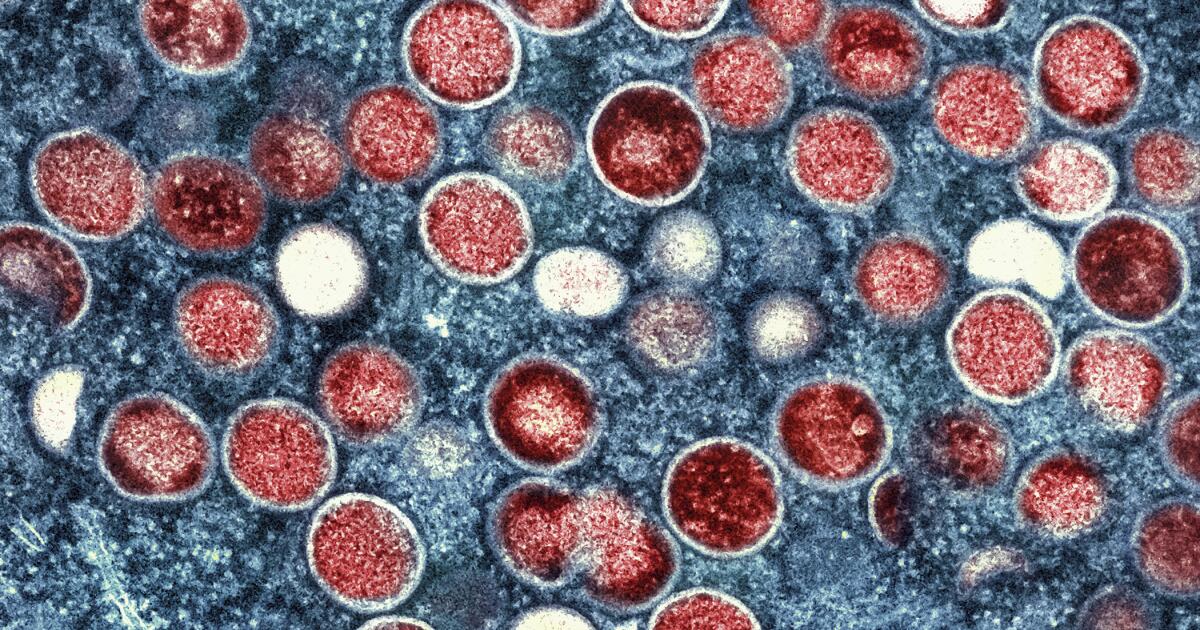
Two cases of a potentially more severe strain of mpox have been confirmed in Los Angeles County this week. This particular type of mpox, known as "Clade I," has been found in the United States for the first time among individuals who did not travel to high-risk areas overseas. The first case was reported in a Long Beach resident, while the second case was reported in another person in Los Angeles County. Both patients required hospitalization but are now recovering at home, according to health officials.
The presence of Clade I mpox is distinct from the global outbreak caused by Clade II in 2022. Clade I is considered more concerning as it may lead to more severe illness and easier transmission through close personal contact, such as massage, cuddling, and sex, as stated by the L.A. County Department of Public Health.
Symptoms of mpox include rash, sores resembling pimples or blisters, fever, chills, headache, muscle aches, and swelling of lymph nodes. Individuals experiencing these symptoms are advised to seek medical evaluation promptly and avoid intimate contact. Testing is recommended for those with symptoms, and individuals should refrain from sex or close contact to prevent transmission.
Clade II mpox typically causes mild-to-moderate illness and has been circulating at low levels in the U.S. since 2022. Prior to this week, there were six cases of Clade I mpox in the U.S., all linked to recent travel to central and eastern Africa. The risk of Clade I mpox to the general U.S. population is considered low, with more than 40,000 cases reported in central and eastern Africa.
The Jynneos vaccine is available to prevent the spread of mpox, with two doses recommended for optimal protection. Vaccination is advised for individuals at higher risk of infection, including those exposed to an infected individual, gay and bisexual men, transgender individuals, people with HIV, travelers to high-risk areas, and individuals with occupational risks for infection.
In conclusion, the emergence of Clade I mpox in Los Angeles County underscores the importance of continued surveillance, early response, and vaccination to mitigate the spread of this potentially severe strain. Public health officials are closely monitoring the situation and providing guidance to prevent further transmission of the virus.