Enhancing Greyhound Racing Tracks in Queensland: Improving Stability and Animal Welfare Standards
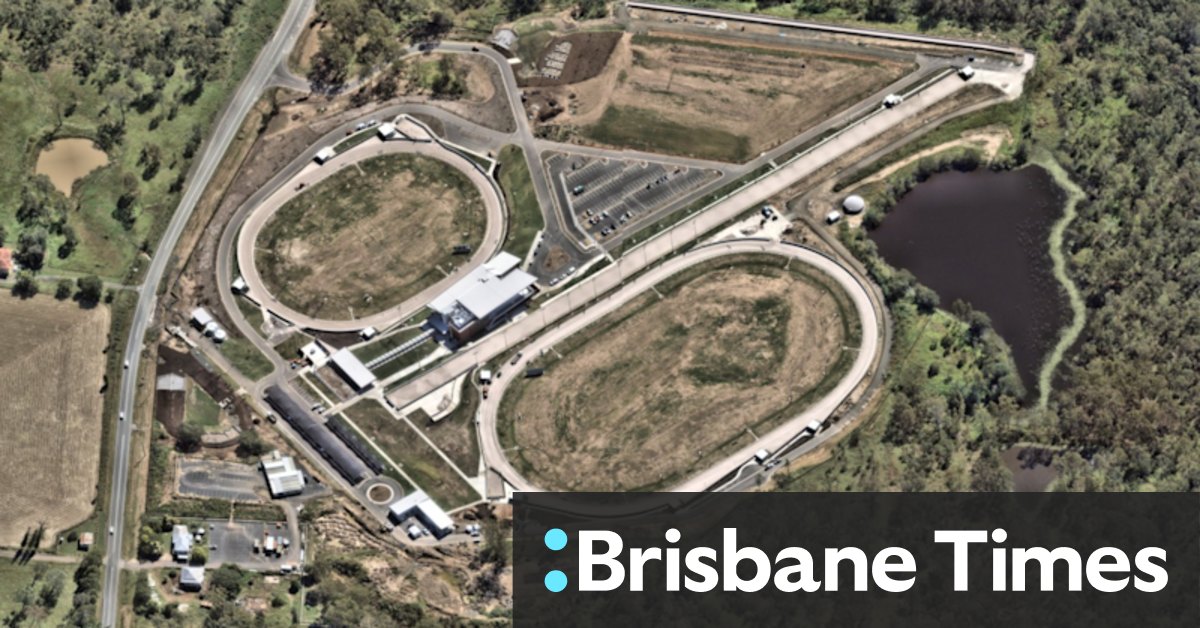
The stability of the sand profile at the greyhound racing tracks was found to be influenced by moisture content, particularly when saturation levels reached 25 to 30 per cent. Despite these challenges, the tracks were constructed according to the design specifications. In 2019, the Labor government announced plans to build a new racing facility in Purga, consolidating existing facilities in Brisbane and Ipswich. The decision was made to meet higher animal welfare standards with input from experts like Professor David Eager from the University of Technology Sydney.
Recommendations from SPORTENG included automating drainage valves, increasing the number of drainage outlets, replacing geofabric on all three tracks, improving moisture testing and monitoring, and developing a comprehensive maintenance manual for track preparation and upkeep. While the tracks were built as per design, the type of geofabric specified in the designs was not specified. Racing Minister Tim Mander confirmed that all recommendations would be implemented by the relevant racing authorities.
The review conducted by former deputy racing integrity commissioner Mark Ainsworth attributed track suitability issues during the cancelled Brisbane Cup to overwatering on the day of the event. The president of the CPG, Amy MacMahon, criticized both major political parties for the greyhound deaths at The Q, emphasizing the need for immediate closure of the facility. The LNP and Labor were both held accountable for the mismanagement and financial waste at The Q, with calls for prioritizing greyhound welfare over gambling company profits.
In conclusion, the greyhound racing tracks' stability was affected by moisture content, leading to recommendations for track improvements and maintenance. The government's commitment to upholding animal welfare standards and addressing track issues is crucial for the future of greyhound racing in Queensland.