Unpacking Beyoncé's Buffalo Soldiers T-Shirt Controversy: Revisiting American History and Representation
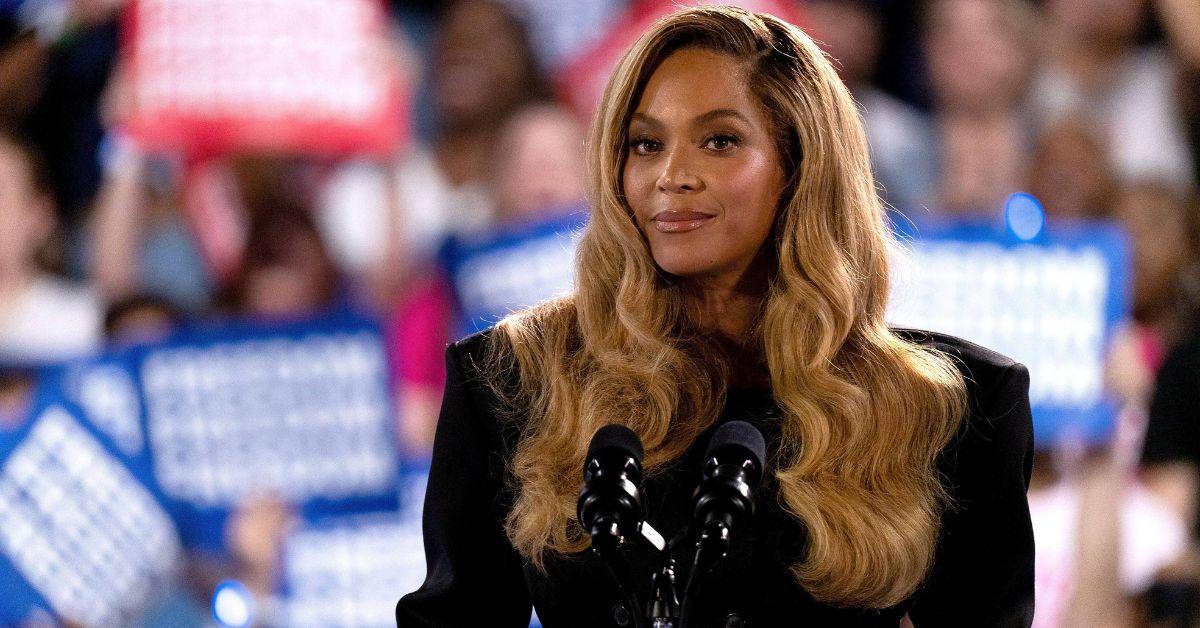
Beyoncé sparked controversy during her Cowboy Carter tour in Paris by wearing a Buffalo Soldiers T-shirt, which has stirred a debate about American history. The shirt's description on the back portrays the Buffalo Soldiers as heroes fighting against various adversaries, including Indigenous peoples and Mexican revolutionaries. This depiction has drawn criticism from Indigenous influencers and fans who argue that it misrepresents Native Americans and Mexican revolutionaries as aggressors rather than victims of American imperialism.
The Buffalo Soldiers were African American troops formed in 1866 who served in the U.S. Army's western frontier. Comprised of formerly enslaved men, freemen, and Black Civil War soldiers, they participated in conflicts such as the Spanish-American War and both World Wars until their disbandment in 1951. Despite some viewing the term "Buffalo Soldiers" as a tribute from Native tribes recognizing their bravery, the historical narrative surrounding their role in subjugating Indigenous peoples has been subject to recent scrutiny.
Cale Carter, director of exhibitions at the Buffalo Soldiers National Museum, acknowledges the evolving perspective on the Buffalo Soldiers' involvement in the westward expansion. He notes that the museum aims to present a more nuanced view of their actions, challenging the romanticized portrayal of the Western frontier. Michelle Tovar, the museum's director of education, emphasizes the importance of engaging with the truth about American history, particularly in light of current restrictions on teaching this history in schools.
Beyoncé's album Act II: Cowboy Carter explores American iconography and the Black ownership of the American West. While Beyoncé's use of Western imagery may be intended to assert Black agency in history, historians like Tad Stoermer caution that it also perpetuates nationalistic myths. Alaina E. Roberts, an expert on Black and Native American history, points out the complexities of the Buffalo Soldiers' legacy, highlighting their involvement in both the settlement of the West and acts of violence against Indigenous peoples.
The controversy surrounding Beyoncé's T-shirt has prompted Indigenous figures and critics to raise concerns about its language and historical implications. Calls for Beyoncé to acknowledge or apologize for the shirt have circulated on social media, with critics like Chisom Okorafor emphasizing the need for honesty about the Buffalo Soldiers' actions. Okorafor argues that Beyoncé's use of Western imagery may inadvertently perpetuate harmful narratives about American history, overlooking the experiences of Indigenous peoples and immigrants.
In conclusion, Beyoncé's choice to wear a Buffalo Soldiers T-shirt during her tour has sparked a contentious debate about American history and the portrayal of historical figures. The controversy surrounding the shirt highlights the ongoing discussions about the complexities of American history, particularly in relation to marginalized communities and their experiences.