Navigating the Balance of Performance: The Challenge of Endurance Racing Regulations
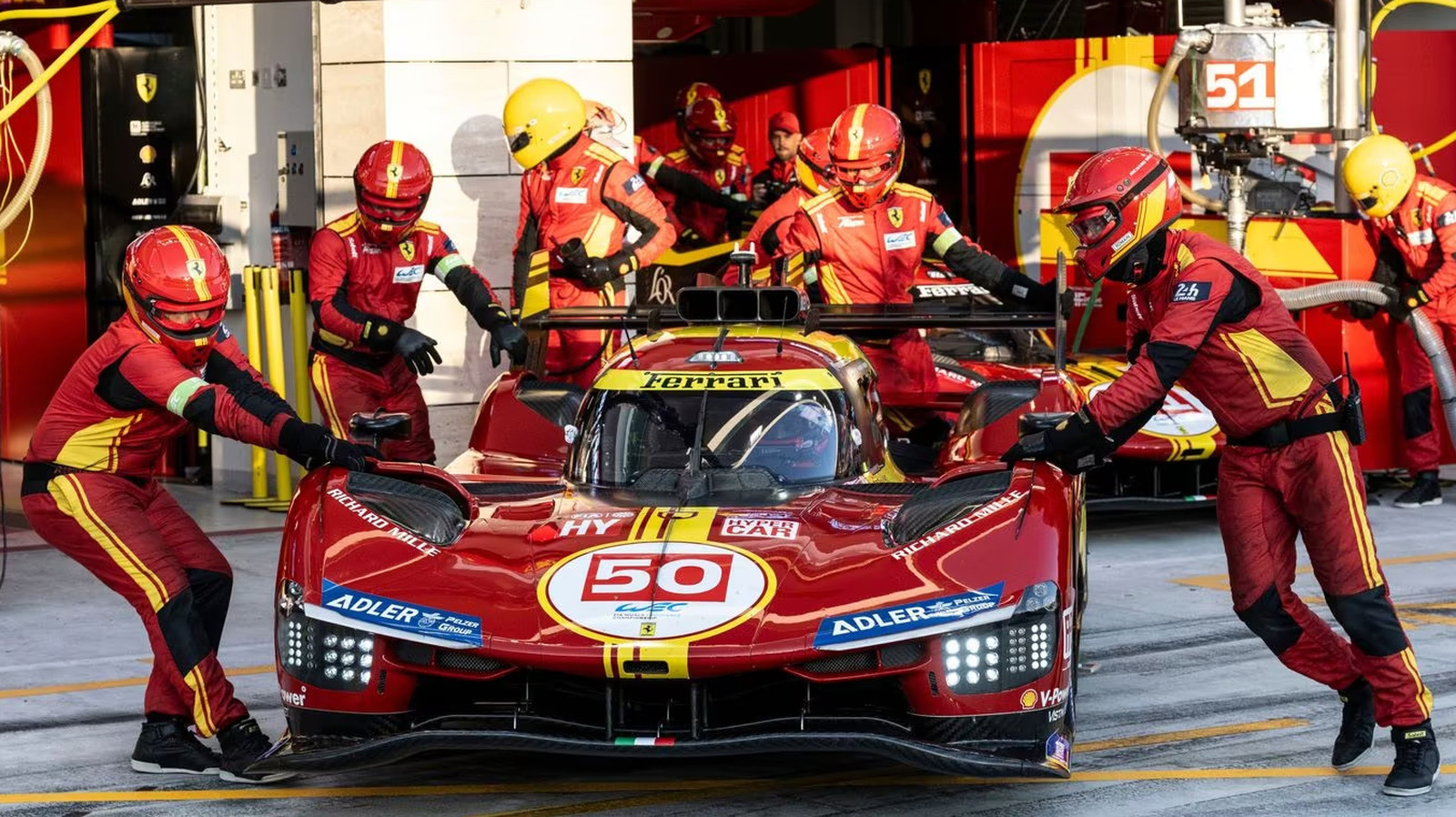
Endurance racing is a grueling test of skill and stamina in the world of motorsports. Events like the 24 Hours of Le Mans push teams to their limits, with cars racing day and night to cover thousands of kilometers at high speeds. The top Hypercar class is particularly challenging, with strict regulations like the Balance of Performance (BoP) rules set by the FIA to ensure fair competition among different cars.
Toto Wolff, the Principal and CEO of the Mercedes-AMG Petronas F1 Team, recently expressed his reservations about Mercedes entering the hypercar racing scene due to disagreements with the FIA's BoP rules. These rules aim to equalize the performance of cars by adjusting factors like weight, power levels, air restrictors, and boost ratios. However, Wolff believes that the BoP penalizes teams that have worked hard to gain a competitive edge on the track, making winning endurance races even more challenging.
The FIA's circuit sport director, Marek Nawarecki, has acknowledged that the BoP rules can slow down innovation and increase the cost of competing in endurance racing. The WEC's goal in updating its rules for hypercars in 2024 was to ensure that hybrid and non-hybrid cars have similar performance levels. The WEC uses homologation parameters, power train evaluations, and manufacturer's compensation to create a performance window for each race and adjust the BoP accordingly.
The WEC has specific BoP formats for different races, including the 24 Hours of Le Mans, to prevent manufacturers from manipulating their cars' performance. The International Motor Sports Association also has its own Balance of Performance standards, which were recently revised to equalize performance between cars with different engine types and power trains. These adjustments aim to maintain fair competition and prevent any single car from gaining an unfair advantage on the track.
In conclusion, endurance racing is a demanding sport that requires teams to navigate complex regulations like the Balance of Performance rules set by the FIA and other governing bodies. While these rules aim to ensure fair competition and equalize performance among different cars, they can also pose challenges for teams looking to innovate and gain a competitive edge on the track.