Norman Lear's TV Universe: Pioneering Social Commentary and Representation in Television History
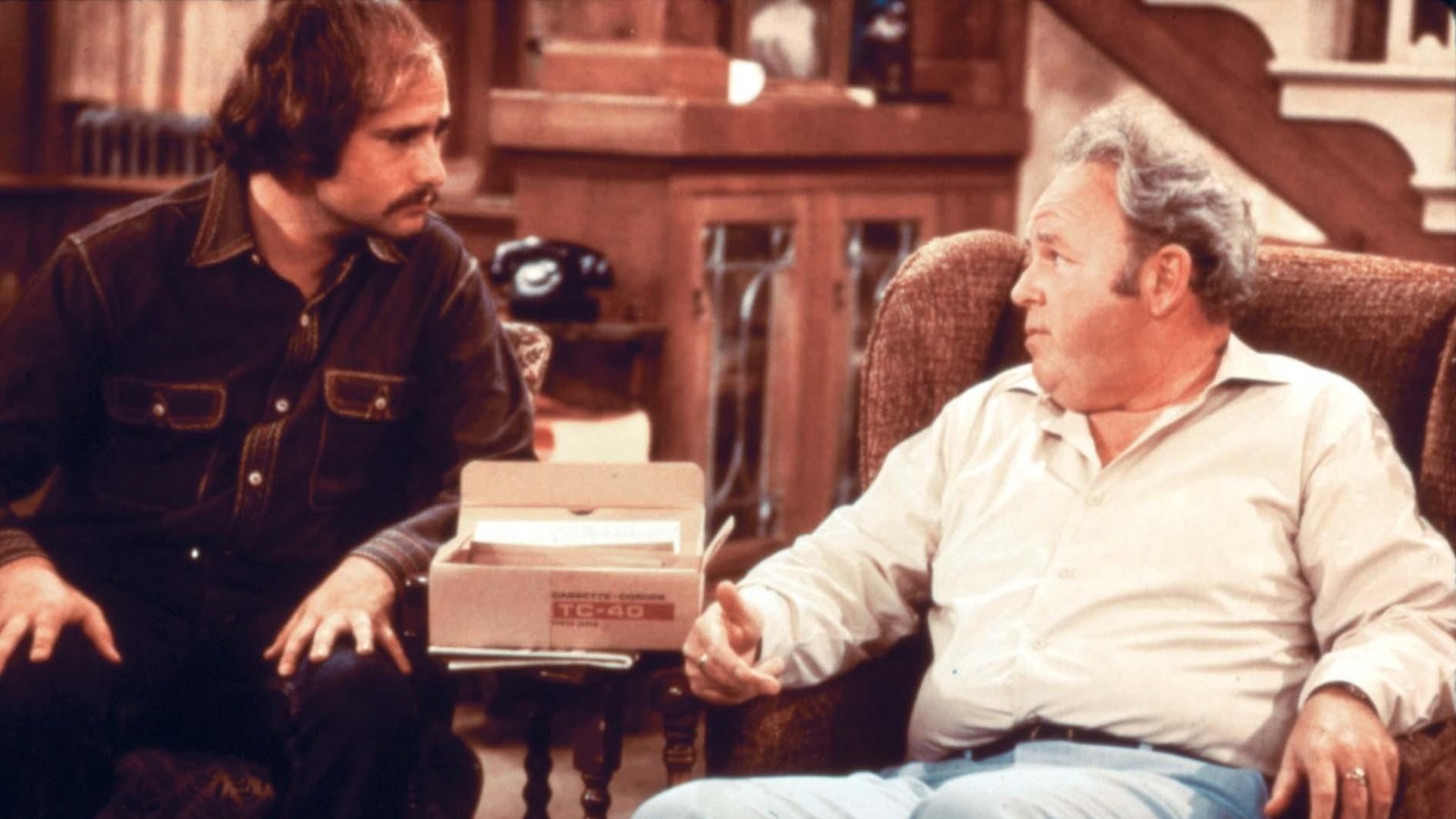
Norman Lear, a television powerhouse of the 1970s and 1980s, paved the way for showrunners like Shonda Rhimes by creating a universe of shows that tackled political and social issues. His most famous series, "All in the Family," featured Carroll O'Connor as Archie Bunker, a character at odds with the changing world. The spin-offs from this series changed TV history by improving representation of marginalized groups and sparking critical thinking about politics.
"704 Hauser," a spin-off set in the Bunker family's old house, starred John Amos as a new patriarch, Ernie Cumberbatch. However, the show felt out-of-place in the '90s TV landscape and was canceled after just five episodes. Similarly, "Checking In," a spin-off of "The Jeffersons," was short-lived despite Marla Gibbs reprising her role as Florence in a new context as a hotel manager.
"Gloria," a spin-off following the Bunker family's daughter post-divorce, lacked the charisma needed to carry the comedic aspect of the show. "Archie Bunker's Place," another spin-off, showcased the character's evolution in a New York tavern setting, reflecting a broader worldview and maintaining the comedic social dynamics.
"Good Times," a groundbreaking series in Black television history, depicted a strong nuclear family unit in the Chicago projects. While initially balancing harrowing and hilarious tones, the focus on the character J.J. led to criticism and departures from the show. Despite this, "Good Times" remains iconic in television history.
"Maude," starring Bea Arthur as Edith Bunker's liberal cousin, was groundbreaking for its portrayal of a pro-feminism, pro-civil rights woman in the 1970s. The show tackled politics and social issues with a liberal perspective, showcasing excellent writing and cast delivery. "The Jeffersons," featuring George Jefferson, had more attitude than "All in the Family" and addressed race issues from a Black perspective.
In conclusion, Norman Lear's universe of shows, including "All in the Family" and its spin-offs, left a lasting impact on TV history by addressing sociopolitical issues and challenging viewers to think critically about the world around them. Each show in the universe contributed to the evolution of television storytelling and representation, cementing Lear's legacy as a trailblazer in the industry.