Gallop Through History: Firbeck's Sculpture Garden Commemorating the St Leger Stakes
A village with historical significance in the St Leger Stakes horse race is planning to create a sculpture garden to commemorate its connection to the prestigious event. The St Leger Stakes, established in Doncaster in 1776, is one of the UK's oldest and most renowned horse races. Lt Col Anthony St Leger, the race's founder who resided in Firbeck, Rotherham, is the inspiration behind the proposed sculpture garden. The garden, featuring two steel racehorses, is planned to be located on a grass verge off Kidd Lane in Firbeck.
The proposed design for the sculpture garden depicts the steel racehorses galloping past a stone wall towards a field known as Long Close, where folklore suggests informal races organized by St Leger himself once took place. Currently, Firbeck's connection to the St Leger Stakes is acknowledged through a blue plaque and village sign. However, the supporters of the new sculpture garden hope that it will provide a more visible and lasting tribute to the village's historical involvement in horse racing.
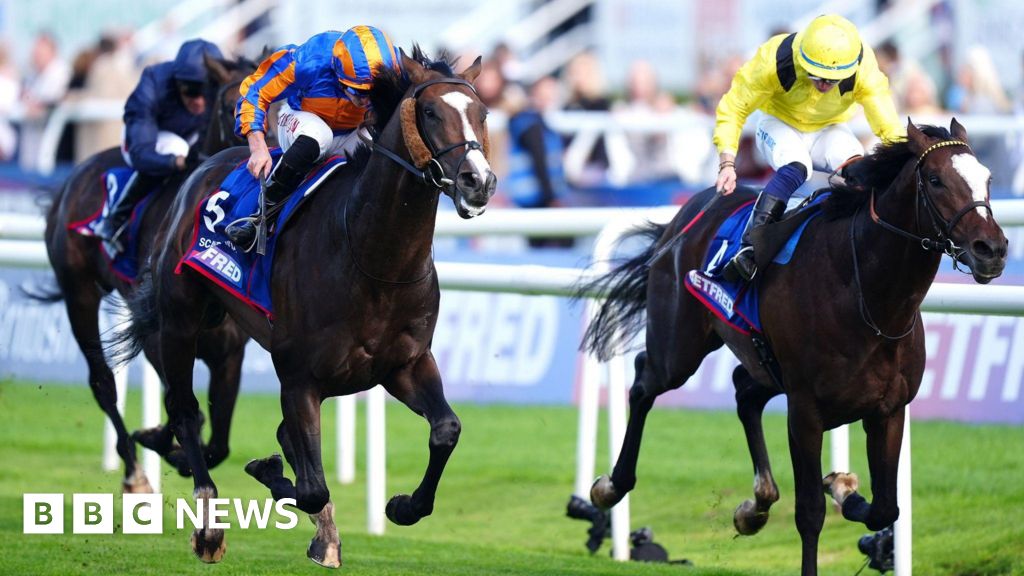
The St Leger Stakes, known as the oldest of the five British classic races, is an annual event held at Doncaster Racecourse. The racecourse's track covers a distance of one mile, six furlongs, and 115 yards (2,921m). The proposed sculpture garden in Firbeck aims to celebrate the village's unique place in the history of the St Leger Stakes and honor Lt Col Anthony St Leger's legacy in the world of horse racing.
In conclusion, the proposed sculpture garden in Firbeck, Rotherham, is a fitting tribute to the village's historical significance in the St Leger Stakes horse race. By featuring two steel racehorses in a dynamic design, the garden will serve as a visible reminder of Firbeck's connection to the prestigious racing event and Lt Col Anthony St Leger's contribution to the sport. The garden's location near the site of informal races organized by St Leger adds a touch of folklore and historical charm to the project, making it a meaningful addition to the village's heritage.