Self-Deportation: Fidel Rivera's Sacrifice for Family and Security
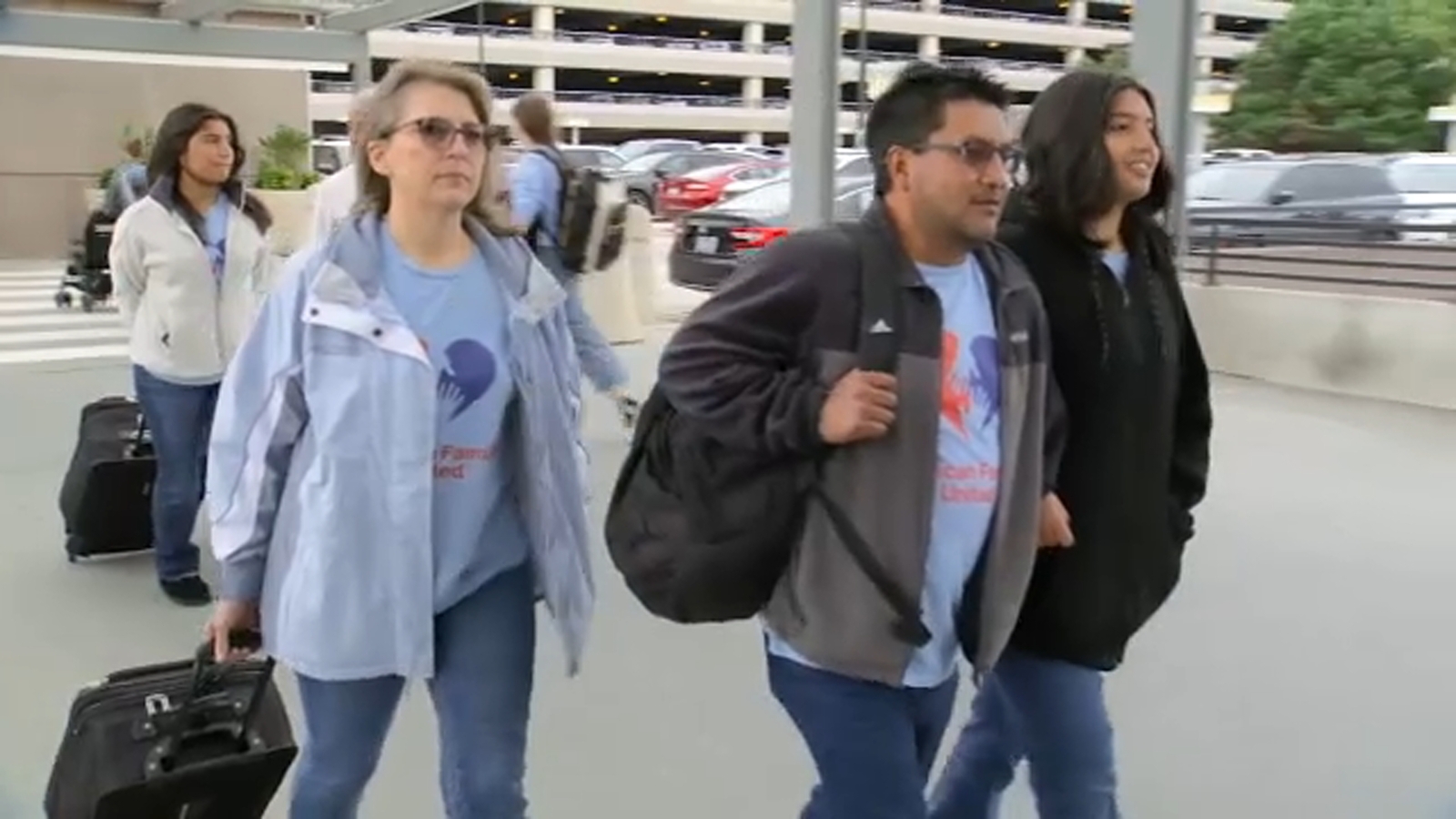
Fidel Rivera, a long-time resident of Raleigh, North Carolina, made the difficult decision to self-deport to Mexico to protect his family from the threat of arrest and deportation under the Trump administration's immigration policies. Rivera, who has been in the U.S. for 30 years without legal status, left behind his U.S. citizen wife and two daughters to seek peace and security for them. The family spent a bittersweet weekend together before Rivera's departure, engaging in everyday activities like playing board games and attending a soccer game.
Rivera's story is just one example of the increasing number of individuals choosing to self-deport out of fear of being detained by immigration authorities. The Trump administration's aggressive enforcement measures have heightened the risks for undocumented immigrants, with nearly 60,000 people currently held in Immigration and Customs Enforcement (ICE) detention centers. Shockingly, almost half of these detainees have no criminal record and are detained solely for immigration violations.
Despite being married to a U.S. citizen and having two daughters who are also citizens, Rivera is unable to adjust his legal status due to his initial unauthorized entry into the country. His wife, Jennifer, a math teacher, expressed her concerns about the escalating immigration enforcement actions that have led to the detention of non-criminal individuals. Rivera, who worked as an electrician and in construction, met Jennifer while salsa dancing and they have two high school-aged daughters, Isabella and Mackenzie.
The Rivera family's decision to separate reflects a broader trend of self-deportation among undocumented individuals facing the threat of arrest. The Department of Homeland Security reports that 1.6 million people have chosen to self-deport in response to the administration's crackdown on immigration. The administration has actively encouraged voluntary departures as a sign of the effectiveness of its policies, despite the devastating impact on families like the Riveras.
After relocating to Mexico, Rivera shared his struggles with being away from his family and adjusting to a new life. He emphasized his contributions to the U.S. through his work, tax payments, and commitment to his family. Rivera's inability to visit his family in the U.S. or apply for any U.S. status for a decade underscores the harsh realities faced by undocumented individuals under the current immigration policies.
In conclusion, Fidel Rivera's story highlights the personal sacrifices and challenges faced by undocumented immigrants in the U.S. as they navigate the complex and unforgiving immigration system. The decision to self-deport in order to protect loved ones from the threat of arrest reflects the harsh realities of living without legal status in a country they have called home for decades.