Stalemate in Washington: The Ongoing Government Shutdown and Political Implications
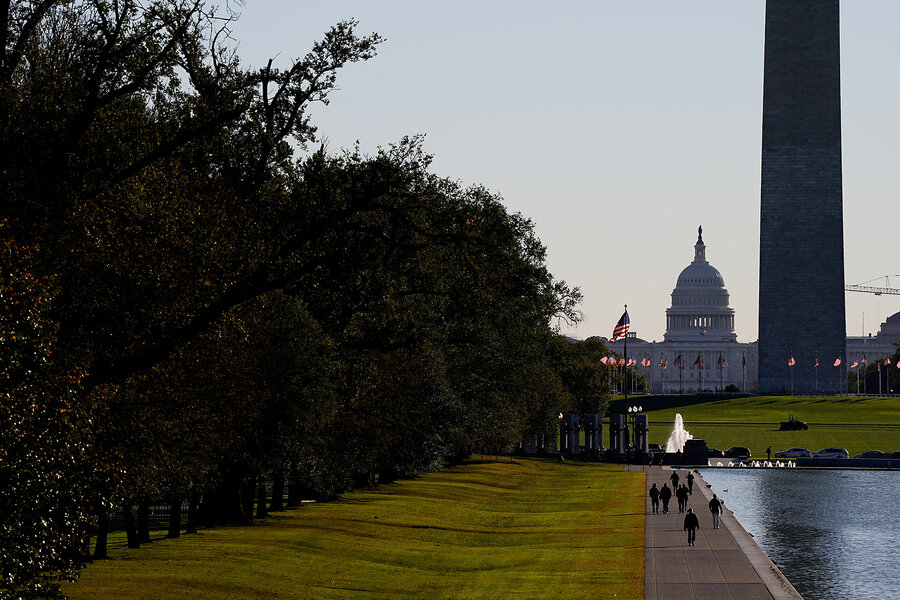
The federal government shutdown in Washington has entered its fourth week with no resolution in sight. Senate Democrats are adamant about including an extension of expiring tax credits in any government funding bill to address rising health insurance costs. Republicans are standing firm, refusing to negotiate until the shutdown ends. President Donald Trump's administration is intensifying pressure on Democratic lawmakers. The shutdown, now on its 20th day, is the second-longest in U.S. history, with speculation that it could surpass the record of 35 days set in 2018-2019.
Public sentiment is divided on who is to blame for the shutdown, with 58% of Americans holding President Trump and congressional Republicans responsible, while 54% blame Democrats. The shutdown has not significantly impacted voter preferences for the upcoming midterm elections, with Democrats maintaining a slight lead in polls. The lack of progress in negotiations is prolonging the shutdown, with both parties feeling confident in their positions.
The current shutdown has received less media attention compared to previous ones, as other major news stories have dominated headlines. However, the longer the shutdown persists, the more severe its impact will be on various government programs. Concerns are rising about the potential consequences of the shutdown on programs like Head Start and the upcoming open enrollment for health insurance, which could lead to significant premium increases for individuals.
The political implications of the shutdown may become more apparent during statewide elections in Virginia and New Jersey, as well as the Thanksgiving holiday travel period. The Trump administration is strategically targeting Democratic programs and districts to maximize the shutdown's impact on Democratic voters and lawmakers. Despite efforts to minimize the effects on Republican-leaning areas, the shutdown continues to disrupt government operations and create uncertainty for federal workers and programs.
Efforts to break the deadlock in negotiations have been unsuccessful, with both sides unwilling to compromise under current conditions. The House has been in recess, and bipartisan proposals for a one-year extension of health care subsidies have been dismissed by congressional leaders. Senate Majority Leader John Thune suggested a potential compromise, but Democrats rejected it, emphasizing the need for a deal that benefits the American people. The ongoing stalemate underscores the political tensions and challenges surrounding the government shutdown in Washington.