Exploring Fender's Evolution: The Complex Legacy of the CBS Era
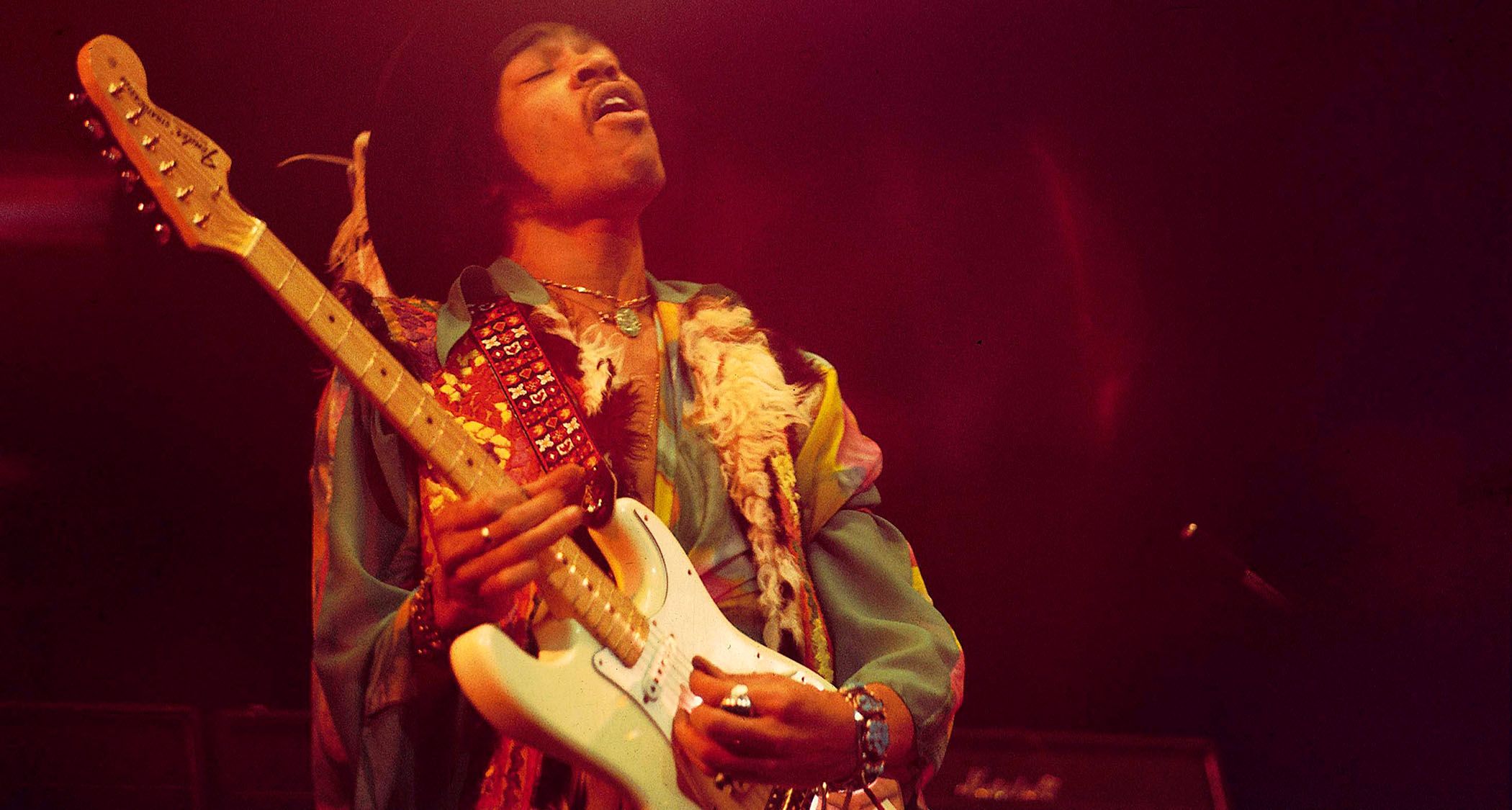
Fender's history during the CBS era is often oversimplified as a decline in quality due to corporate ownership, but the reality is more complex. In the mid-1960s, Fender was a thriving company, producing a wide range of guitars, amps, and other musical instruments. The company's success caught the attention of CBS, which acquired Fender in 1965 for a record $13 million.
The acquisition by CBS marked a significant shift for Fender, as the corporate giant brought a new focus on high-volume production and efficiency to the company. While some changes were made to streamline operations and increase output, there were also concerns about a decline in quality. Some longtime employees noted that the guitars didn't play or feel the same as before, and quality control issues began to surface.
Despite these challenges, CBS maintained that they were committed to maintaining quality standards at Fender. The company saw significant growth in sales and profits in the years following the acquisition, but there were also internal struggles as the corporate structure clashed with the traditional craftsmanship ethos of Fender's original team.
Over time, changes in production methods and design choices became apparent in Fender's lineup. New models like the Electric XII and Thinline Telecaster were introduced, featuring design elements influenced by the changing industry trends. The introduction of new finishes and features reflected the evolving tastes of guitar players in the late 1960s.
Despite the changes brought about by the CBS era, Fender's guitars continued to be popular among musicians and consumers. While some vintage enthusiasts may prefer pre-CBS instruments for their perceived quality, many late-60s Fenders are now recognized for their unique characteristics and playability. The debate over vintage versus modern instruments continues to this day, with personal preference playing a significant role in shaping opinions.
Ultimately, the legacy of Fender's CBS era is a complex mix of innovation, challenges, and changes that shaped the company's trajectory in the music industry. The guitars produced during this time reflect a transitional period in Fender's history, marked by both continuity and evolution in response to shifting market demands and corporate ownership.