The White House Ballroom Project: Controversy Surrounding Demolition and Lack of Transparency
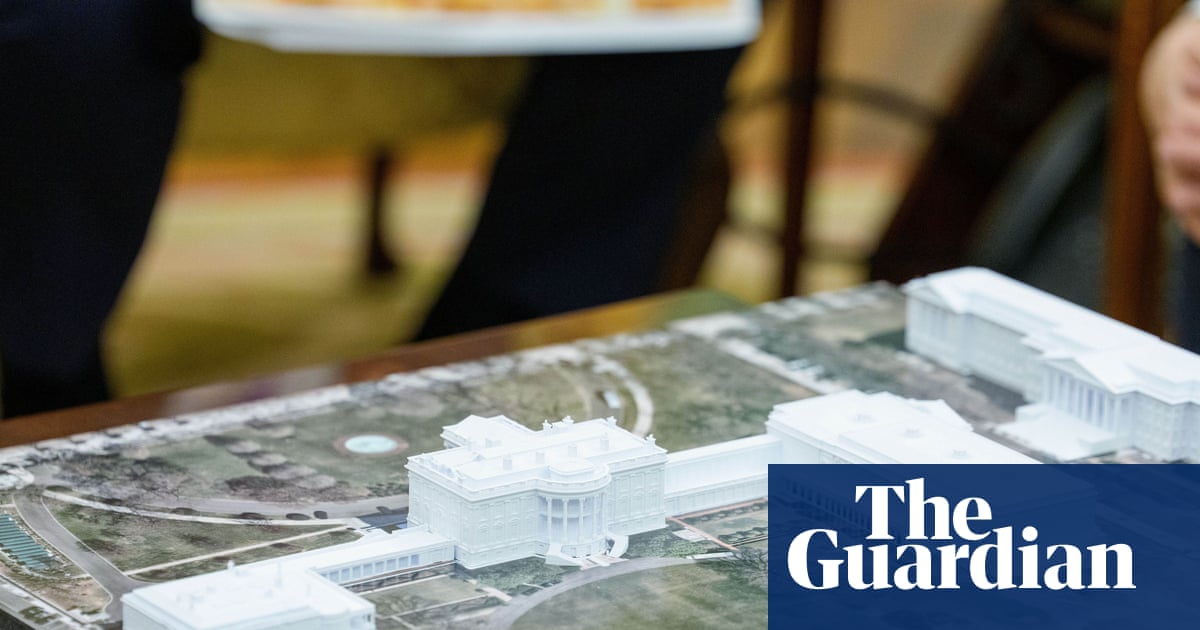
The White House has announced that several major companies from the tech, defense, and crypto industries are contributing to the funding of Donald Trump's $300 million ballroom project at the White House. Companies like Apple, Amazon, Meta, Microsoft, and Google, along with defense contractors like Booz Allen Hamilton, Lockheed Martin, and Palantir, are among the donors. Additionally, prominent Trump supporters who were significant donors to his campaign, such as Miriam Adelson, Stephen Schwarzman, Harold Hamm, and the Winklevoss twins, are also involved in the project.
Some of the donors were recently invited to a White House dinner to celebrate their contributions to the ballroom project. Trump expressed his gratitude to the donors during the dinner, emphasizing the historical significance of their contributions. He mentioned that the ballroom project is entirely funded by him and his associates, with the initial cost estimate increasing from $200 million to $300 million.
Despite initial plans not mentioning any demolition, work has already begun to demolish the entire East Wing of the White House. Trump justified the demolition by stating that the East Wing was considered insignificant and needed to be taken down to properly execute the new ballroom project. However, critics have raised concerns about the lack of transparency surrounding the demolition and the new ballroom construction.
House Democrats have criticized the demolition and lack of transparency, calling it one of the most significant alterations to the White House in modern history. They highlighted the secrecy surrounding the project and the absence of public disclosure or consultation. The National Capital Planning Commission, responsible for overseeing federal building construction, is currently closed due to the government shutdown, further complicating the situation.
The White House has stated its intention to submit construction plans to the commission but argued that approval for demolition was not required. The National Trust for Historic Preservation has emphasized the legal obligation for the White House to undergo a public review process with the commission. The controversy surrounding the demolition and construction of the new ballroom continues to raise questions about transparency and preservation of historic buildings.
In conclusion, the involvement of major companies and prominent donors in funding Donald Trump's $300 million ballroom project at the White House has sparked controversy over the demolition of the East Wing and the lack of transparency surrounding the construction. The project's scale and impact on the historic White House have raised concerns among critics and House Democrats, highlighting the need for public consultation and adherence to preservation guidelines.