Revolutionizing Racing: The Role of Tear-Off Windshields in NASCAR and Beyond
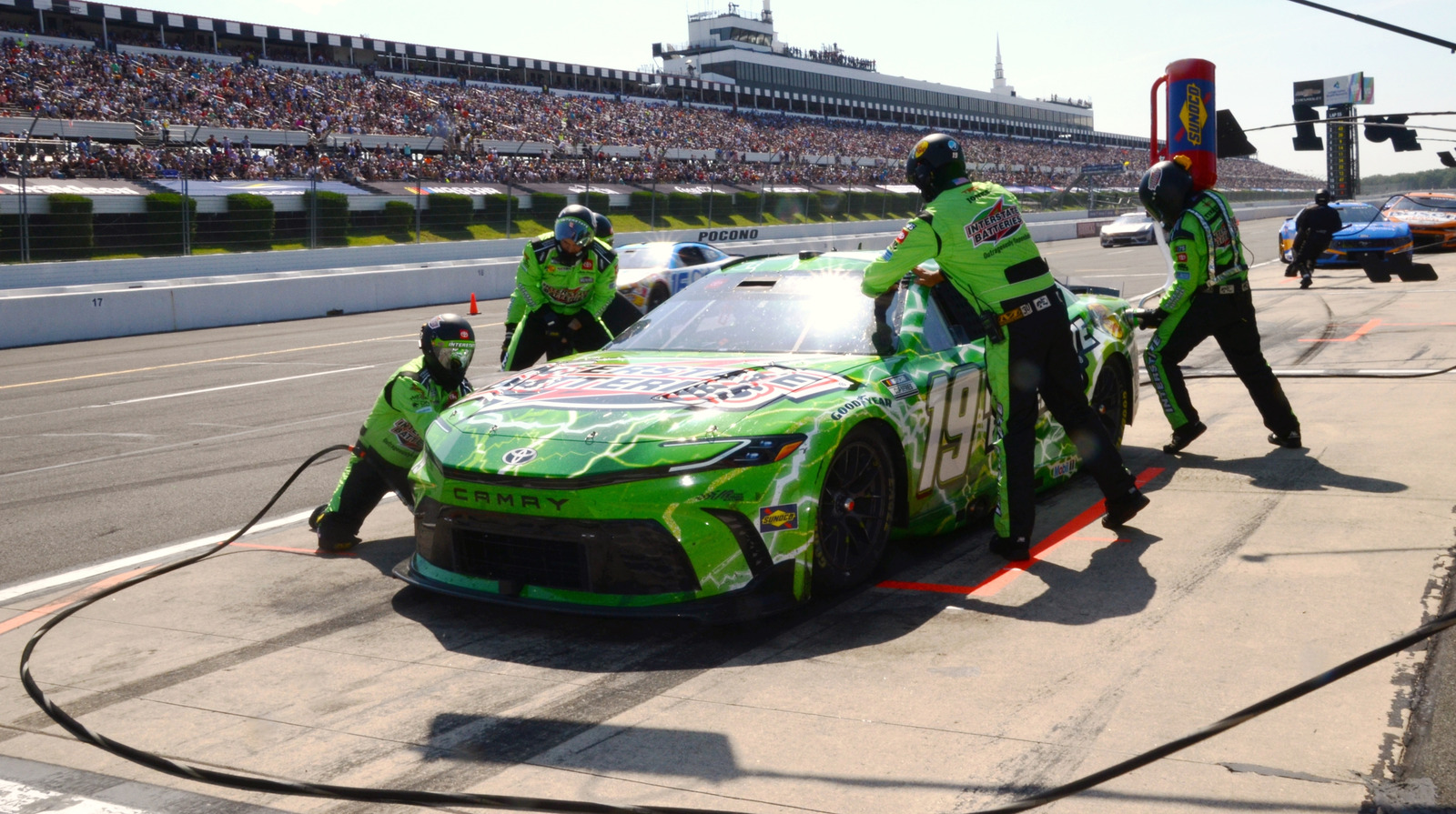
NASCAR pit crews have a unique task of removing tear-offs from the windshield of race cars during pit stops. This practice started in the 1990s when NASCAR switched to polycarbonate windshields, which are more durable but prone to scratches and chips. To maintain driver visibility and avoid changing windshields frequently, tear-offs made of scratch-resistant Mylar were introduced by Pro Tint in 1997. These tear-offs protect against dirt, oil, and UV radiation, adding strength to the windshield and ensuring easy removal without leaving residue. Each racecar typically has four to six tear-offs to maintain windshield clarity and visibility.
In open-wheel racing like F1, drivers use tear-offs on their helmet visors while navigating high-speed tracks. In contrast, NASCAR drivers benefit from their pit crews handling the tear-off removal during pit stops. Other racing series, such as IndyCar, also utilize tear-offs on their aeroscreens for safety, with each car using between eight and 12 tear-offs per race. Tear-off windshields are not exclusive to NASCAR and are commonly used in GT, touring, and prototype cars, including those in the prestigious Le Mans race. Some racing cars even have tear-offs on their headlights for added protection. Beyond racing, Mylar tear-offs have found applications in the military, particularly on helicopter windshields.
In conclusion, tear-off windshields play a crucial role in maintaining driver visibility and protecting windshields in various racing series, including NASCAR, IndyCar, and endurance races like Le Mans. The innovation of tear-offs has revolutionized pit stop procedures and enhanced safety measures for drivers in high-speed racing environments.