Antifa Designation as Foreign Terrorist Organization: Legal and Societal Implications
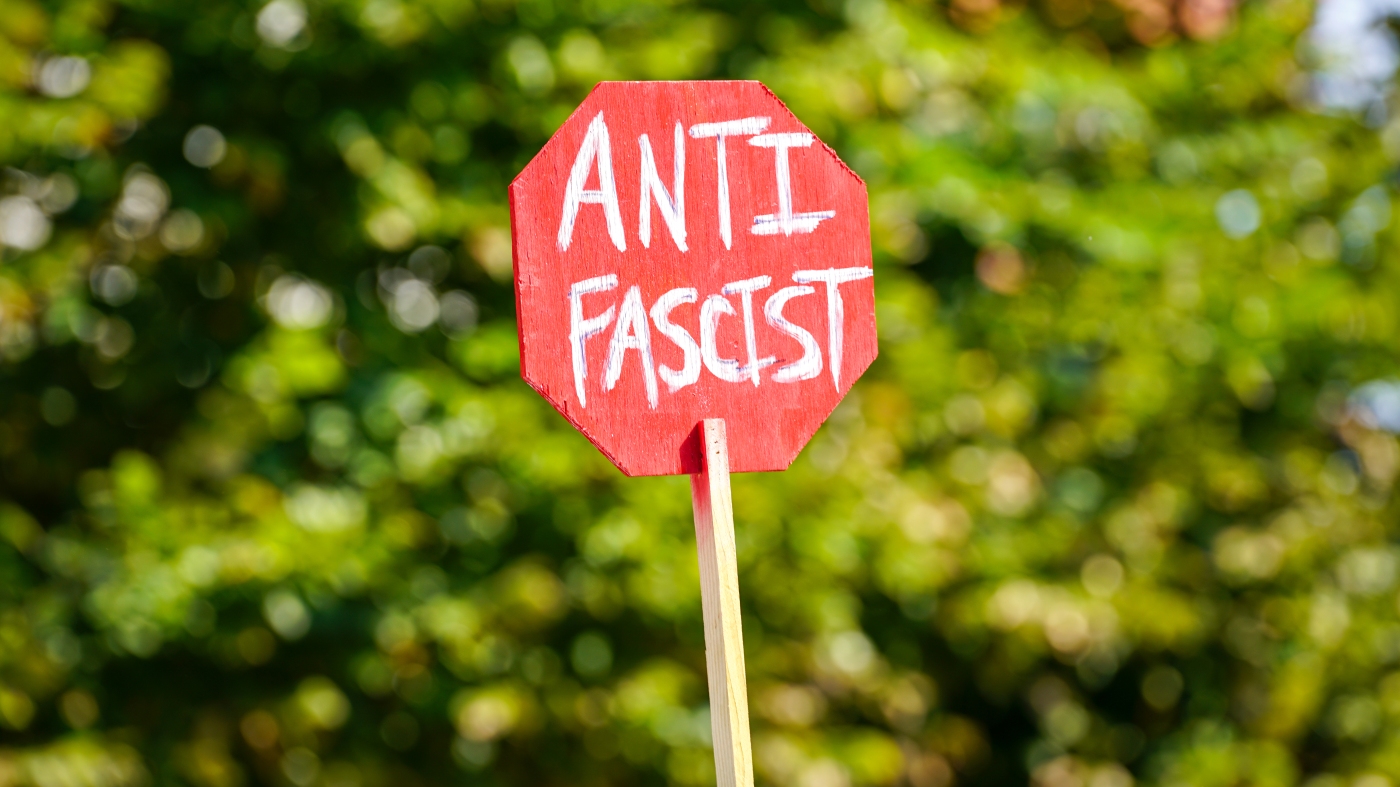
President Trump recently discussed the possibility of designating antifa as a foreign terrorist organization during a roundtable at the White House. While he has already labeled antifa a domestic terrorist organization through an executive order, the impact of this designation remains uncertain due to the lack of federal legal provisions for domestic terrorism groups. The State Department has the authority to designate foreign terrorist groups, which could have significant legal implications if applied to antifa.
During Trump's first term, he attributed violence in cities during social justice protests to far-left radicals and antifa. Despite efforts by the Justice Department to investigate antifa's funding network or leadership structure, no evidence was presented. The FBI director at the time clarified that antifa is an ideology rather than a group, although investigations into individuals identifying as antifa were ongoing.
Deputy White House Chief of Staff Stephen Miller suggested that the Democratic party is a domestic extremist organization and advocated for designating antifa as a foreign terrorist group. However, legal criteria for such a designation pose challenges, as antifa is not a formal organization but a movement of individuals united by an anti-fascist ideology. The lack of clear leadership or organizational structure complicates efforts to classify antifa as a foreign entity.
Despite these obstacles, the Trump administration could potentially push for the designation by leveraging statements from far-right allies in other countries. If antifa were designated a foreign terrorist organization, federal prosecutors could charge individuals with material support to a designated terrorist organization, carrying penalties of up to 20 years in prison. This could have far-reaching implications on social media, universities, and insurance firms, affecting public discourse and academic research.
The potential designation of antifa as a foreign terrorist organization by the Trump administration could lead to significant repercussions across various sectors. The legal and societal implications of such a move could impact public discourse, academic freedom, and organizational operations. The administration's consideration of this designation raises concerns about the broader consequences it may have on civil society and individual rights.