Navigating the 2022 ACA Open Enrollment: Understanding Premium Increases and Subsidy Changes
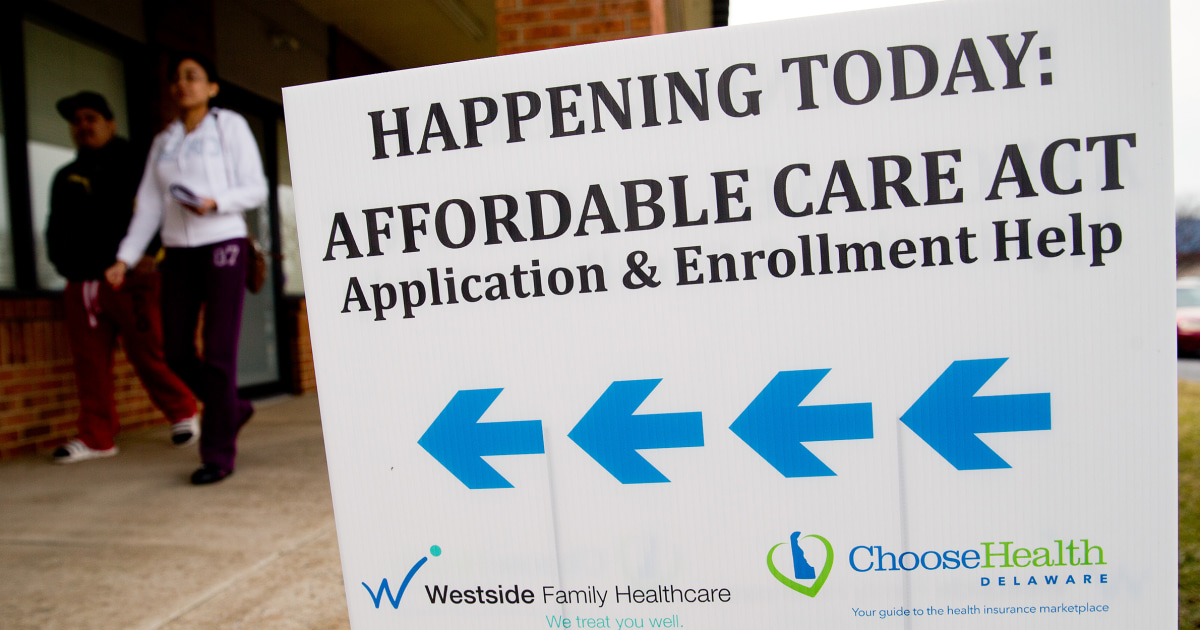
The upcoming open enrollment period for the Affordable Care Act (ACA) is expected to bring significant cost increases for millions of Americans who rely on the program for health insurance. With more than 24 million individuals enrolled in ACA plans, the combination of rising premiums and the expiration of enhanced subsidies will result in higher bills for many or force them to seek more affordable coverage options. This financial strain may lead some individuals to consider going without health insurance altogether, posing a challenging decision for their financial well-being.
Open enrollment for ACA coverage will run from November 1 to January 15 in most states, with a few exceptions for states like Idaho, Massachusetts, Virginia, California, New York, Rhode Island, and Washington, D.C., which have varying enrollment deadlines. To ensure coverage starting on January 1, individuals must enroll by December 15 in most states, with plans selected after this date taking effect on February 1. Previously, individuals with lower incomes could enroll in ACA coverage at any time, but this option has been discontinued, effective August 25, due to concerns about adverse selection by insurers.
The Trump administration's decision to revoke ACA coverage for DACA recipients, also known as Dreamers, further complicates the landscape of health insurance access. The main drivers of next year's premium increases are the anticipated expiration of enhanced ACA subsidies and higher rates from insurers. The enhanced subsidies, introduced in 2021, have helped middle-class Americans afford their monthly premiums, but their impending expiration has led to significant premium hikes. Insurers are also raising rates to offset rising healthcare costs and increased demand for medical services, resulting in average premium increases of 30% in states using HealthCare.gov and 17% in states with their own marketplaces.
The loss of enhanced subsidies coupled with premium hikes could lead to a substantial financial burden for ACA enrollees, with some individuals facing a 114% increase in premiums on average. Prior to 2021, only individuals earning up to 400% of the federal poverty level were eligible for ACA subsidies, but the enhanced subsidies expanded eligibility to many middle-class individuals. However, without the extension of these tax credits, millions of Americans may face higher premiums and reduced financial assistance, potentially leading to a significant drop in enrollment and an increase in the uninsured population.
As the ACA open enrollment period approaches, individuals are urged to carefully review their coverage options and consider the potential impact of premium increases and subsidy changes on their financial situation. Making informed decisions during this enrollment period is crucial to ensuring access to affordable healthcare coverage and managing the financial implications of the upcoming changes in ACA subsidies.