Leniency for Repeat Offenders: The Impact of Manhattan DA Alvin Bragg's Policies on Crime Prosecution in New York City
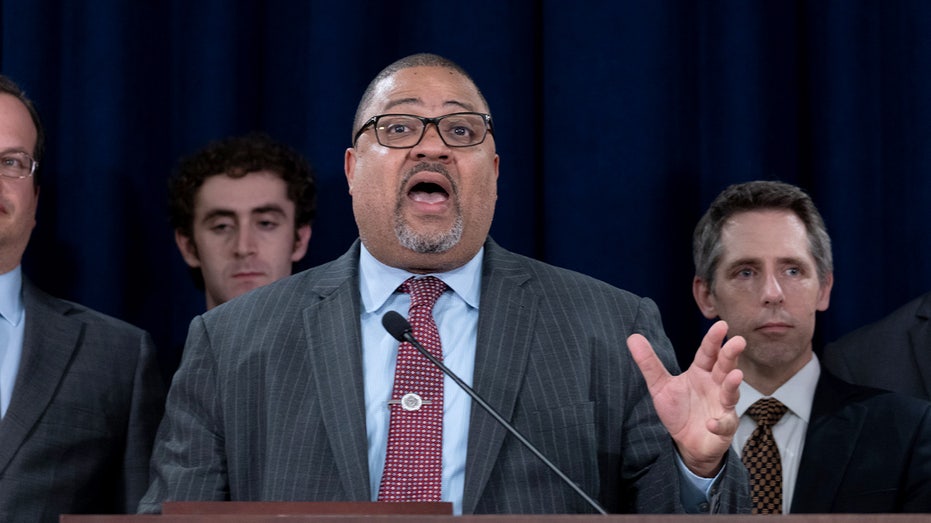
Repeat offenders in New York City are being given multiple chances to commit crimes, while Manhattan District Attorney Alvin Bragg focuses on prosecuting other cases. The leniency shown towards repeat offenders is attributed to Bragg's directive to reduce pretrial incarceration, resulting in a high percentage of felony cases being downgraded to misdemeanors.
One such repeat offender, Clive Porter, with over 50 prior arrests, was arrested for attacking multiple individuals in a single day, including pushing a man onto subway tracks. Despite his extensive criminal history, Porter was recommended for supervised release by Bragg's office due to the nature of the charges against him.
In another case, Jaia Cruz pleaded guilty to first-degree manslaughter in the fatal stabbing of a U.S. Postal Carrier. Cruz, known for a history of knife violence, received a reduced charge and a 15-year prison sentence as part of a plea deal from Bragg's office.
Similarly, Michael Wilson, a 91-time felon with over 230 arrests, was arrested multiple times for various offenses, including drug-related incidents. Despite his extensive criminal record, Wilson was not prosecuted by Bragg's office, raising concerns about the handling of repeat offenders in the city.
Harold Gooding, labeled as "recidivist No. 1" by Mayor Eric Adams, has over 134 prior arrests for various charges but has been repeatedly released on bail. Gooding's criminal activities continue due to the state's no-bail law, which limits the charges that are eligible for bail, allowing repeat offenders like Gooding to roam the streets freely.
The leniency shown towards repeat offenders in New York City has sparked criticism from law enforcement officials, highlighting the need for stricter measures to address the issue. The failure to hold repeat offenders accountable for their actions raises concerns about public safety and the effectiveness of the criminal justice system in dealing with persistent criminal behavior.