Protecting the Legacy: The Threat of AI-Generated Music Fraud in the Industry
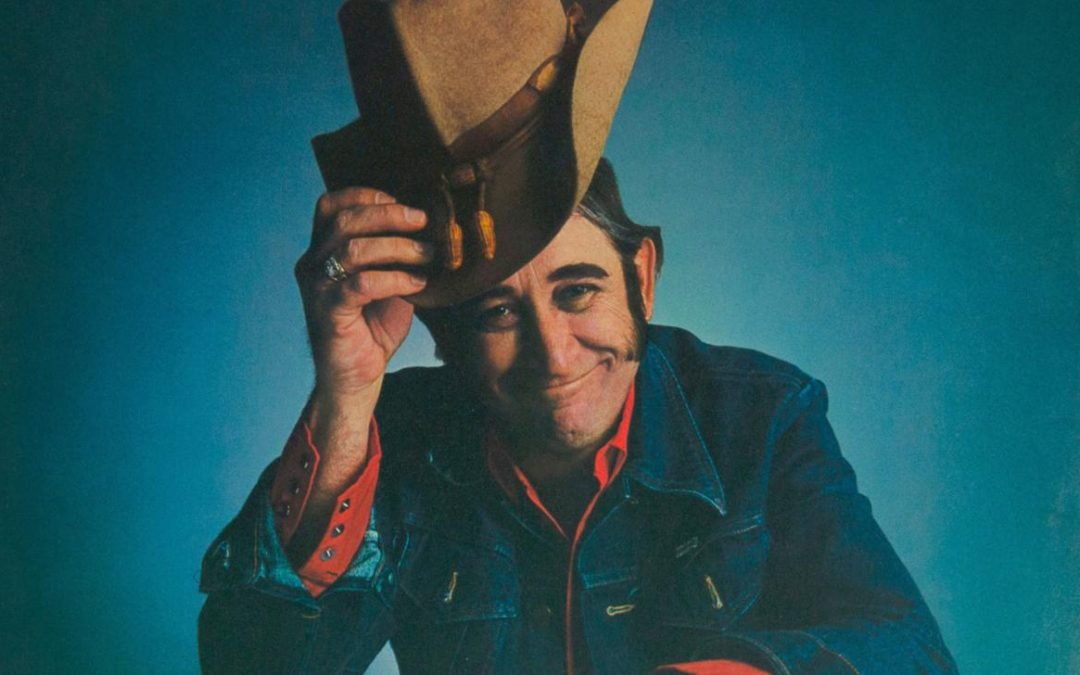
The passing of the beloved country music icon, Don Williams, in 2017 left a significant void in the hearts of fans and the music community. Known as the "Gentle Giant," Williams' music has been a source of comfort for many during difficult times. However, a recent incident involving the unauthorized use of his name to release fake AI-generated songs has sparked outrage among his loyal followers.
On November 1st, a fake album purportedly featuring Don Williams' songs under the name "God and the Horses" was released on various streaming platforms. Fans initially believed it to be a posthumous release of unreleased tracks, only to discover that the music was entirely fabricated. The album's AI-generated nature was evident from the identical song intros and the copyright attribution to an unknown individual named "GARY WAYNE MOORE."
Despite the outcry from fans, the fake album remains accessible on streaming services, highlighting the challenges posed by AI technology in the music industry. The incident raises concerns about the ease with which AI can be used to create and distribute music, bypassing traditional quality control measures.
The unauthorized release of fake music under Don Williams' name not only disrespects his legacy but also undermines the trust of music consumers. The prevalence of AI-generated content poses a threat to the authenticity of artists' work and risks misleading unsuspecting listeners, particularly older fans who may be more vulnerable to such deception.
The implications of this incident extend beyond Don Williams, as other artists, both living and deceased, are at risk of falling victim to similar fraudulent activities. The need for stricter regulations and enforcement to combat AI-generated music fraud is evident, as the current lack of oversight allows for such deceptive practices to thrive.
As the music industry grapples with the challenges posed by AI technology, independent artists like Cam Pierce, the Piedmont Boys, and others have faced repercussions, with their legitimate work being removed from streaming platforms due to false claims of AI-generated content. The proliferation of fake music threatens the livelihoods of genuine artists and erodes the integrity of the music ecosystem.
The rise of AI-generated music presents a growing concern for the industry, with the potential for further exploitation of artists' identities and creative output. As technology advances, the need for robust safeguards to protect artists' intellectual property and prevent fraudulent activities becomes increasingly urgent.
In light of these developments, it is essential for streaming services and regulatory authorities to address the issue of AI-generated music fraud and take decisive action to safeguard the integrity of the music industry. The unauthorized use of artists' identities and the dissemination of fake music must be met with stringent measures to uphold the principles of artistic integrity and protect the rights of creators.